Gardening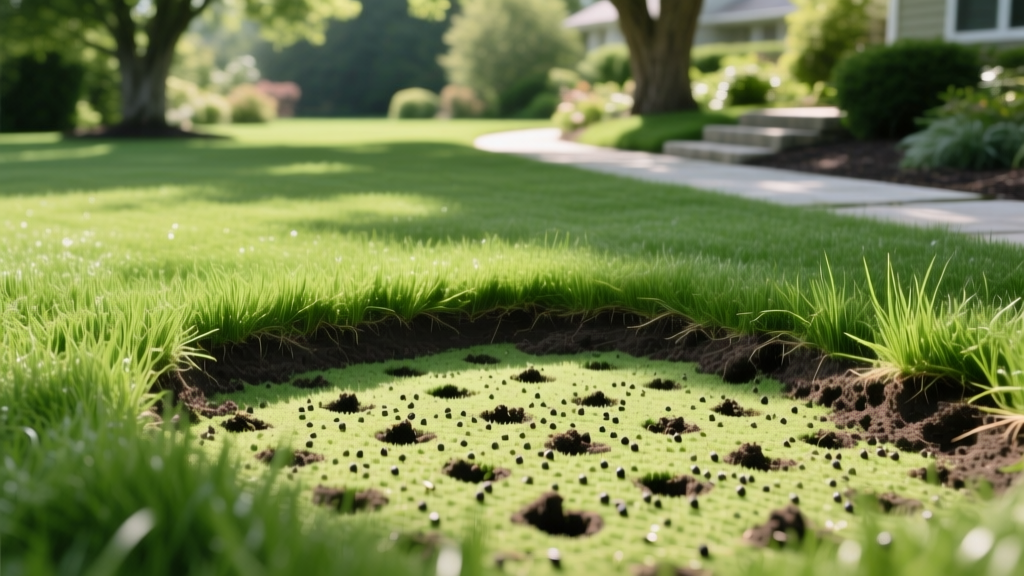
Core Aeration and Overseeding Techniques for Cool-Season Lawns
Robert HayesPublished
The Foundation of a Thriving Garden Landscape
When we think of gardening, our minds often drift to vibrant vegetable patches, meticulously pruned rose bushes, and overflowing container gardens. However, the lawn serves as the foundational canvas of your outdoor space. A thin, compacted, and weed-riddled lawn can detract from the beauty of your surrounding garden beds. To achieve a truly cohesive and lush landscape, mastering core aeration and overseeding techniques is essential. These practices not only rejuvenate tired turf but also improve the overall soil ecology and drainage of your entire property.
Understanding Soil Compaction and Thatch
Over time, foot traffic, heavy mowing equipment, and natural settling cause soil particles to compress. This compaction restricts the flow of oxygen, water, and essential nutrients to the root zone. According to turfgrass researchers at NC State University TurfFiles, compacted soils force grass roots to remain shallow, making the lawn highly susceptible to drought stress, disease, and invasive weeds. Furthermore, compacted lawn areas often lead to poor water infiltration, causing runoff that can wash away valuable topsoil and mulch from your adjacent vegetable and flower beds.
Thatch—a layer of living and dead organic matter that accumulates between the green tissue and the soil surface—can also become problematic. While a thin layer of thatch (under half an inch) provides insulation, a thick layer prevents water and fertilizer from reaching the soil. Core aeration is the most effective mechanical solution to combat both compaction and excessive thatch buildup.
Core Aeration vs. Spike Aeration
Homeowners often confuse spike aeration with core aeration. Spike aerators simply poke holes into the ground using solid tines. While this provides temporary relief for minor surface compaction, it actually exacerbates deeper compaction by pressing the surrounding soil tighter together.
Core aeration, on the other hand, uses hollow tines to extract cylindrical plugs of soil (typically 2 to 3 inches deep and 0.5 to 0.75 inches in diameter) from the lawn. This process physically relieves compaction, creates channels for air and water, and brings beneficial soil microorganisms to the surface to help break down thatch. The University of Minnesota Extension strongly recommends core aeration over spiking for long-term turf and soil health.
Equipment Selection: Renting vs. Buying
When it comes to equipment, not all aerators are created equal. The small, manual pitchfork-style aerators or the inexpensive spike attachments that strap to your shoes are largely ineffective for serious lawn renovation. For the best results, rent a heavy, gas-powered walk-behind core aerator (often branded as Ryan or Lesco) from a local equipment rental yard. These machines use the weight of the engine to drive the hollow tines deeply into the soil. If you have a large property and own a riding tractor, you can rent a tow-behind core aerator, but you must fill the weight tray with concrete blocks or water to ensure the tines penetrate deeply enough to pull actual cores.
Optimal Timing for Aeration and Overseeding
Timing is the most critical variable in the success of your aeration and overseeding efforts. The ideal window depends entirely on the type of grass you are growing:
- Cool-Season Grasses (Kentucky Bluegrass, Tall Fescue, Perennial Ryegrass): The absolute best time to aerate and overseed is in early fall (late August through September). Soil temperatures are still warm enough to encourage rapid seed germination, while cooler air temperatures and increased autumn rainfall reduce heat stress on young seedlings. Spring aeration is possible but often leads to fierce competition from summer annual weeds like crabgrass.
- Warm-Season Grasses (Bermudagrass, Zoysiagrass, Centipedegrass): These grasses should be aerated in late spring to early summer (May through June), just as they enter their peak active growth phase. Note that warm-season lawns are rarely overseeded with the same species; instead, they are sometimes overseeded with perennial ryegrass in the fall for winter color, but core aeration should strictly happen during the warm months.
Step-by-Step Aeration and Overseeding Process
Step 1: Mowing and Site Preparation
Before operating a core aerator, mow your lawn slightly lower than your usual maintenance height (around 1.5 to 2 inches). This allows the aerator tines to penetrate the soil more effectively and ensures that the broadcasted grass seed will make direct contact with the soil rather than getting lost in tall grass blades. Rake away any heavy debris, fallen leaves, or large sticks. Mark any shallow irrigation heads or invisible dog fences with small flags to avoid damaging them.
Step 2: The Core Aeration Technique
For severely compacted areas, or lawns that have never been aerated, make two passes with the core aerator. The first pass should be in one direction, and the second pass should be perpendicular (a crisscross pattern). Aim to pull 20 to 40 cores per square foot. Pro Tip: Leave the extracted soil plugs on the lawn. They will break down naturally over the next few weeks, depositing beneficial microbes back onto the surface and aiding in thatch decomposition.
Step 3: Topdressing with Garden Compost
This is where lawn care beautifully intersects with general gardening. After aerating, apply a thin layer (about 1/4 inch) of finely screened, mature compost over the lawn. This topdressing fills the aeration holes with rich organic matter, improves soil structure, and provides a perfect, nutrient-dense seedbed for your new grass. If you maintain a home composting system, this is an excellent way to utilize your finished compost across the broader landscape.
Step 4: Overseeding Application Rates
Selecting the right seed and applying it at the correct rate is vital. Overcrowding seeds leads to weak, spindly grass that dies off quickly, while under-seeding leaves bare patches vulnerable to weeds. Use a rotary or drop spreader to apply the seed evenly, splitting your application into two perpendicular passes for uniform coverage.
Seed Selection and Application Chart
| Grass Type | Overseeding Rate (per 1,000 sq ft) | Best Companion Gardens | Germination Time |
|---|---|---|---|
| Tall Fescue (Turf-Type) | 6 to 8 lbs | Shade gardens, deep-rooted perennials | 7 - 14 days |
| Kentucky Bluegrass | 2 to 3 lbs | Sunny borders, rose gardens | 14 - 28 days |
| Perennial Ryegrass | 5 to 7 lbs | High-traffic pathways, vegetable bed borders | 5 - 10 days |
| Fine Fescue Blend | 4 to 5 lbs | Woodland gardens, low-maintenance areas | 7 - 14 days |
Post-Overseeding Care: Watering and Germination
Once the seed is down, moisture management becomes your primary daily task. Grass seed must remain consistently moist to germinate. You will need to water the lawn lightly two to three times a day for the first two to three weeks. The goal is to keep the top half-inch of soil damp without creating puddles that might wash the seeds away or drown them.
As the seedlings emerge and grow to about an inch tall, gradually reduce the frequency of watering but increase the duration. This encourages the new roots to grow deep into the aeration holes, establishing a drought-tolerant root system. Avoid using broadleaf herbicides or weed-and-feed products until the new grass has been mowed at least three times.
Common Mistakes to Avoid
- Aerating Soggy Soil: If the soil is too wet, the aerator tines will smear the soil rather than pull clean cores, creating a muddy mess and worsening compaction. Wait a day or two after heavy rain for the soil to dry slightly.
- Ignoring Pre-Emergent Timing: If you apply a pre-emergent crabgrass preventer in the spring, it will also prevent your grass seed from germinating. You must choose between weed prevention and overseeding; you cannot do both simultaneously in most cases.
- Starving the Seed: While you shouldn't use heavy synthetic nitrogen immediately after seeding, applying a high-phosphorus "starter fertilizer" is highly recommended to promote rapid root development in the new seedlings.
Integrating Lawn Health with Overall Garden Soil Ecology
A healthy, deeply rooted lawn does more than just look attractive; it acts as a massive bio-filter for your garden. According to the USDA Natural Resources Conservation Service, maintaining dense, living root systems in the soil prevents erosion, sequesters carbon, and supports complex mycorrhizal fungal networks. By aerating and overseeding your lawn, you are preventing nutrient runoff from entering your vegetable beds and local waterways. Furthermore, the organic matter introduced during topdressing feeds earthworms and beneficial nematodes, which naturally migrate between your lawn and garden beds, improving soil tilth everywhere they travel.
"A lawn is not merely a carpet of green; it is a living, breathing ecosystem that interacts directly with the soil health of your entire property. Treating your turf with the same horticultural respect as your vegetable garden yields a more resilient landscape."
Conclusion
Mastering aeration and overseeding techniques transforms a struggling, patchy yard into a vibrant, resilient landscape that complements your flower and vegetable gardens. By relieving soil compaction, introducing rich compost topdressing, and selecting the appropriate seed rates, you build a robust root system capable of withstanding environmental stress. Commit to an annual or bi-annual aeration schedule, and your lawn will serve as the perfect, lush foundation for all your gardening endeavors.