Gardening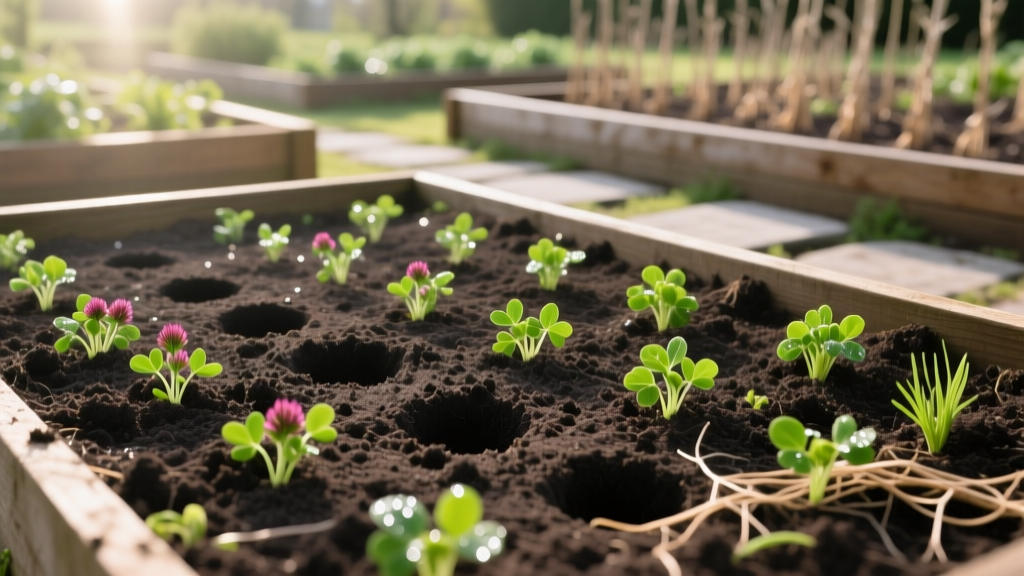
The Ultimate Guide to Garden Bed Aeration and Overseeding
Emily WatsonPublished
When most people hear the terms 'aeration' and 'overseeding,' they immediately think of turfgrass lawn care. However, these two vital soil management techniques are equally transformative for vegetable and flower garden beds. While lawns require aeration to combat surface thatch and foot traffic, garden beds require aeration to maintain deep soil structure, protect delicate mycorrhizal fungal networks, and prepare the earth for intensive seasonal planting. Similarly, overseeding in a garden context does not mean planting more vegetables on top of existing ones; rather, it refers to the strategic sowing of cover crops (often called green manure) into recently harvested or fallow beds to protect and enrich the soil.
Why Garden Beds Suffer from Compaction
Soil compaction is the silent killer of garden productivity. Unlike expansive turf lawns, vegetable and flower garden beds are often subjected to intense cultivation, heavy compost additions, frequent watering, and the inevitable foot traffic of the gardener leaning in to weed or harvest. Over time, the air pockets between soil particles collapse. This lack of pore space restricts oxygen flow to plant roots, impedes water infiltration, and creates a hostile environment for the beneficial soil microbes that break down organic matter into plant-available nutrients.
Aerating your garden beds restores this vital porosity. By physically opening the soil without aggressively turning it over (which can destroy soil structure and bring dormant weed seeds to the surface), you allow water, air, and nutrients to penetrate deep into the root zone. This is especially critical in raised beds, where the confined space and heavy organic inputs can lead to surprising layers of subsurface compaction over a few growing seasons.
Choosing the Right Aeration Tools
Selecting the proper tool for garden bed aeration is crucial. You want to fracture the soil deeply without inverting it. Here is a comparison of the most common tools used by home gardeners and market growers:
| Tool | Best For | Depth | Soil Impact | Estimated Cost |
|---|---|---|---|---|
| Broadfork | Deep aeration, preserving soil layers | 8 to 12 inches | Fractures soil, minimal microbial disruption | $100 - $150 |
| Spading Fork | Smaller raised beds, tight spaces | 4 to 8 inches | Moderate fracturing, requires more bending | $30 - $50 |
| Rotary Tiller | Breaking new, heavily compacted ground | 4 to 6 inches | Highly destructive to soil structure and fungi | $300+ |
For established garden beds, the broadfork is the undisputed champion. It allows you to use your body weight to drive long tines deep into the earth and gently lift the soil to crack it open, all while leaving the vital topsoil ecosystem largely undisturbed.
Step-by-Step Garden Bed Aeration
1. Test Soil Moisture: Never aerate soil that is soaking wet or bone dry. Wet soil will clump and compact further when pressed, while dry soil makes driving tines nearly impossible. Grab a handful of soil and squeeze it; it should hold its shape but easily shatter when you poke it with your finger.
2. Clear the Surface: Remove any thick layers of mulch, old plant debris, or heavy weed growth. You can compost this material or use it to start a new pile.
3. The Broadfork Technique: Stand at one end of your garden bed. Drive the tines of the broadfork straight down into the soil using your foot and body weight. Pull the handles back toward you just enough to crack the soil open—do not flip the soil over. Step back about 8 to 10 inches and repeat the process until you have covered the entire bed.
The Concept of Overseeding in Garden Beds
In the gardening world, overseeding refers to the practice of sowing cover crops into an active or recently harvested bed. According to the Sustainable Agriculture Research and Education (SARE) program, cover crops are essential for suppressing weeds, preventing soil erosion, and fixing atmospheric nitrogen. By overseeding your garden beds in the late summer or early fall, you ensure that the soil is never left bare during the off-season. The roots of these cover crops act as a biological broadfork, naturally aerating the soil from the inside out while the foliage protects the surface from heavy winter rains and snow.
Top Cover Crops for Garden Overseeding
Choosing the right seed depends on your climate zone, your primary soil issue, and your goals for the following spring. The Rodale Institute heavily advocates for diverse cover crop mixes to maximize soil biology. Here are the top choices for home gardeners:
- Crimson Clover: A fast-growing legume that fixes nitrogen and produces stunning red blooms that attract early-season pollinators. It is relatively easy to terminate in the spring. Seed rate: 0.5 lbs per 1,000 sq ft.
- Winter Rye: The heavyweight champion of biomass production and weed suppression. It survives freezing temperatures and creates a massive root system that breaks up heavy clay. Seed rate: 2 to 3 lbs per 1,000 sq ft.
- Hairy Vetch: Often paired with winter rye, this cold-hardy legume provides incredible nitrogen fixation and creates a thick, vining mat that chokes out early spring weeds. Seed rate: 1 to 2 lbs per 1,000 sq ft.
- Daikon Radish (Tillage Radish): Known for its massive taproots that drill deep into compacted subsoil. When the radishes die off in freezing temperatures, they leave large, decaying holes that naturally aerate the bed and release nutrients. Seed rate: 0.25 lbs per 1,000 sq ft.
Step-by-Step Overseeding Technique
1. Prepare the Seedbed: After aerating your garden bed with a broadfork, lightly rake the surface to create a fine, crumbly seedbed. If you are overseeding into an existing crop (like planting clover beneath growing tomatoes), simply scratch the top inch of soil gently.
2. Inoculate Legume Seeds: If you are planting clover or vetch, coat the seeds with a specific rhizobium inoculant powder before sowing. This ensures the bacteria required for nitrogen fixation are present in your soil.
3. Broadcast and Rake: Scatter the seeds evenly across the bed according to the recommended seed rates. Use a leaf rake or a specialized landscaping rake to lightly incorporate the seeds into the top 1/4 to 1/2 inch of soil. Most cover crop seeds require light to germinate and will fail if buried too deeply.
4. Water Thoroughly: Keep the top layer of soil consistently moist until germination occurs, which usually takes 7 to 14 days depending on soil temperature.
Terminating and Incorporating the Cover Crop
The final step in the aeration and overseeding cycle is terminating the cover crop before it goes to seed in the spring. As noted by the Old Farmer's Almanac, timing is critical; you want to kill the crop 3 to 4 weeks before you plan to plant your spring vegetables. This allows the plant matter to break down and release its stored nutrients into the soil food web.
For home gardeners, the most effective termination methods include:
- Crimping/Mowing: Use a string trimmer or a lawn mower set to its lowest setting to chop the cover crop down. Leave the clippings on the surface as a thick, weed-suppressing mulch.
- Occultation (Tarping): Lay a heavy, UV-treated silage tarp over the garden bed for 3 to 4 weeks. The lack of light and heat buildup will kill the cover crop and stimulate soil microbes to rapidly digest the organic matter, leaving you with a pristine, weed-free bed ready for transplants.
- Pulling (for Radishes): If your winter wasn't cold enough to kill tillage radishes, simply pull them out or chop them with a sharp spade before they flower.
'By combining deep mechanical aeration with the biological aeration of cover crop roots, gardeners can completely transform heavy, lifeless dirt into a rich, porous, and highly productive growing medium in just a single off-season.'
Conclusion
Integrating aeration and overseeding into your annual garden maintenance routine bridges the gap between basic gardening and advanced regenerative agriculture. By utilizing a broadfork to gently fracture compacted layers and overseeding with strategic cover crops, you protect your soil from erosion, naturally fertilize your beds, and build a resilient foundation for your vegetables and flowers. The time invested in these autumn and early spring tasks will pay massive dividends in the form of healthier plants, higher yields, and a drastically reduced need for synthetic fertilizers and herbicides in the seasons to come.