Gardening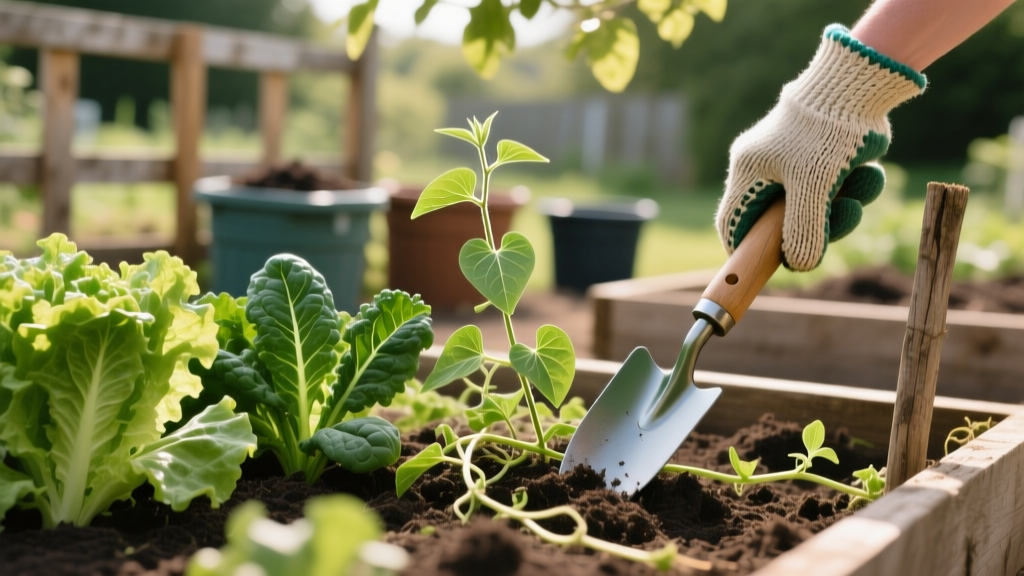
How to Identify and Eradicate Bindweed in Vegetable Gardens
Anna KowalskiPublished
The Botanical Vampire: Understanding Field Bindweed
Field bindweed (Convolvulus arvensis) is widely considered one of the most aggressive and frustrating weeds a vegetable gardener can face. Often mistaken for its ornamental cousin, the morning glory, field bindweed is a perennial botanical vampire that drains water, nutrients, and sunlight from your prized crops. In a raised bed or traditional vegetable garden, bindweed does not merely compete with your plants; it actively strangles them, wrapping tightly around tomato vines, pole beans, and pepper stems until the host plant is stunted or killed.
Eradicating this weed requires more than a quick pull. According to Colorado State University Extension, a single mature bindweed plant can produce a root system that extends up to 20 feet deep into the soil and spreads laterally over a 10-foot radius. This massive subterranean network stores carbohydrates, allowing the weed to resurface repeatedly even after the top growth is destroyed. To win the war against bindweed, gardeners must employ a strategic, multi-season approach combining mechanical, cultural, and targeted chemical controls.
Identification: Bindweed vs. Morning Glory
Before you can eradicate bindweed, you must accurately identify it. Because it belongs to the same family as ornamental morning glories, the two are frequently confused. However, there are distinct morphological differences that can help you spot bindweed early in the growing season.
- Leaves: Bindweed leaves are typically 1 to 2 inches long, shaped like arrowheads or small shields, with rounded lobes at the base. Morning glory leaves are usually larger, heart-shaped, and more pointed.
- Flowers: Bindweed produces small, trumpet-shaped flowers that are usually white or pale pink, measuring about 1 inch across. Morning glories boast much larger, vibrantly colored blooms (blue, purple, deep magenta) that can exceed 3 inches in diameter.
- Growth Habit: While both twine, bindweed stems are highly aggressive and will spiral tightly around any vertical support, including the stems of your vegetables. It also forms dense, tangled mats on the soil surface if left unsupported.
The Root of the Problem: Subterranean Biology
The true nightmare of field bindweed lies beneath the soil surface. The root system consists of deep vertical taproots and an extensive network of horizontal rhizomes. These roots are brittle and snap easily when pulled. Every tiny fragment of root left in the soil—sometimes as small as 2 inches long—contains enough stored energy and dormant buds to generate a brand-new plant.
Consistent depletion of the root system's carbohydrate reserves is the only way to achieve long-term bindweed control. Every time the weed expends energy to push new top growth, and that growth is removed or killed before it can photosynthesize, the root system weakens.
As noted by Penn State Extension, mechanical control alone, such as rototilling, is highly discouraged. Tilling chops the brittle roots into dozens of pieces, effectively planting a new bindweed weed in every square foot of your vegetable garden.
Mechanical and Cultural Control Strategies
For organic gardeners or those managing raised beds where chemical use is restricted, mechanical and cultural controls are your primary weapons. These methods require patience and consistency.
1. The Smothering Method (Solarization and Mulching)
If you have an empty garden bed or a section you can take out of production for a season, smothering is highly effective. Begin by cutting the bindweed down to the soil level. Cover the entire area with overlapping layers of heavy-duty cardboard, followed by a thick layer of organic mulch (wood chips or straw) at least 6 inches deep. For severe infestations, use 6-mil clear polyethylene plastic for soil solarization. Wet the soil thoroughly, lay the plastic tight against the soil surface, and bury the edges in a trench to trap the heat. Leave the plastic in place for 4 to 6 weeks during the peak heat of summer (July and August). The trapped solar energy will cook the shallow roots and deplete the deeper reserves.
2. Exhaustion by Defoliation
If the bindweed is growing among active crops, you cannot smother it. Instead, you must exhaust it. Inspect your garden every 3 to 4 days. The moment a bindweed shoot breaks the soil surface or wraps around a crop, snip it off at the soil line with a pair of sharp pruning shears. Do not pull it, as pulling disturbs crop roots and leaves root fragments behind. By repeatedly removing the top growth before it develops leaves large enough to photosynthesize, you force the root to expend stored carbohydrates until it starves. This process typically takes two to three full growing seasons of relentless vigilance.
Targeted Chemical Control: The 'Glove Method'
When cultural methods are insufficient, targeted chemical application can accelerate the eradication process. Because bindweed often grows intimately intertwined with vegetable crops, spraying a non-selective systemic herbicide like glyphosate (e.g., Roundup Pro 41%) is extremely risky. Drift or accidental contact will kill your tomatoes and peppers just as dead as the weed.
To solve this, professional landscapers and extension experts recommend the 'Glove Method' or the Paintbrush Technique.
- Preparation: Put on a pair of standard cotton gardening gloves, and then pull a pair of chemical-resistant nitrile gloves over them. Alternatively, use a small, disposable foam paintbrush.
- Mixing: Mix a 2% solution of glyphosate (approximately 2.5 ounces of 41% concentrate per gallon of water). Add a non-ionic surfactant to help the solution stick to the waxy bindweed leaves.
- Application: Dip your cotton-gloved hand or paintbrush into the solution. Gently grasp the bindweed vine and run your fingers or the brush up and down the leaves and stem. This paints the herbicide directly onto the weed without risking overspray on your vegetables.
- Timing: According to experts at the University of Minnesota Extension, systemic herbicides are most effective when applied in late summer or early fall (August to September). During this period, the plant is actively pulling carbohydrates down into its root system for winter storage, which carries the herbicide deep into the rhizomes where it is most lethal.
Comparison Chart: Bindweed Removal Methods
Choosing the right strategy depends on your budget, timeline, and gardening philosophy. Below is a comparison of the most effective removal methods.
| Control Method | Estimated Cost | Time to Eradication | Effectiveness | Best Application Scenario |
|---|---|---|---|---|
| Repeated Snipping (Defoliation) | $15 (Pruning Shears) | 2 to 3 Years | High (if consistent) | Active raised beds with established crops. |
| Soil Solarization (6-mil Plastic) | $30 - $50 (Plastic) | 4 to 6 Weeks | Very High (for shallow roots) | Empty beds during peak summer heat. |
| Heavy Cardboard & Mulch | $40 - $80 (Mulch) | 1 to 2 Years | Moderate to High | Pathways or beds resting for a season. |
| Targeted Glyphosate (Glove Method) | $25 - $40 (Herbicide + Gear) | 1 to 2 Seasons | Very High | Severe infestations, late summer/fall application. |
| Corn Gluten Meal (Pre-emergent) | $45 (40 lb bag) | Ongoing Prevention | Moderate (Seed only) | Preventing new seedlings in early spring. |
Prevention and Long-Term Garden Maintenance
Once you have achieved control, preventing a resurgence is critical. Bindweed seeds can remain viable in the soil seed bank for up to 50 years. Furthermore, new rhizome fragments can easily be introduced into your garden through contaminated topsoil, manure, or nursery transplants.
- Inspect Transplants: Before planting any nursery-bought tomatoes, peppers, or perennials, gently inspect the outer edges of the root ball. Look for the stark white, brittle, spaghetti-like roots of bindweed. If found, return the plant or carefully wash the roots bare to remove the weed.
- Use Clean Compost: Ensure your compost pile reaches temperatures of at least 140°F to kill weed seeds and rhizome fragments. If you are unsure of your composting temperatures, do not use it in areas where bindweed has been a historical problem.
- Maintain Dense Planting: Bindweed thrives in bare, sunlit soil. Utilize intensive planting methods, such as square-foot gardening, and maintain a 3-inch layer of organic mulch over all exposed soil to block the sunlight that bindweed seedlings require to establish.
Eradicating field bindweed from a vegetable garden is a test of endurance. By accurately identifying the weed early, refusing to rototill the roots, and employing targeted exhaustion or precise chemical applications, you can reclaim your soil and ensure your vegetable crops have the resources they need to thrive.