Gardening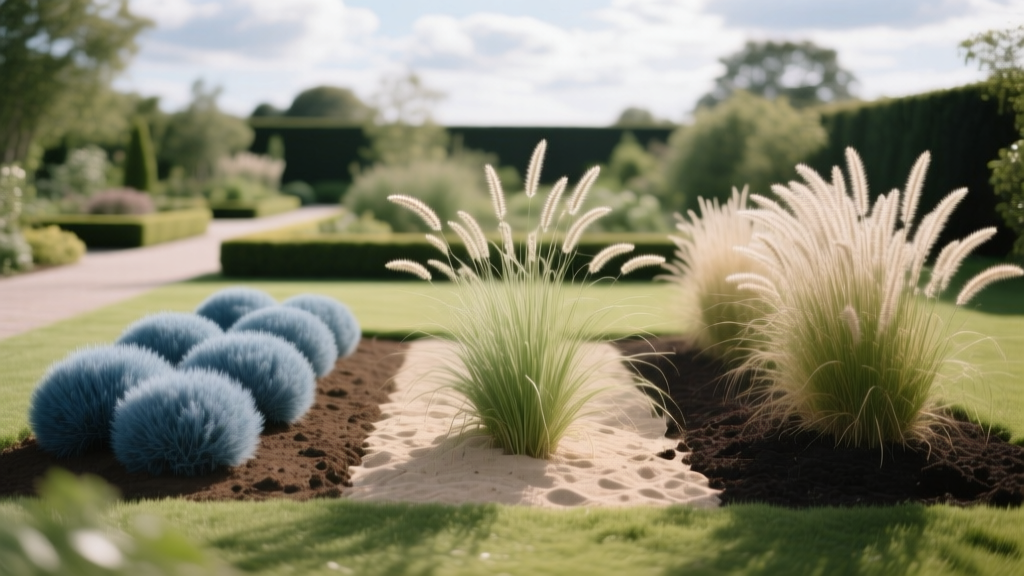
Best Ornamental Grasses for Clay, Sand, and Loam Soils
Mike RodriguezPublished
The Foundation of Garden Design: Matching Grasses to Soil Types
Ornamental grasses and grass-like groundcovers bring dynamic movement, texture, and year-round visual interest to garden beds, borders, and landscape pathways. However, the success of these plants relies heavily on matching the right species to your native soil conditions. While turfgrass is typically grown for uniform lawns, ornamental and border grasses in the garden serve diverse aesthetic and ecological roles. Planting a moisture-loving sedge in fast-draining sandy soil, or a drought-tolerant fescue in heavy, waterlogged clay, will lead to stunted growth, root rot, or eventual plant death. Understanding your soil texture and selecting grasses adapted to those specific conditions is the most critical step in sustainable garden design.
Before purchasing plants, conduct a basic soil texture test. The Clemson Home & Garden Information Center recommends the 'jar test' method: fill a mason jar halfway with garden soil, add water and a teaspoon of dish soap, shake vigorously, and let it settle for 24 hours. The bottom layer is sand, the middle is silt, and the top is clay. This ratio dictates your drainage capacity and nutrient retention, guiding your plant selection and soil amendment strategy.
Matching Grasses to Heavy Clay Soils
Clay soils are characterized by tightly packed particles that retain moisture and nutrients exceptionally well but suffer from poor drainage and severe compaction. In winter, clay can become waterlogged and freeze deeply, heaving shallow-rooted plants out of the ground. In summer, it bakes into a hard, cracked surface that restricts root expansion. To succeed in clay, you must select deep-rooted, moisture-tolerant ornamental grasses that can penetrate dense soil structures.
Top Grass Choices for Clay
- Switchgrass (Panicum virgatum): Cultivars like 'Heavy Metal' and 'Dallas Blues' feature deep, fibrous root systems that naturally break up clay over time. They tolerate temporary standing water and thrive in full sun.
- Indian Grass (Sorghastrum nutans): A native prairie grass that adapts beautifully to heavy soils, offering striking bronze fall foliage and golden seed heads.
- Liriope (Liriope muscari): Often used as a garden border or groundcover, 'Big Blue' Liriope is virtually indestructible in clay, tolerating both wet conditions and dense shade.
Soil Preparation for Clay
Avoid adding sand to clay, as this creates a concrete-like texture. Instead, amend the planting area with expanded shale or gypsum to improve flocculation and drainage. Apply a 1-inch layer of expanded shale (costing approximately $15 per 40lb bag) and a 2-inch layer of organic compost over the planting zone. Till or fork this mixture into the top 6 to 8 inches of soil. When digging the planting hole for your grass, make it twice as wide as the nursery pot but no deeper, and plant the crown slightly above grade (about 1 inch high) to prevent crown rot in wet conditions.
Thriving in Sandy, Fast-Draining Soils
Sandy soils feature large particles that allow water and nutrients to drain rapidly, often leaching away before plant roots can absorb them. These soils warm up quickly in the spring but are highly susceptible to drought stress in the summer. Grasses selected for sandy garden beds must be inherently drought-tolerant, possess high heat resistance, and require minimal fertility.
Top Grass Choices for Sand
- Blue Fescue (Festuca glauca): 'Elijah Blue' is a compact, clump-forming ornamental grass with striking silvery-blue foliage. It thrives in poor, sandy soils where richer soils would cause it to flop or rot.
- Purple Lovegrass (Eragrostis spectabilis): A low-growing native grass that produces a stunning haze of purple-pink seed heads in late summer. It is exceptionally drought-tolerant and thrives in infertile, sandy conditions.
- Mondo Grass (Ophiopogon japonicus): A shade-tolerant, grass-like border plant that handles sandy loam well, provided it receives supplemental irrigation during establishment.
Soil Preparation for Sand
The goal in sandy soil is to increase water and nutrient retention. Incorporate biochar and peat moss into the native sand. Biochar (approximately $30 per cubic foot) acts as a permanent microscopic sponge, holding moisture and housing beneficial soil microbes. Mix 20% biochar and 20% compost into the native sandy soil to a depth of 10 inches. Mulch heavily with 2 to 3 inches of pine bark or shredded hardwood after planting to reduce surface evaporation and keep the root zone cool.
Maximizing Loam Soils for Premium Ornamentals
Loam is the gold standard of garden soils, offering a balanced mixture of sand, silt, and clay (typically 40% sand, 40% silt, 20% clay). It provides excellent drainage while retaining sufficient moisture and nutrients. Because loam is highly versatile, you can grow almost any ornamental grass, including those that demand consistent moisture and high fertility to produce premium plumes and tall, architectural foliage.
Top Grass Choices for Loam
- Maiden Grass (Miscanthus sinensis): Cultivars like 'Gracillimus' and 'Morning Light' offer elegant, arching foliage and spectacular autumn plumes. They require the consistent moisture and nutrient availability that loam provides.
- Feather Reed Grass (Calamagrostis x acutiflora): 'Karl Foerster' is a staple in garden design, providing strict vertical accents and early-summer blooms. It performs best in the well-aerated, moisture-retentive environment of loamy soil.
Soil Preparation for Loam
Loam requires minimal intervention. Avoid over-tilling, which can destroy the natural soil crumb structure and disrupt mycorrhizal fungal networks. Simply top-dress the planting area with 1 to 2 inches of high-quality organic compost ($5 to $8 per bag) and lightly scratch it into the top 2 inches of soil using a garden rake. This provides a gentle nutrient boost and encourages earthworm activity.
Ornamental Grass Soil Matching Chart
Use the following comparison chart to quickly match garden grasses to your specific soil conditions and design needs.
| Grass Variety | Botanical Name | Ideal Soil Type | Sun Exposure | Mature Height | Garden Use |
|---|---|---|---|---|---|
| Switchgrass | Panicum virgatum | Clay / Loam | Full Sun | 4 - 6 ft | Background, Privacy, Rain Gardens |
| Blue Fescue | Festuca glauca | Sand / Loam | Full Sun | 8 - 12 in | Edging, Rock Gardens, Borders |
| Feather Reed Grass | Calamagrostis x acutiflora | Loam / Clay | Full to Part Sun | 3 - 5 ft | Vertical Accents, Focal Points |
| Purple Lovegrass | Eragrostis spectabilis | Sand / Poor Loam | Full Sun | 1 - 2 ft | Mass Planting, Groundcover |
| Liriope (Big Blue) | Liriope muscari | Clay / Loam | Shade to Part Sun | 12 - 18 in | Pathway Borders, Underplanting |
| Mondo Grass | Ophiopogon japonicus | Sand / Loam | Part to Full Shade | 6 - 10 in | Walkway Edging, Shade Gardens |
Planting Guidelines, Timing, and Costs
Timing is critical when establishing ornamental grasses. According to the University of Minnesota Extension, the optimal planting window for most ornamental grasses is in the spring, after the danger of hard frost has passed and soil temperatures have reached at least 55°F. This allows the root system to establish before the heat of summer. Alternatively, early fall planting is viable, provided you plant at least six weeks before your region's first expected hard freeze to allow for root anchoring.
Nursery Sizes and Budgeting
Ornamental grasses are typically sold in three sizes. Budgeting for your garden beds requires understanding these tiers:
- Plugs (3-inch pots): Costing $4 to $6 each, plugs are ideal for mass-planting groundcovers like Mondo Grass or Blue Fescue. They require aggressive weed control during the first year as they are easily outcompeted.
- 1-Gallon Pots: Priced between $12 and $18, these are the most common size for garden borders and offer a good balance of immediate visual impact and affordability.
- 2-Gallon to 3-Gallon Pots: Ranging from $25 to $45, these larger specimens are best for focal point plantings like large Miscanthus or Switchgrass, providing instant architectural structure to new garden beds.
Long-Term Maintenance and Fertilization
Unlike vegetable gardens or flowering annuals, ornamental grasses generally thrive on neglect. Over-fertilization, particularly with high-nitrogen synthetic fertilizers, leads to weak, floppy foliage and increased susceptibility to fungal diseases like rust. For garden grasses, apply a single, light application of a slow-release, balanced organic fertilizer (such as a 5-5-5 or 10-10-10 formulation) in early spring just as new green shoots emerge from the crown. Use approximately 1/4 cup per square yard, scattering it evenly around the root zone and watering it in thoroughly.
Watering requirements drop significantly after the first growing season. While newly planted grasses require 1 inch of water per week to establish deep roots, mature native grasses in appropriately matched soils will rely almost entirely on natural rainfall. Finally, resist the urge to cut back dead foliage in the autumn. The dried plumes and stalks provide crucial winter interest, catch snow for moisture insulation, and offer vital overwintering habitat for native pollinators and birds. Wait until late winter or early spring, just before new growth begins, to cut the grasses back to within 4 to 6 inches of the ground using sharp hedge shears or a string trimmer. By matching the right grass to your soil type and following these targeted preparation and maintenance steps, your garden beds will remain resilient, dynamic, and beautiful across all seasons.
For further reading on selecting and maintaining landscape grasses, consult the comprehensive guides provided by Penn State Extension, which offers regional-specific advice on cultivar performance and pest management.