Gardening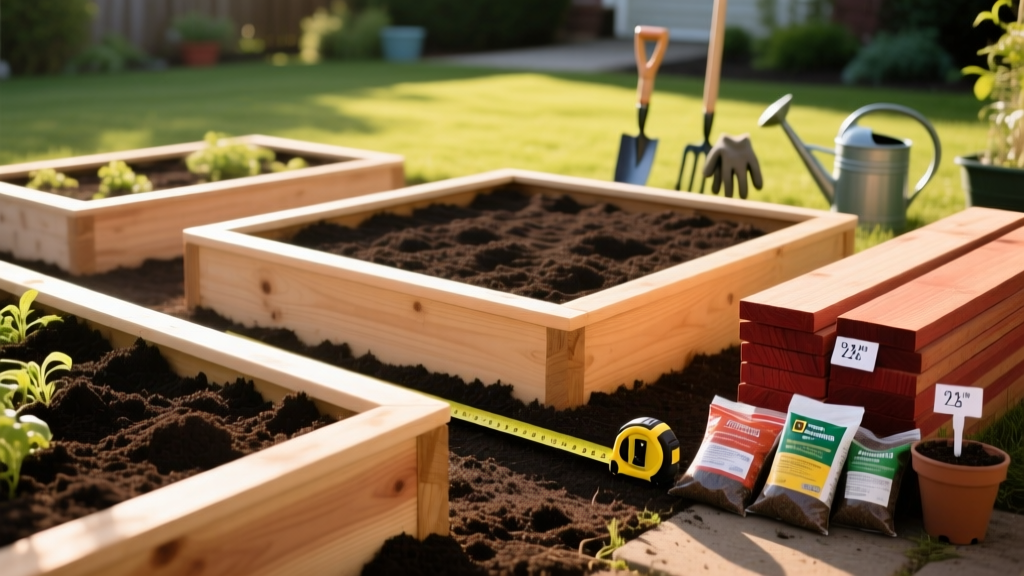
Raised Bed Garden Costs: Construction and Soil Pricing Guide
Anna KowalskiPublished
Introduction to Raised Bed Garden Budgeting
Building a raised bed garden is one of the most rewarding investments a home gardener can make. Raised beds offer superior drainage, better soil control, and reduced weed pressure compared to traditional in-ground rows. However, many first-time gardeners are caught off guard by the initial financial outlay required to construct the beds and, more importantly, fill them with high-quality growing media. According to the Royal Horticultural Society (RHS), proper soil preparation and structural integrity are the foundational pillars of a productive raised bed garden, but achieving this requires careful financial planning.
This comprehensive pricing guide breaks down the exact costs associated with raised bed construction in 2024. Whether you are building a single 4x4 foot planter for herbs or a sprawling backyard vegetable farm, understanding the nuances of material costs, soil volume calculations, and long-term maintenance will help you budget accurately and avoid expensive mid-project surprises.
Lumber and Material Costs for Raised Beds
The physical structure of your raised bed is your most visible expense. The material you choose will dictate not only your upfront budget but also the lifespan of your garden. Below is a comparison of the most popular raised bed materials and their associated costs.
| Material | Cost per Linear Foot | Estimated Lifespan | Pros | Cons |
|---|---|---|---|---|
| Untreated Pine | $1.50 - $3.00 | 3 - 5 Years | Highly affordable, easy to cut | Rots quickly, requires replacement |
| Cedar / Redwood | $5.00 - $9.00 | 10 - 15 Years | Naturally rot-resistant, beautiful | Higher upfront cost, can warp |
| Composite Timber | $8.00 - $15.00 | 20+ Years | Zero maintenance, eco-friendly | Expensive, requires cross-bracing |
| Corrugated Metal | $3.00 - $6.00 | 15 - 20 Years | Modern aesthetic, very durable | Heats soil in summer, sharp edges |
For a standard 4-foot by 8-foot bed that is 12 inches tall, you will need approximately 24 linear feet of lumber. Using premium Cedar, the framing materials alone will cost between $120 and $216 per bed. If you opt for composite materials, expect to pay upwards of $300 just for the exterior walls.
The True Cost of Garden Soil and Compost
The most common mistake new gardeners make is underestimating the volume and cost of soil required to fill a raised bed. A standard 4x8 foot bed that is 12 inches deep holds exactly 32 cubic feet of soil. Because one cubic yard equals 27 cubic feet, you will need roughly 1.2 cubic yards of soil mix per bed.
Bagged Soil vs. Bulk Delivery
- Bagged Soil: High-quality organic raised bed soil typically costs $4.50 to $8.00 per cubic foot. Filling a 4x8 bed with bagged soil will cost between $144 and $256. This is convenient for small spaces but financially ruinous for large gardens.
- Bulk Delivery: Ordering a "garden mix" (usually a blend of topsoil, compost, and sand) from a local landscape supply yard costs between $30 and $60 per cubic yard, plus a delivery fee of $50 to $100. Filling that same 4x8 bed with bulk soil drops the price to roughly $40 to $75, saving you hundreds of dollars if you are building multiple beds.
Many expert gardeners prefer to mix their own soil to ensure optimal drainage and nutrient retention. The USDA Natural Resources Conservation Service emphasizes that soil health is reliant on a balance of organic matter, minerals, and proper aeration. A popular DIY recipe is a modified "Mel's Mix," consisting of one-third coarse vermiculite, one-third peat moss (or coconut coir), and one-third blended organic compost. Sourcing these ingredients in bulk from local garden centers can reduce your per-bed soil cost to under $60 while providing superior growing conditions.
Hardware, Fasteners, and Accessories
Lumber and soil are the primary expenses, but the hidden costs lie in the hardware required to keep your garden structurally sound and protected from pests.
- Exterior Screws: Standard galvanized or stainless steel decking screws ($15 - $25 per box). Never use drywall screws, as they will rust and fail within a single season.
- Corner Brackets: Heavy-duty steel corner braces ($10 - $20 per set of four) are essential for composite or tall wooden beds to prevent the walls from bowing outward under the immense weight of wet soil.
- Weed Barrier and Hardware Cloth: To prevent weeds from creeping up from the native soil and to stop burrowing pests like gophers, line the bottom of your bed. A roll of 1/2-inch galvanized hardware cloth costs about $30 to $45, while heavy-duty landscape fabric costs around $20 per roll.
Irrigation and Watering System Costs
Hand-watering raised beds is time-consuming and often leads to uneven moisture levels, which can cause issues like blossom end rot in tomatoes. Installing a dedicated drip irrigation system is a highly recommended upfront cost.
A complete drip irrigation kit, including a digital timer, pressure regulator, mainline tubing, and drip emitters, typically costs between $80 and $150 for a system capable of watering four to six raised beds. Soaker hoses are a cheaper alternative at roughly $25 per 50-foot hose, but they tend to degrade under UV exposure and require replacement every two to three years. Investing in a proper drip system pays for itself in water savings and increased crop yields within the first two growing seasons.
DIY vs. Professional Installation Labor Costs
If you are not particularly handy, or if you lack the tools to cut lumber and move heavy soil, hiring a professional landscaping or garden design company is an option. Professional installation costs vary wildly by region but generally follow these pricing tiers:
- Basic Assembly (DIY Kits): If you purchase pre-fabricated raised bed kits and hire a local handyman to assemble and fill them, expect to pay $150 to $300 per bed in labor.
- Custom Carpentry: For custom-built, multi-tiered, or composite beds built on-site by a carpenter, labor costs can range from $500 to $1,200 per bed, excluding materials.
- Full-Service Garden Design: Landscaping firms that design the layout, source bulk materials, build the beds, install irrigation, and plant your first crops typically charge a minimum project fee of $3,000 to $5,000 for a complete backyard transformation.
Long-Term Maintenance and Annual Refresh Costs
A raised bed garden is not a one-time expense. Over the course of a growing season, soil settles, organic matter breaks down, and plants deplete nutrients. You must budget for annual maintenance to keep your garden productive.
Pro Tip: Never step inside your raised beds. The entire purpose of the structure is to prevent soil compaction. Keep your beds no wider than 4 feet so you can reach the center from either side without crushing the soil structure.
Each spring, you will need to "top off" your beds with fresh compost. The United States Environmental Protection Agency (EPA) notes that adding compost not only replenishes vital nutrients but also improves the soil's moisture retention and biological activity. Plan to spend $20 to $40 per bed annually on bagged compost, or invest in a backyard compost tumbler ($80 - $150) to generate your own free soil amendments from kitchen scraps and yard waste.
Additionally, budget $30 to $50 annually for organic fertilizers, cover crop seeds for the winter, and replacement parts for your irrigation system.
Summary: Total Estimated Project Costs
To summarize, here is the estimated total cost to build and fill a single, high-quality 4x8 foot Cedar raised bed (12 inches deep) using bulk soil and basic DIY labor:
- Cedar Lumber & Hardware: $160
- Bulk Soil & Compost Delivery: $110
- Hardware Cloth & Weed Barrier: $25
- Drip Irrigation Allocation: $35
- Total Estimated Cost: $330 per bed
While the initial investment of $300 to $500 per bed may seem steep, a well-maintained raised bed can yield hundreds of dollars worth of organic produce each year. By carefully selecting your materials, leveraging bulk soil deliveries, and installing efficient irrigation, you can build a thriving, cost-effective garden that pays for itself in fresh, homegrown harvests for decades to come.