Gardening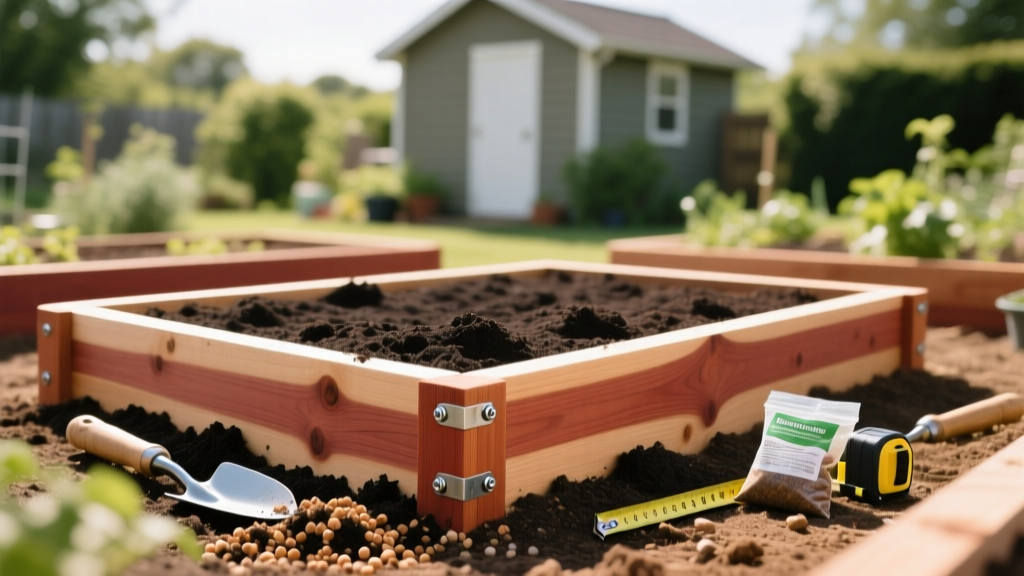
Raised Bed Garden Costs: Budgeting for Wood, Soil, and Setup
Emily WatsonPublished
The True Cost of Building a Raised Bed Garden
When transitioning from traditional lawn maintenance to dedicated gardening, few projects are as rewarding or as popular as building a raised bed garden. According to Penn State Extension, raised beds offer superior drainage, faster soil warming in the spring, and a highly controlled environment for your vegetables and flowers. However, before you start planting your tomatoes and peppers, you need to navigate the financial realities of garden construction. As part of our comprehensive Lawn Care Cost and Pricing Guides series, this article breaks down the exact expenses you will face when budgeting for a standard 4-foot by 8-foot raised bed garden, covering everything from lumber and soil to hardware and irrigation.
Framing Materials: Wood vs. Composite vs. Metal
The largest upfront cost for any raised bed is the framing material. For a standard 4x8-foot bed that is 10 to 12 inches deep, you will need four 8-foot boards. The material you choose will drastically impact both your initial budget and the long-term lifespan of your garden.
Untreated Pine or Spruce: This is the most budget-friendly option. Untreated softwood boards are inexpensive and readily available at any local hardware store. However, because they lack natural rot resistance, they will typically degrade and need replacement within three to five years, especially in damp climates.
Western Red Cedar or Redwood: These woods contain natural oils that resist rot, decay, and insect damage. While the initial investment is significantly higher, a cedar raised bed can easily last 10 to 15 years or more. It is the gold standard for organic gardeners who want a natural look without treating the wood with chemical preservatives.
Composite or Galvanized Steel: Composite lumber, made from recycled plastics and wood fibers, offers a lifespan of 25 years or more but comes at a premium price. Galvanized steel trough beds have also surged in popularity, offering a modern aesthetic and excellent durability, though they can heat up quickly in extreme summer climates.
Lumber Cost Comparison for a 4x8-Foot Bed
| Material Type | Cost per 8-ft Board (2x10) | Total Framing Cost | Expected Lifespan |
|---|---|---|---|
| Untreated Pine | $12 - $18 | $48 - $72 | 3 - 5 Years |
| Western Red Cedar | $28 - $45 | $112 - $180 | 10 - 15 Years |
| Composite Lumber | $55 - $85 | $220 - $340 | 25+ Years |
| Galvanized Steel Kit | N/A (Sold as Kit) | $150 - $250 | 20+ Years |
The Dirt on Soil Costs: Bulk vs. Bagged
Once the frame is built, you must fill it. A 4x8-foot bed that is 1 foot deep requires exactly 32 cubic feet of soil. This is where many new gardeners experience sticker shock. According to guidelines published by the Old Farmer's Almanac, you should never use native dirt or heavy topsoil from your yard in a raised bed, as it will compact and suffocate plant roots. Instead, you need a light, fluffy, well-draining mix.
Bagged Raised Bed Soil: Buying pre-mixed bags of raised bed soil from a garden center is the most convenient option. A standard 1.5 cubic foot bag costs between $8 and $12. To fill a 32-cubic-foot bed, you will need roughly 22 bags. At an average of $10 per bag, your soil cost will be around $220. While easy to transport, this is the most expensive way to buy soil.
Bulk Soil Delivery: If you have access to a truck or a driveway where a dump truck can drop off a load, bulk soil is vastly more economical. 32 cubic feet is roughly 1.2 cubic yards. Most landscape supply yards sell a premium raised bed mix (a blend of topsoil, compost, and sand) for $40 to $70 per cubic yard. Even with a $75 delivery fee, your total soil cost drops to roughly $130 to $160.
DIY Mel's Mix: Popularized by square-foot gardening, this recipe calls for one-third coarse vermiculite, one-third peat moss (or coconut coir), and one-third blended compost. While it creates an incredible growing medium, sourcing the individual components in small quantities can push the cost well over $300 for a single bed due to the high price of bagged vermiculite.
Many gardeners also choose to mix in a slow-release organic granular fertilizer at the time of filling the bed. A 4-pound bag of organic all-purpose fertilizer typically costs around $15 to $20 and provides essential baseline nutrients for the first growing season.
Hardware, Fasteners, and Weed Barriers
You cannot build a durable garden bed with standard indoor screws. You must invest in exterior-grade, corrosion-resistant fasteners. A box of 50 exterior-coated or stainless-steel deck screws (2.5-inch and 3-inch lengths) will cost between $12 and $20.
To prevent the corners from bowing outward under the weight of wet soil, many builders use corner brackets or mending plates. A set of four heavy-duty steel corner brackets costs about $20 to $30. Additionally, lining the bottom of your bed with a permeable weed barrier or heavy-duty landscape fabric prevents aggressive weeds like Bermuda grass from invading your bed while still allowing water to drain. A 4x8 sheet of commercial-grade landscape fabric costs approximately $15.
Irrigation and Watering Systems
Raised beds drain faster than in-ground gardens, meaning they require more frequent watering during the heat of summer. Hand-watering with a hose is free but time-consuming. Installing a dedicated drip irrigation system is a highly recommended investment that saves water and promotes deeper root growth.
A basic drip irrigation kit tailored for a 4x8 grid, including a pressure regulator, tubing, drip emitters, and a digital hose timer, will cost between $60 and $90. While this adds to the initial setup cost, it drastically reduces your summer water bills and prevents plant stress when you are away from home. Furthermore, utilizing a rain barrel connected to your home's gutter system can provide a free, sustainable source of water for your garden beds, further lowering your seasonal utility costs while providing plants with unchlorinated water.
Total Project Cost Breakdown
To summarize, here is what you can expect to spend on a single 4x8-foot cedar raised bed, fully equipped with premium soil and drip irrigation:
- Cedar Lumber (Four 2x10x8 boards): $150
- Exterior Screws and Corner Brackets: $35
- Landscape Fabric: $15
- Bulk Soil Mix (Delivered): $140
- Drip Irrigation Kit with Timer: $75
- Total Estimated Cost: $415
If you opt for untreated pine and bagged soil, you can reduce this initial cost to roughly $280, though you will face replacement costs for the wood in a few years.
Proven Strategies to Reduce Your Garden Budget
If the upfront costs seem daunting, there are several proven ways to lower your expenses without sacrificing garden quality:
- Start a Compost Bin: Soil amendments are an ongoing cost. The Environmental Protection Agency (EPA) highlights that home composting transforms kitchen scraps and yard waste into nutrient-rich humus, drastically reducing your need to purchase bagged compost and fertilizers in future seasons.
- Use the Hugelkultur Method: To reduce the amount of expensive soil needed, fill the bottom third of your deep raised bed with rotting logs, branches, and leaves. This decaying wood acts like a sponge, retaining moisture and slowly releasing nutrients, meaning you only need to buy soil for the top two-thirds of the bed.
- Source Reclaimed Materials: Check local construction sites, pallet yards, or online marketplaces for untreated, heat-treated (HT) shipping pallets or reclaimed scaffolding boards. Never use pressure-treated wood from before 2004, as it may contain arsenic, and avoid pallets stamped with 'MB' (Methyl Bromide).
- Buy Bare-Root and Seeds: Instead of buying $4 potted starter plants from a nursery, invest $20 in a variety of high-quality seed packets. A single packet of heirloom tomato or pepper seeds can yield dozens of plants for pennies on the dollar.
- Join Local Gardening Networks: Join a local gardening club or community seed swap. These events are fantastic resources for obtaining free or deeply discounted seeds, division cuttings from established perennials, and even leftover building materials from experienced gardeners who are upgrading their own setups.
Conclusion
Building a raised bed garden is a financial investment in your property, your health, and your culinary repertoire. While the initial costs for quality lumber and premium soil can range from $250 to over $400 per bed, the long-term yield of fresh, organic produce easily offsets the expense. By carefully selecting your materials, exploring bulk soil delivery, and implementing water-wise irrigation, you can build a thriving garden that fits your budget and stands the test of time.