Gardening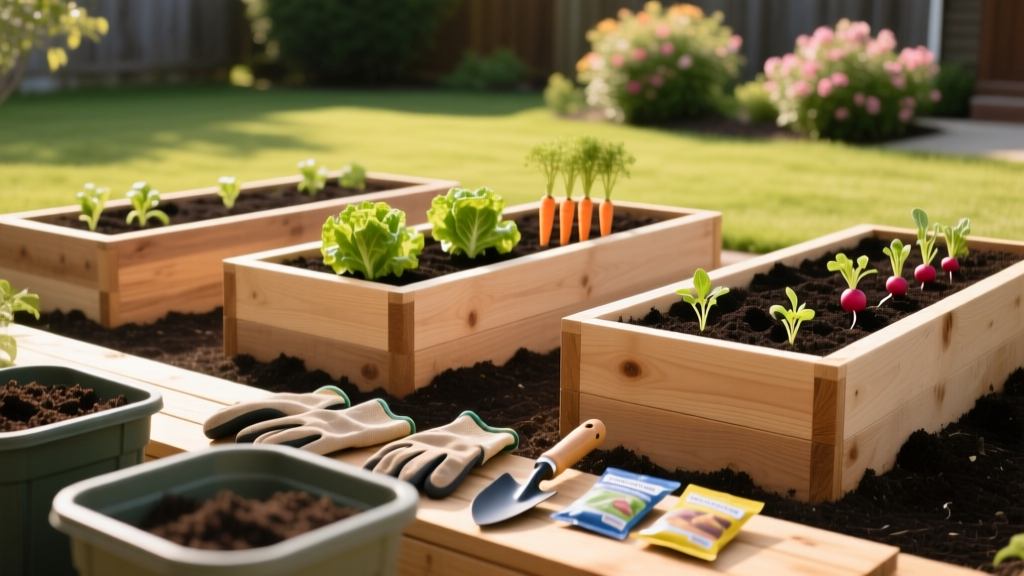
The True Cost of Starting a Raised Bed Vegetable Garden
James MillerPublished
Introduction to Raised Bed Gardening Costs
Starting a raised bed vegetable garden is one of the most rewarding investments a homeowner can make. Not only does it provide you with fresh, organic produce right outside your back door, but it also enhances your landscape, improves soil drainage, and reduces the strain on your back and knees. However, before you start picking out heirloom tomato seeds, it is crucial to understand the financial commitment involved. Many first-time gardeners are surprised to learn that the initial setup costs can vary wildly based on the materials chosen, the size of the beds, and the quality of the soil.
According to the Old Farmer's Almanac, raised beds offer superior drainage and allow for intensive planting, but they do require a significant upfront investment in infrastructure and soil amendments. In this comprehensive pricing guide, we will break down the true cost of starting a standard 4-foot by 8-foot raised bed vegetable garden, covering everything from lumber and soil to seeds, tools, and hidden expenses. By the end of this guide, you will have a clear, actionable budget to bring your gardening dreams to life.
Breaking Down the Costs: Materials and Supplies
Lumber and Bed Construction
The physical structure of your raised bed is your first major expense. For a standard 4x8 foot bed, you will need enough lumber to create a rectangle. If you want a bed that is 12 inches deep, you can use two layers of 2x6 boards or one layer of 2x12 boards. The type of wood you choose will drastically impact your budget:
- Untreated Pine: The most budget-friendly option. Pine boards are inexpensive but will rot within 3 to 5 years. Expect to pay around $12 to $18 per 8-foot 2x6 board. Total frame cost: $50 to $75.
- Cedar or Redwood: Naturally rot-resistant and beautiful, cedar is the gold standard for DIY garden beds. However, it comes at a premium. An 8-foot 2x6 cedar board typically costs between $30 and $45. Total frame cost: $120 to $180.
- Composite Lumber: Made from recycled plastics and wood fibers, composite boards will last a lifetime and never rot. They are heavy and expensive, often costing $50 to $70 per board. Total frame cost: $200 to $280.
- Corrugated Galvanized Metal: Metal beds are highly durable and warm up quickly in the spring. A DIY metal bed using corrugated roofing panels and wooden corner posts will cost around $100 to $150 in materials.
Do not forget to budget for hardware. You will need exterior-grade screws (such as galvanized or stainless steel deck screws) and possibly corner brackets to keep the bed square. Add $15 to $25 to your lumber budget for hardware.
Soil and Amendments
The single largest expense for any new raised bed is the soil. You should never fill a raised bed with native dirt from your yard, as it will compact heavily and restrict root growth. A 4x8 foot bed that is 12 inches deep requires exactly 32 cubic feet of soil (or roughly 1.2 cubic yards).
Many expert gardeners swear by a variation of 'Mel's Mix', which consists of one-third coarse vermiculite, one-third peat moss (or coconut coir for a more sustainable option), and one-third blended organic compost. Let us look at the cost to fill 32 cubic feet using bagged materials:
- Organic Compost: 11 cubic feet (approx. 8 bags at 1.5 cu ft each). At $6 per bag, this costs $48.
- Coconut Coir / Peat Moss: 11 cubic feet. Coir bricks or peat bales are highly compressed. You will need about 3 large bales. At $15 per bale, this costs $45.
- Vermiculite: 10 cubic feet. Vermiculite is relatively expensive and sold in smaller bags. You will need roughly 2 large bags. At $30 per bag, this costs $60.
Total bagged soil cost: $153. If you opt to buy bulk soil from a local landscape supplier, you can often get a 'raised bed mix' delivered for $40 to $60 per cubic yard, plus a delivery fee of $50 to $100. Bulk is usually cheaper and easier, but bagged gives you precise control over the soil biology.
Cost Comparison Table: DIY vs. Pre-Fabricated Kits
To help you visualize the financial differences between various construction methods, review the comparison chart below. This table outlines the estimated costs for a single 4x8 foot bed, including the frame, soil, and basic hardware.
| Bed Type | Frame Materials | Soil Cost (32 cu ft) | Estimated Total |
|---|---|---|---|
| Budget DIY | Untreated Pine ($65) | Bagged Mix ($150) | $215 |
| Premium DIY | Cedar Lumber ($150) | Bulk Delivery ($120) | $270 |
| Pre-Fab Wood Kit | Interlocking Cedar ($220) | Bagged Mix ($150) | $370 |
| Pre-Fab Metal Kit | Galvanized Steel ($180) | Bulk Delivery ($120) | $300 |
Seeds, Transplants, and Fertilizers
Once your bed is built and filled, it is time to plant. The cost of plants depends heavily on whether you start from seed or buy nursery transplants. Seeds are incredibly cost-effective. A single packet of organic heirloom seeds costs between $2.50 and $4.00 and contains dozens to hundreds of seeds. For a diverse garden featuring tomatoes, peppers, lettuce, carrots, radishes, and herbs, expect to spend about $25 to $35 on seed packets.
However, some crops with long growing seasons, like tomatoes, eggplants, and peppers, are often easier for beginners to grow from nursery transplants. A single organic transplant in a 4-inch pot costs between $3.50 and $5.00. If you buy ten transplants, that adds $35 to $50 to your budget.
You will also need an organic granular fertilizer to mix into the soil at planting time, and a liquid fish emulsion or kelp fertilizer for mid-season feeding. Budget approximately $25 for a season's supply of organic fertilizers.
Tools and Irrigation
You cannot tend a garden with your bare hands. If you are starting from scratch, you will need a basic arsenal of gardening tools. While you can buy cheap tools at discount stores, investing in high-quality, ergonomic tools will save you money in the long run because they will not break or rust after one season.
- Bypass Pruners: Essential for harvesting and pruning ($25 - $40).
- Hori-Hori Knife: A versatile Japanese soil knife perfect for digging small holes and cutting roots ($25 - $35).
- Garden Trowel and Cultivator: For transplanting and weeding ($15 - $25).
- Garden Fork: For turning soil and mixing in compost ($30 - $45).
- Heavy-Duty Gloves: To protect your hands from thorns and blisters ($10 - $15).
For irrigation, hand-watering with a hose is free but time-consuming and inefficient. Installing a simple soaker hose or drip irrigation system connected to a basic battery-operated timer will ensure your plants get consistent moisture. A 50-foot soaker hose costs about $25, and a digital water timer costs around $30. Total irrigation cost: $55.
Hidden Costs to Watch Out For
When creating your garden budget, be prepared for a few hidden costs that often catch beginners off guard:
- Soil Testing: Before adding amendments, it is wise to test your soil's pH and nutrient levels. The University of Minnesota Extension highly recommends soil testing to prevent over-fertilization and nutrient lockout. A mail-in soil test kit costs between $15 and $30.
- Pest Protection: Depending on your region, you may need to buy bird netting, floating row covers to protect against frost and cabbage moths, or hardware cloth to line the bottom of your bed to keep out burrowing gophers. Budget $30 to $50 for pest exclusion materials.
- Trellises and Supports: Indeterminate tomatoes, pole beans, and cucumbers require vertical support. Bamboo stakes, tomato cages, and wooden trellises can add $20 to $60 to your project.
- Mulch: Applying a layer of organic straw or shredded leaf mulch helps retain moisture and suppress weeds. A bale of organic straw costs about $8 to $12.
Tips for Budget-Friendly Gardening
If the initial estimates seem daunting, there are several proven strategies to drastically reduce the cost of your raised bed garden without sacrificing quality:
- Start Composting: Compost is the most valuable soil amendment you can use, and it is completely free if you make it yourself. The Environmental Protection Agency (EPA) provides excellent guidelines on how to turn kitchen scraps and yard waste into rich, dark
n gold for your garden. This will save you hundreds of dollars on bagged compost over the years. - Use Free or Reclaimed Wood: Look for untreated, heat-stamped (HT) shipping pallets that you can dismantle for free lumber. Avoid pallets stamped with 'MB' (Methyl Bromide) or colored wood, as these contain toxic chemicals that can leach into your food supply.
- Join a Seed Swap: Many local libraries and community centers host spring seed swaps where you can trade seeds with other gardeners for free, allowing you to try expensive heirloom varieties without buying full-priced packets.
- Divide and Share Perennials: Ask friends or neighbors if you can take cuttings or divisions of their herbs, such as rosemary, thyme, and mint, rather than buying new plants from a nursery.
Conclusion
Building a raised bed vegetable garden requires a noticeable upfront financial investment, typically ranging from $250 to $400 for a fully outfitted 4x8 foot cedar bed. However, it is important to view this as a long-term investment rather than a simple expense. A well-maintained raised bed can yield hundreds of pounds of fresh, organic produce each year, significantly offsetting your grocery bill. Furthermore, the infrastructure—especially if you use rot-resistant cedar or metal—will last for a decade or more. In subsequent years, your only costs will be seeds, compost, and water, making the return on investment incredibly favorable. By carefully selecting your materials, utilizing bulk soil, and embracing budget-friendly practices like composting, you can build a thriving, beautiful garden that feeds your family and enriches your soil for years to come.