Gardening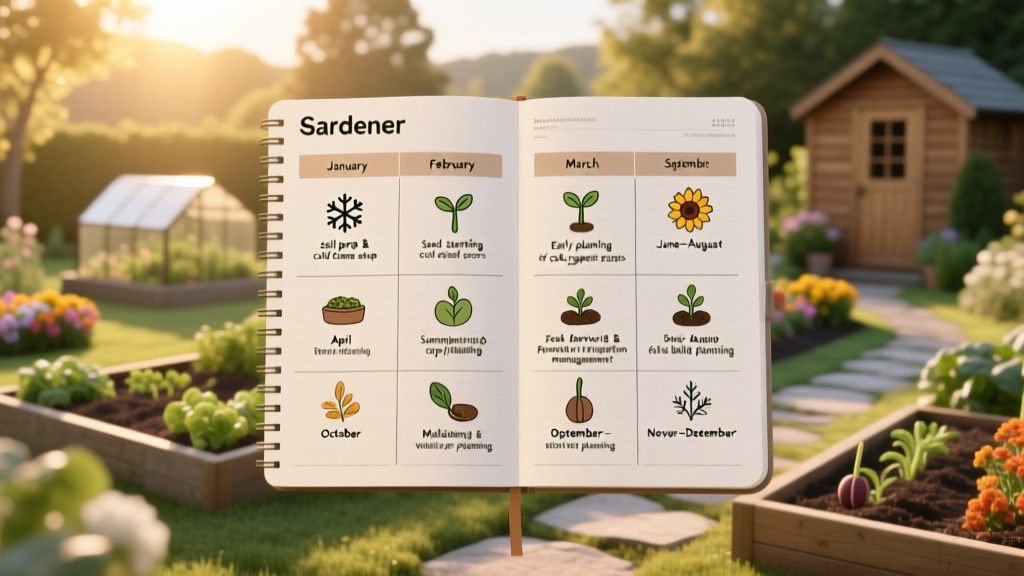
The Ultimate Seasonal Gardening Checklist And Schedule
James MillerPublished
The Symbiosis of Garden Beds and Lawn Health
Creating a lush, productive landscape requires more than just sporadic weeding and mowing. It demands a cohesive schedule that treats your vegetable plots, flower borders, and turfgrass as a single, interconnected ecosystem. When you align your gardening tasks with a structured lawn care checklist, you optimize soil health, conserve water, and reduce the spread of pests and diseases. According to the University of Minnesota Extension, integrating your landscape maintenance schedule ensures that nutrient runoff from garden beds is minimized, while turfgrass roots are encouraged to grow deeper, outcompeting common weeds.
This comprehensive guide provides a month-by-month checklist and schedule designed for homeowners in temperate climate zones (USDA Zones 5-7). Always cross-reference your specific planting dates with the USDA Plant Hardiness Zone Map to adjust for local frost dates and microclimates.
Spring Checklist: Soil Preparation and Early Sowing
Spring is the foundation of your landscape's annual cycle. The transition from dormancy to active growth requires careful soil preparation in both your garden beds and your lawn.
March: Assessment and Soil Testing
- Garden Beds: Clear winter debris and mulch from perennial beds. Take soil samples from your vegetable garden to test for pH and NPK (Nitrogen, Phosphorus, Potassium) levels. Aim for a pH between 6.0 and 7.0 for most vegetables.
- Lawn Care: Rake away dead grass (thatch) to prevent snow mold. Sharpen mower blades to ensure clean cuts, which reduces turf stress and disease susceptibility.
April: Composting and Aeration
April is the ideal time to amend your soil. The Environmental Protection Agency (EPA) notes that adding finished compost to your garden improves soil structure, retains moisture, and suppresses plant diseases. Apply a 2-inch layer of compost to your raised beds and till it into the top 6 inches of soil.
- Garden Beds: Direct-sow cold-hardy crops like peas, radishes, and spinach. Start warm-season seeds (tomatoes, peppers) indoors under grow lights.
- Lawn Care: Core aerate compacted lawn areas. Overseed bare patches with a grass seed blend suited to your sun/shade conditions. Apply a slow-release, organic spring fertilizer.
May: Planting and Edging
- Garden Beds: Transplant hardened-off seedlings after the last frost date. Install physical edging (metal or heavy-duty plastic) between your lawn and garden beds to prevent grass rhizomes from invading your vegetable plots.
- Lawn Care: Begin regular mowing. Follow the one-third rule—never remove more than one-third of the grass blade height in a single mowing to protect the root system.
Summer Schedule: Hydration, Mulching, and Pest Management
Summer heat stresses both your turf and your garden plants. A strict watering and mulching schedule is critical to maintain vigor and yield.
June: Mulching and Irrigation Setup
- Garden Beds: Apply 2 to 3 inches of organic mulch (straw for vegetables, shredded bark for ornamentals) around plants. This reduces soil evaporation by up to 70% and suppresses weed germination.
- Lawn Care: Adjust your irrigation system. Lawns generally require 1 to 1.5 inches of water per week. Water deeply and infrequently (e.g., twice a week in the early morning) to encourage deep root growth.
July: Pest Monitoring and Side-Dressing
- Garden Beds: Scout for pests like aphids, tomato hornworms, and squash vine borers. Use companion planting (e.g., marigolds near tomatoes) to deter nematodes and attract beneficial insects. Side-dress heavy feeders like corn and tomatoes with a nitrogen-rich organic fertilizer.
- Lawn Care: Raise your mower deck to 3 or 4 inches. Taller grass shades the soil, reducing water evaporation and preventing crabgrass seeds from germinating.
August: Harvest and Late-Summer Sowing
- Garden Beds: Harvest vegetables regularly to encourage continued production. Sow a second round of fast-maturing fall crops like bush beans, carrots, and leafy greens.
- Lawn Care: Avoid heavy fertilization during peak heat, which can burn the turf. Continue monitoring for grub damage and apply biological controls like milky spore if necessary.
Fall Maintenance: Overseeding, Composting, and Bed Preparation
Fall is arguably the most important season for long-term landscape health. The cooler temperatures and increased rainfall provide ideal conditions for root establishment and soil amendment.
September: Core Aeration and Cover Crops
- Garden Beds: Pull out spent summer crops and add disease-free debris to your compost bin. Plant cover crops like winter rye or crimson clover in empty vegetable beds to fix nitrogen and prevent soil erosion.
- Lawn Care: September is the prime window for core aeration and overseeding cool-season grasses. The soil is still warm, promoting rapid seed germination, while cooler air reduces heat stress on seedlings.
October: Leaf Management and Bulb Planting
- Garden Beds: Plant spring-blooming bulbs (tulips, daffodils, alliums) at a depth three times their height. Apply a 4-inch layer of shredded leaves over perennial beds for winter insulation.
- Lawn Care: Mulch fallen leaves directly into the lawn using your mower. This returns valuable organic matter and nitrogen to the soil, acting as a free, natural fertilizer.
November: Winterization and Tool Care
- Garden Beds: Drain and store drip irrigation lines and soaker hoses to prevent freeze damage. Clean and oil hand tools.
- Lawn Care: Perform the final mowing of the season, lowering the blade slightly to prevent matting and snow mold over the winter. Winterize your irrigation system by blowing out the lines with compressed air.
Winter Planning: Hardscape Maintenance and Strategy
While the landscape is dormant, winter is the time for planning, hardscape repair, and seed ordering.
December - February: Assessment and Ordering
- Garden Beds: Review the past year's garden journal. Note which cultivars resisted disease and which failed. Order seeds from reputable catalogs early to secure popular varieties.
- Lawn Care: Minimize foot traffic on dormant or frozen turf to prevent crown damage. Use calcium chloride-based ice melts on walkways instead of sodium chloride (rock salt), which is highly toxic to adjacent lawn and garden roots.
Composting and Soil Health Integration
A critical component of any landscape schedule is the continuous improvement of soil biology. Whether you are growing heirloom tomatoes in raised beds or maintaining a pristine Kentucky Bluegrass lawn, the foundation of success lies beneath the surface. Building a three-bin compost system in your backyard is a cost-effective way to generate black gold. A basic system constructed from untreated wooden pallets and hardware cloth costs less than $50 to build, whereas purchasing equivalent volumes of bagged organic compost from a garden center can easily exceed $200 annually.
When managing your compost pile, maintain a carbon-to-nitrogen (C:N) ratio of roughly 30:1. Brown materials (carbon) include dried autumn leaves, straw, and shredded cardboard. Green materials (nitrogen) include grass clippings, vegetable scraps, and coffee grounds. Avoid adding meat, dairy, or diseased plant material, as these attract pests and harbor pathogens. According to the Environmental Protection Agency (EPA), properly managed compost piles should reach internal temperatures between 135°F and 160°F to effectively kill weed seeds and harmful bacteria. Use a long-stemmed compost thermometer to monitor these levels weekly, turning the pile with a pitchfork every 10 to 14 days to introduce oxygen and accelerate decomposition.
For your lawn, leaving grass clippings on the turf after mowing (a practice known as grasscycling) can supply up to 25% of your lawn's annual nitrogen requirements. This natural recycling method reduces the need for synthetic fertilizers, saves money, and keeps organic waste out of local landfills. In your garden beds, utilize the lasagna gardening or sheet mulching method in the fall. Layer cardboard directly over weedy areas, then alternate layers of green and brown compost materials. By spring, the underlying weeds will be smothered, and the layers will have broken down into a rich, friable planting medium that requires minimal tilling.
Comprehensive Monthly Landscape Schedule
Use the following table as a quick-reference checklist to keep your garden and lawn care tasks synchronized throughout the year.
| Month | Garden Bed Tasks | Lawn Care Tasks |
|---|---|---|
| March | Clear debris, soil test, prune summer-flowering shrubs | Rake thatch, sharpen mower blades, repair hardscape |
| April | Apply compost, direct-sow cool crops, start seeds indoors | Core aerate, overseed bare spots, apply spring fertilizer |
| May | Transplant seedlings, install bed edging, mulch ornamentals | Begin regular mowing (one-third rule), weed control |
| June | Mulch vegetables, install trellises, monitor for early pests | Adjust irrigation to 1-1.5 inches/week, raise mower deck |
| July | Side-dress heavy feeders, companion plant, harvest daily | Mow high (3-4 inches), monitor for grubs, avoid heavy N |
| August | Sow fall crops, save seeds, maintain compost moisture | Continue deep watering, spot-treat broadleaf weeds |
| September | Plant cover crops, harvest fall produce, divide perennials | Core aerate, overseed cool-season turf, apply fall fertilizer |
| October | Plant spring bulbs, clean up diseased foliage, mulch beds | Mulch-mow leaves, continue watering until ground freezes |
| November | Drain irrigation lines, clean and oil tools, build cold frames | Final mowing (lower deck), blow out sprinkler systems |
| December | Plan next year's layout, order seeds, protect tender shrubs | Minimize turf traffic, use safe ice melts on pathways |
Conclusion
Maintaining a beautiful, productive landscape is a year-round endeavor. By utilizing a synchronized checklist that addresses both your garden beds and your turfgrass, you create a resilient outdoor space. Consistent soil testing, proper mowing heights, and strategic composting will reduce your reliance on synthetic chemicals and lower your long-term maintenance costs. Stick to your schedule, adapt to your local weather patterns, and watch your landscape thrive season after season.