Gardening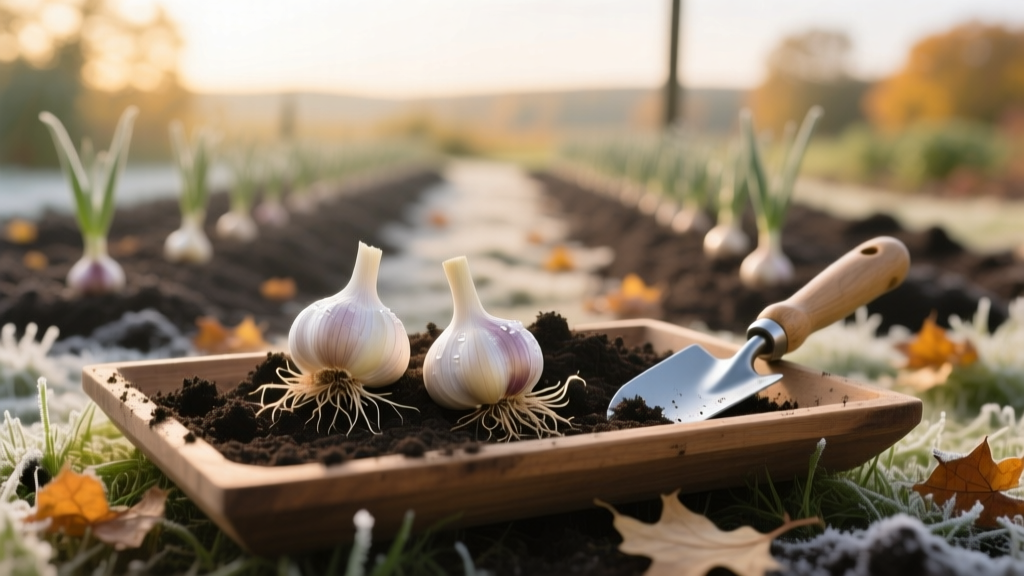
When to Plant Garlic: The Ultimate Fall Timing Guide
Anna KowalskiPublished
The Art and Science of Fall Garlic Planting
Garlic (Allium sativum) is a cornerstone of the home vegetable garden, prized for its robust flavor, culinary versatility, and relatively low-maintenance growth cycle. However, unlike warm-season crops such as tomatoes or peppers that are planted in the spring, garlic operates on a completely different biological clock. To achieve massive, tightly wrapped bulbs by mid-summer, you must plant your cloves in the fall. Getting the timing right is the single most critical factor in your garlic's success. Plant too early, and the tender green shoots may emerge before winter, leaving them vulnerable to severe freeze damage. Plant too late, and the cloves will fail to establish a robust root system before the ground freezes, resulting in stunted, marble-sized bulbs the following year. This comprehensive timing guide will walk you through the exact windows for planting, soil preparation, and seasonal maintenance to guarantee a bountiful harvest.
Understanding Vernalization: Why Cold is Crucial
Before digging your first trench, it is essential to understand the biological mechanism that drives garlic bulb formation: vernalization. Garlic requires a prolonged period of cold temperatures—specifically between 32°F and 50°F (0°C to 10°C)—to trigger the physiological transition from vegetative leaf growth to reproductive bulb formation. According to the University of Minnesota Extension, without this cold treatment, garlic plants will simply continue to produce green leaves and will never divide into distinct, harvestable cloves. By planting in the fall, you allow the garlic to naturally experience the winter chill it craves while safely dormant beneath the soil surface. This natural cold stratification ensures that when the soil warms in the spring, the plant is biologically primed to bulk up rapidly.
Hardneck vs. Softneck: Choosing Your Variety
Your planting timeline is also slightly influenced by the type of garlic you choose to grow. Hardneck garlic (Allium sativum var. ophioscorodon) is exceptionally cold-hardy, produces complex, spicy flavors, and yields edible scapes in the spring. It requires a longer, more rigorous vernalization period, making it the premier choice for gardeners in northern climates. Softneck garlic (Allium sativum var. sativum), on the other hand, is better suited for milder winters, stores much longer after harvest, and is the variety most commonly found in grocery stores. While softneck can technically be planted in early spring in colder zones (with artificially induced cold stratification), fall planting remains the gold standard for both varieties to maximize bulb size and yield.
Exact Planting Dates by USDA Hardiness Zone
The golden rule of garlic planting is to place your cloves in the ground 4 to 6 weeks before the ground freezes solid. This provides enough time for the clove to develop a strong, anchoring root system without pushing significant green top growth above the soil line. The Old Farmer's Almanac recommends monitoring local frost dates closely to nail this window. Below is a structured timing chart to help you identify your ideal planting window based on your specific USDA Hardiness Zone.
| USDA Zone | Ideal Planting Window | Estimated First Frost | Target Harvest Time |
|---|---|---|---|
| Zones 3-5 | Late September to Early October | Mid-October to Early November | Mid-July |
| Zones 6-7 | Mid-October to Early November | Early November to Late November | Late July |
| Zones 8-9 | November through December | Rare or Late December | Early to Mid-June |
Soil Preparation: 2 to 4 Weeks Before Planting
Garlic is a heavy feeder with a shallow root system, meaning it requires loose, well-draining soil rich in organic matter. Two to four weeks before your target planting date, begin preparing your garden bed. Start by testing your soil pH; garlic thrives in a slightly acidic to neutral range of 6.0 to 7.0. If your soil is too acidic, incorporate garden lime according to the package instructions. If it is too alkaline, add elemental sulfur. Next, amend the bed with 2 to 3 inches of high-quality, well-aged compost to improve soil structure and moisture retention. To provide the necessary nutrients for root establishment, work in a balanced, slow-release organic fertilizer. Products like Espoma Garden-tone (4-6-6) or a generous application of bone meal (high in phosphorus for root development) are excellent choices. Avoid high-nitrogen fertilizers at this stage, as excess nitrogen will encourage vulnerable top growth rather than root development. According to Penn State Extension, ensuring proper soil drainage is paramount, as garlic cloves will quickly rot in heavy, waterlogged clay soils during the wet winter months.
Planting Day: Spacing, Depth, and Orientation
When your planting window arrives, carefully break apart your seed garlic bulbs into individual cloves just 1 to 2 days before planting. Leave the papery husk intact on each clove, as it protects against soil-borne pathogens and rot. Never use garlic from the grocery store for planting; commercial bulbs are often treated with chlorpropham, a sprout inhibitor that will severely stunt or prevent growth. Furthermore, grocery store garlic may carry diseases not present in certified seed garlic. Dig a trench or individual holes 2 to 3 inches deep. In extremely cold northern zones (Zones 3-4), you can plant slightly deeper, up to 4 inches, for added insulation. Place each clove in the hole with the flat basal plate facing down and the pointed tip facing up. Planting them upside down will result in deformed bulbs and stunted growth. Space the cloves 6 inches apart within the row, with 12 inches between rows to ensure adequate airflow and room for bulb expansion. Cover the cloves with soil and water the bed thoroughly to eliminate air pockets and settle the soil around the roots.
Winter Protection: Mulching the Bed
Immediately after planting and watering, apply a thick layer of mulch to insulate the soil and protect the developing roots from extreme temperature fluctuations. A 4 to 6-inch layer of seed-free straw, shredded autumn leaves, or pine needles is ideal. Avoid using hay, as it is packed with weed seeds that will create a massive weeding headache in the spring. The mulch layer will prevent the soil from heaving during freeze-thaw cycles, which can push the shallow-rooted cloves out of the ground and expose them to lethal freezing air temperatures. In the spring, as the soil begins to warm, you can pull back a thin layer of the mulch to allow the sun to reach the soil, though many gardeners leave the mulch in place to suppress weeds and retain moisture throughout the growing season.
Spring and Summer Timeline: Maintenance and Scape Removal
As spring arrives and the ground thaws, your garlic will push green shoots through the mulch. This is the time to resume active maintenance. In early spring, side-dress the garlic bed with a nitrogen-rich organic fertilizer, such as blood meal or fish emulsion, to support vigorous leaf growth. Keep the bed consistently moist, providing about 1 inch of water per week, but cease watering entirely during the last two weeks before harvest to allow the bulbs to dry and the papery wrappers to form. If you are growing hardneck garlic, you must monitor the plants in late spring for the emergence of scapes—the curly, flower-bearing stalks. When the scape forms a single, complete loop, snip it off close to the base. Removing the scape redirects the plant's energy away from seed production and back into bulking up the underground cloves. Do not discard the scapes; they are a delicious, mild-garlic delicacy that can be used to make pesto or stir-fries.
Harvesting and Curing: The Final Timing Steps
Knowing exactly when to harvest is just as critical as knowing when to plant. Harvesting too early yields small, underdeveloped bulbs with wrappers that fall apart. Harvesting too late results in bulbs that have split open, making them unsuitable for long-term storage. The universal indicator for garlic harvest is the condition of the leaves. When approximately 40% to 50% of the lower leaves have turned yellow or brown, while the upper 5 or 6 leaves remain green, it is time to harvest. Gently loosen the soil with a garden fork and lift the bulbs, being careful not to bruise them. Do not wash the bulbs; simply brush off excess dirt. To cure the garlic, bundle 5 to 10 plants together and hang them in a dark, dry, and well-ventilated area with temperatures around 80°F for 3 to 4 weeks. Proper curing draws moisture out of the neck and wrappers, locking in the flavor and ensuring your harvest will last well into the winter months.