Gardening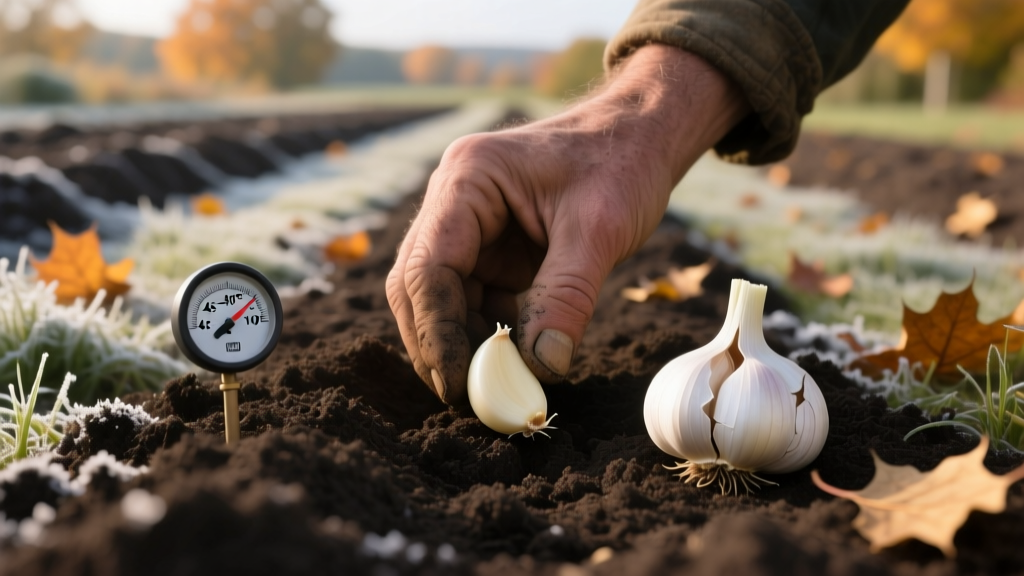
When to Plant Garlic: The Ultimate Fall Timing Guide
Mike RodriguezPublished
The Biological Clock: Why Garlic Needs Cold
Unlike warm-season crops such as tomatoes or peppers that are planted in the spring and harvested before the first frost, garlic (Allium sativum) operates on an entirely different biological clock. Garlic is a long-season crop that requires a process called vernalization to trigger proper bulb formation. Vernalization is a physiological process where the plant must experience a prolonged period of cold temperatures—typically between 40°F and 50°F (4°C to 10°C)—for about four to eight weeks. Without this crucial cold period, your garlic will not divide into individual cloves; instead, it will form a single, solid, onion-like bulb known as a 'round,' which is difficult to peel and lacks the robust flavor of a properly segmented head.
Because of this unique biological requirement, timing your garlic planting is arguably the most critical factor in your entire cultivation strategy. While it is possible to plant garlic in the spring, the vast majority of experienced growers and agricultural extensions recommend fall planting. Fall planting allows the cloves to establish a robust root system before the winter dormancy period, ensuring they are perfectly vernalized by the time spring growth resumes. According to the University of Minnesota Extension, fall-planted garlic consistently yields larger, healthier bulbs compared to spring-planted garlic, primarily because the plant maximizes its vegetative growth during the cool, moist days of early spring.
The Golden Rule of Fall Planting Timing
The most widely accepted rule of thumb for planting garlic in the fall is to put your cloves in the ground 6 to 8 weeks before the ground freezes solid. This specific window is critical for two reasons. First, it provides enough time for the clove to sprout roots and anchor itself firmly into the soil, which prevents 'frost heaving'—a phenomenon where the freezing and thawing cycles of winter push shallowly rooted plants out of the ground, exposing them to lethal winter air temperatures.
Second, planting within this window ensures that the garlic does not push too much green top-growth above the soil line before winter sets in. If you plant too early, while the soil is still excessively warm, the garlic may sprout several inches of green leaves. While a tiny bit of green shoot peeking through the soil is generally harmless, extensive top-growth is vulnerable to severe winter burn and die-back, which drains the clove's energy reserves and reduces your final harvest size. The goal is to encourage root growth beneath the surface while keeping top-growth minimal until spring.
Garlic Planting Timing by USDA Hardiness Zone
Because the '6 to 8 weeks before freeze' rule relies heavily on local weather patterns, your specific USDA Hardiness Zone is the best starting point for determining your exact planting month. Below is a structured timing guide to help you plan your garden calendar.
| USDA Zone | Typical Planting Window | Target Soil Temp | Expected Harvest Month |
|---|---|---|---|
| Zones 3-4 (Northern) | Mid-September to Early October | 50°F (10°C) | Mid-to-Late July |
| Zones 5-6 (Mid-Atlantic/Midwest) | Mid-October to Early November | 50°F (10°C) | Late July to Early August |
| Zones 7-8 (Southern/Mild Winters) | November to December | 55°F (13°C) | June to Early July |
| Zones 9-10 (Deep South/Coastal) | November to January (Pre-chilled) | 60°F (15°C) | May to June |
Gardeners in Zones 3 through 5 are racing against early winters and must prioritize getting their garlic in the ground as soon as autumn temperatures begin to drop. Conversely, gardeners in Zones 8 through 10 face the opposite problem: their winters are often too mild to provide adequate natural vernalization. If you live in a warm climate, The Old Farmer's Almanac recommends artificially vernalizing your seed garlic by storing it in the crisper drawer of your refrigerator for 8 to 10 weeks before planting it in the late fall or early winter.
Soil Temperature: The Most Accurate Timer
While calendar dates and hardiness zones are excellent guidelines, Mother Nature rarely adheres strictly to a schedule. An unseasonably warm October or an early November cold snap can throw off your calendar-based plans. Therefore, the most accurate and reliable indicator for when to plant garlic is the actual temperature of your soil.
You should aim to plant your garlic when the soil temperature at a depth of 2 inches consistently reads 50°F (10°C). To measure this accurately, use a standard soil probe thermometer. Take your readings in the morning, as afternoon sun can artificially inflate the top layer of soil. If your soil is still hovering around 60°F or higher, wait another week. Planting in soil that is too warm encourages premature top-growth and can increase the risk of fungal diseases and bulb rot in damp autumn conditions.
Step-by-Step Fall Planting Schedule
To ensure a successful harvest, follow this chronological schedule for preparing and planting your garlic bed:
- 4 Weeks Before Planting (Soil Prep): Garlic requires loose, well-draining soil with a pH between 6.0 and 7.0. Test your soil and amend it with generous amounts of finished compost or well-rotted manure. Avoid high-nitrogen synthetic fertilizers at this stage, as they promote leafy growth at the expense of root development.
- 1 Week Before Planting (Clove Separation): Do not separate your seed garlic bulbs into individual cloves until just a few days before planting. Leaving the cloves attached to the basal plate protects them from drying out and prevents disease entry. When you do separate them, keep the papery husk intact.
- Planting Day: Dig a trench or individual holes 2 to 3 inches deep. Place the cloves root-side down and pointy-side up. Space the cloves 6 inches apart in rows that are 12 inches apart. Cover with soil and water deeply once to settle the earth around the cloves.
When to Apply Winter Mulch
Timing your mulch application is just as important as timing the planting itself. Mulch is essential for suppressing weeds, retaining moisture, and insulating the soil against extreme temperature fluctuations. However, applying mulch too early can trap late-summer heat in the soil, delaying root formation and encouraging rot.
Wait to apply your winter mulch until after the first hard freeze or when the soil temperature has definitively dropped into the 40s. A 4-to-6-inch layer of seed-free straw, shredded leaves, or marsh hay is ideal. This layer will keep the soil temperature stable throughout the winter, preventing the destructive freeze-thaw cycles that cause frost heaving. In early spring, once the threat of hard freezes has passed and the garlic begins to push green shoots through the mulch, you can pull back a thin layer to allow the soil to warm up and promote vigorous spring growth.
What If You Miss the Window? Spring Planting Timing
Life happens, and sometimes the fall window slips by. If you find yourself staring at unplanted garlic cloves in December or January, you can still grow garlic, but the timing and preparation require a different approach. According to research highlighted by Penn State Extension, spring-planted garlic will yield significantly smaller bulbs unless it has been properly vernalized.
To plant in the spring, you must mimic winter. Place your whole, unseparated garlic bulbs in a paper bag and store them in the refrigerator (away from ethylene-producing fruits like apples) for at least 8 weeks. Once the ground thaws and is workable in early spring—typically 4 to 6 weeks before your last expected spring frost—separate the chilled cloves and plant them immediately. Because the growing season is drastically shortened, the plant will focus heavily on top-growth, resulting in smaller bulbs. Many spring planters opt to harvest these as 'green garlic' (similar to scallions) rather than waiting for full bulb maturity.
Timing the Harvest: Scapes, Water, and Bulbs
The timing cycle of garlic concludes with the harvest, which also requires precise observation. If you are growing hardneck garlic varieties, the plant will send up a curly, flower-like stalk called a scape in early to mid-summer.
When to remove scapes: Cut the scapes off when they have completed one full curl or loop, but before they begin to stand straight up. Removing the scape redirects the plant's energy away from seed production and back into swelling the underground bulb. Scapes are a delicious culinary treat and can be used just like garlic cloves in pestos and stir-fries.
When to stop watering: About two to three weeks before your anticipated harvest date, stop watering your garlic entirely. This allows the soil to dry out, which helps the bulb's outer papery wrappers cure and tighten, preventing rot and extending the storage life of your harvest.
When to pull the bulbs: Do not wait for the plant to turn completely brown and die back. The ideal time to harvest is when the lower three or four leaves have turned brown, but the top five or six leaves are still partially green. Each green leaf represents one intact papery wrapper on the bulb. If you wait until all leaves are brown, the wrappers will have disintegrated into the soil, and the bulb will shatter into individual cloves when pulled, ruining its storage potential. Gently loosen the soil with a garden fork and lift the bulbs, curing them in a warm, dry, well-ventilated area out of direct sunlight for three to four weeks before storage.