Gardening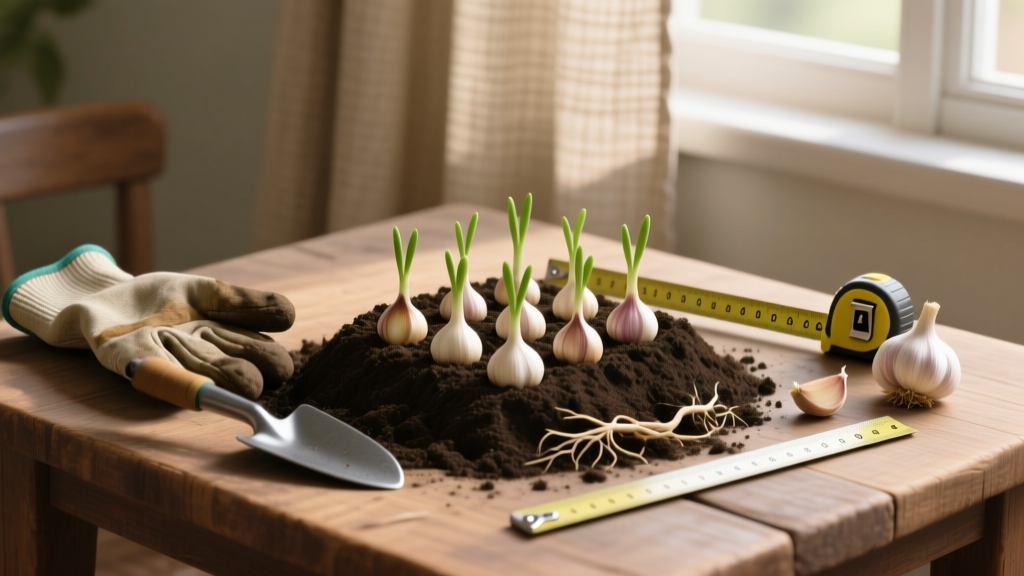
When to Plant Garlic: A Fall Timing Guide by Zone
Mike RodriguezPublished
Why Timing is Everything for Garlic
Garlic (Allium sativum) is unique among garden crops because it requires a specific cold-weather trigger to form large, segmented bulbs. Unlike spring-planted vegetables that race toward maturity before autumn frost, garlic is planted in the fall, overwinters in the soil, and is harvested the following summer. Getting the timing right is the single most critical factor in determining whether you will harvest robust, flavorful heads of garlic or end up with tiny, single-clove 'rounds' that are barely worth the effort.
The primary reason for fall planting is a biological process called vernalization. Garlic cloves must be exposed to prolonged cold temperatures (typically between 32°F and 50°F) to initiate the cellular division required for bulbing. According to the University of Minnesota Extension, if garlic is planted too late in the season, the cloves will not establish a sufficient root system before the deep freeze, leading to winter kill. Conversely, planting too early can cause the garlic to sprout above the soil line before winter, exposing tender green shoots to damaging frost.
The Golden Rule of Fall Garlic Planting
The universal rule of thumb for planting garlic is to put your cloves in the ground two to four weeks before the ground freezes solid. This window allows the clove to develop a robust root system and anchor itself in the soil without pushing green foliage above the surface. Because the 'first freeze' date varies wildly across North America, your specific planting date is entirely dependent on your local climate and USDA Hardiness Zone.
When to Plant Garlic by USDA Hardiness Zone
To determine your exact planting window, consult the USDA Plant Hardiness Zone Map to find your local average first frost date, then count backward by 14 to 28 days. Below is a comprehensive timing chart to help you schedule your fall garden chores.
| USDA Zone | Average First Frost | Ideal Planting Window | Garlic Type Recommended |
|---|---|---|---|
| Zones 3-4 | Mid to Late September | Early to Mid-September | Hardneck (e.g., Music, German Red) |
| Zones 5-6 | Mid October | October 1st to October 15th | Hardneck and Softneck varieties |
| Zones 7-8 | Late October to November | November 1st to November 15th | Softneck (e.g., Inchelium Red) or Hardneck |
| Zones 9-10 | Rare / No Freeze | December to January | Softneck (requires artificial chilling) |
Special Instructions for Zones 9 and 10
If you live in a warm, southern climate where the ground never freezes, garlic will not receive the natural vernalization it needs. Gardeners in these zones must artificially chill their seed garlic in a refrigerator (around 40°F) for 8 to 12 weeks before planting in December or January. The Old Farmer's Almanac highly recommends sticking to Softneck varieties like California Early or Silverskin for these warmer regions, as they have lower chilling requirements.
Soil Preparation and Bed Setup
Garlic is a heavy feeder and demands loose, well-draining soil rich in organic matter. Heavy clay soils will retain too much winter moisture, causing the cloves to rot before spring. If you are growing in native clay, construct a raised bed measuring 4 feet wide by 8 feet long and 10 inches deep, filling it with a mix of 60% topsoil, 30% compost, and 10% coarse sand.
Amending the Soil (2 Weeks Before Planting)
Two weeks before your target planting date, prepare the bed. Garlic requires high phosphorus and potassium levels for root and bulb development, but excess nitrogen in the fall will promote weak, leafy growth that is susceptible to frost damage.
- Compost: Top-dress your bed with 2 inches of aged manure or organic compost.
- Phosphorus Boost: Apply a granular organic fertilizer like Espoma Organic Bone Meal (4-12-0) at a rate of 5 pounds per 100 square feet. A standard 3-pound bag costs around $10 and is sufficient for most home raised beds.
- pH Adjustment: Garlic thrives in a soil pH between 6.0 and 7.0. If your soil is too acidic, incorporate pelletized garden lime according to your local soil test results.
Pro Tip: Never use garlic cloves purchased from the grocery store for planting. They are often treated with chemical sprout inhibitors and may carry soil-borne diseases like white rot. Always purchase certified disease-free seed garlic from reputable agricultural suppliers, budgeting roughly $20 to $30 per pound.
Step-by-Step Planting Instructions
When your planting window arrives, follow these precise measurements to ensure optimal bulb expansion and airflow:
- Crack the Bulbs: Gently break apart the seed garlic heads into individual cloves no more than 24 hours before planting. Leave the papery husk completely intact on each clove to protect it from soil pathogens.
- Select the Best Cloves: Plant only the largest, outermost cloves. The small, inner cloves will produce stunted bulbs; use them in the kitchen instead.
- Digging Trenches: Dig a trench or individual holes exactly 2 inches deep (measuring from the base of the clove to the soil surface). In extremely cold zones (Zone 3), you can plant slightly deeper, up to 3 inches, for extra insulation.
- Spacing: Space the cloves 6 inches apart in all directions. If planting in rows, leave 12 inches between rows to allow for spring weeding and cultivation.
- Orientation: This is critical. Place the clove in the hole with the pointed end facing up and the flat, scarred basal plate facing down. Planting a clove upside down will force the plant to expend massive energy correcting its growth orientation, resulting in misshapen, smaller bulbs.
- Backfill and Water: Cover the cloves with soil, pat it down gently to remove large air pockets, and water the bed deeply once to initiate root growth.
Mulching and Winter Protection
Once the ground begins to chill and night temperatures consistently dip near freezing, it is time to apply a winter mulch. Mulching serves three purposes: it insulates the soil against extreme temperature fluctuations, prevents frost heaving (which can push the cloves out of the ground), and suppresses early spring weeds.
Choosing the Right Mulch
The best mulch for garlic is seed-free straw, such as Maryland Certified #1 Straw, which typically costs about $10 to $14 per bale. Avoid using hay, as it is packed with weed seeds that will choke your garlic in the spring. You can also use shredded fall leaves, provided they are run over with a lawnmower first so they do not form a suffocating, water-logged mat.
Apply a thick layer of straw, 4 to 6 inches deep, over the entire garlic bed. In Zone 3 and 4, aim for the full 6 inches. In milder zones, 4 inches is sufficient. Do not apply the mulch immediately after planting; wait until the soil has cooled down to prevent trapping residual summer heat, which could encourage premature sprouting or fungal issues.
Spring Care and Harvest Timing
Knowing when to plant is only half the battle; knowing when to harvest is equally vital for long-term storage and flavor.
Spring Mulch Management
In early spring, as the ground thaws and green shoots begin to push through the straw, leave the mulch in place. It will continue to suppress weeds and retain moisture. However, if you notice the soil staying excessively soggy, pull the mulch back slightly from the base of the plants to prevent stem rot. Once the danger of hard frosts has passed, side-dress the garlic with a high-nitrogen fertilizer like blood meal or fish emulsion to fuel the rapid leafy growth required to size up the bulbs.
Harvesting Hardneck Scapes
If you planted Hardneck garlic, you will be rewarded with a bonus harvest in late spring. The plant will send up a central, curling flower stalk known as a 'scape'. Timing is crucial: snap or cut the scapes off as soon as they complete one full loop or curl. Removing the scape redirects the plant's energy away from seed production and back into bulbing underground, increasing your final bulb size by up to 20%. Scapes are a culinary delicacy and make excellent pesto.
When to Pull the Bulbs
Garlic is typically ready for harvest in mid-to-late summer, usually between late June and early August, depending on your zone and spring weather. Do not rely on the calendar; rely on the foliage. Watch the lower leaves of the plant. When the bottom three or four leaves have turned brown and dried out, but the top five or six leaves are still partially green, it is time to harvest. Waiting until all the leaves are completely brown means the papery wrappers protecting the bulb have begun to decay and split open, which ruins the garlic's storage potential. Use a garden fork to gently loosen the soil beneath the bulbs and lift them, avoiding pulling them by the stem. Brush off excess soil and hang them in a dark, well-ventilated area to cure for 4 to 6 weeks before storing.