DIY Core Aeration and Overseeding: The Ultimate Fall Lawn Guide
Bridging Outdoor Living and Lawn Health
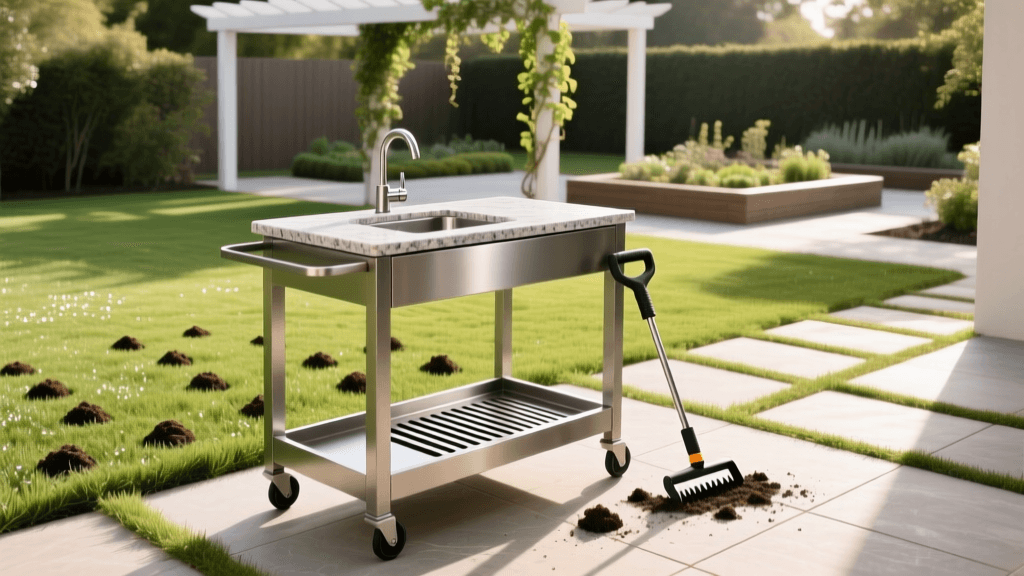
As the vibrant days of summer outdoor entertaining wind down, our lawns often bear the hidden scars of the season. Heavy foot traffic from backyard barbecues, the constant weight of patio furniture, and intense summer heat leave the soil compacted and the turf stressed. For homeowners who view their yard as an extension of their indoor living space, transitioning into fall seasonal home maintenance is critical. The most effective way to bridge the gap between a tired summer yard and a lush spring landscape is through the powerful combination of core aeration and overseeding. This DIY guide will walk you through the exact techniques, product recommendations, and smart home irrigation integrations needed to transform your lawn into a thick, resilient carpet of green.
The Hidden Enemy: Soil Compaction and Thatch
Before diving into the how-to, it is essential to understand why these techniques are necessary. Over time, soil particles are pressed together, reducing the pore space that holds air, water, and nutrients. This compaction suffocates grass roots, leading to shallow root systems and increased vulnerability to drought and disease. Furthermore, a layer of thatch—a tangled mat of dead and living grass shoots and roots—can build up on the soil surface, blocking moisture and fertilizer from reaching the root zone.
According to turfgrass experts at the University of Minnesota Extension, core aeration is the premier solution for these issues. Unlike spike aeration, which merely pokes holes and can actually worsen compaction by pressing soil outward, core aeration uses hollow tines to extract small plugs of soil (typically 2 to 3 inches deep and 0.5 to 0.75 inches in diameter). These extracted cores are left on the lawn to break down, redistributing beneficial soil microbes that help decompose thatch while creating vital channels for oxygen, water, and nutrients to penetrate deep into the root zone.
Timing Your Lawn Recovery
Timing is the most critical variable in lawn renovation. You must align your aeration and overseeding efforts with the natural growth cycles of your specific turfgrass. Cool-season grasses thrive in the cooler temperatures of early fall, while warm-season grasses prefer the heat of late spring to early summer.
| Grass Type | Optimal Aeration Window | Overseeding Rate (per 1,000 sq ft) |
|---|---|---|
| Tall Fescue (Cool-Season) | Late August to Mid-September | 5 to 6 lbs |
| Kentucky Bluegrass (Cool-Season) | Late August to Mid-September | 2 to 3 lbs |
| Perennial Ryegrass (Cool-Season) | Late August to Mid-September | 4 to 5 lbs |
| Bermudagrass (Warm-Season) | Late May to Early June | 1 to 2 lbs (hulled) |
| Zoysiagrass (Warm-Season) | Late May to Early June | 1 to 2 lbs |
Step-by-Step DIY Aeration and Overseeding Guide
Step 1: Mow Low and Water Deeply
Two days before you plan to aerate, water your lawn deeply with about 1 inch of moisture. The soil needs to be soft enough for the aerator tines to penetrate deeply, but not so muddy that the machine bogs down or the cores turn into a sludgy mess. On the day of aeration, mow your lawn slightly shorter than your usual maintenance height (around 1.5 to 2 inches). This ensures the aerator tines can reach the soil surface easily and prevents tall grass from interfering with seed-to-soil contact later.
Step 2: Core Aeration Execution
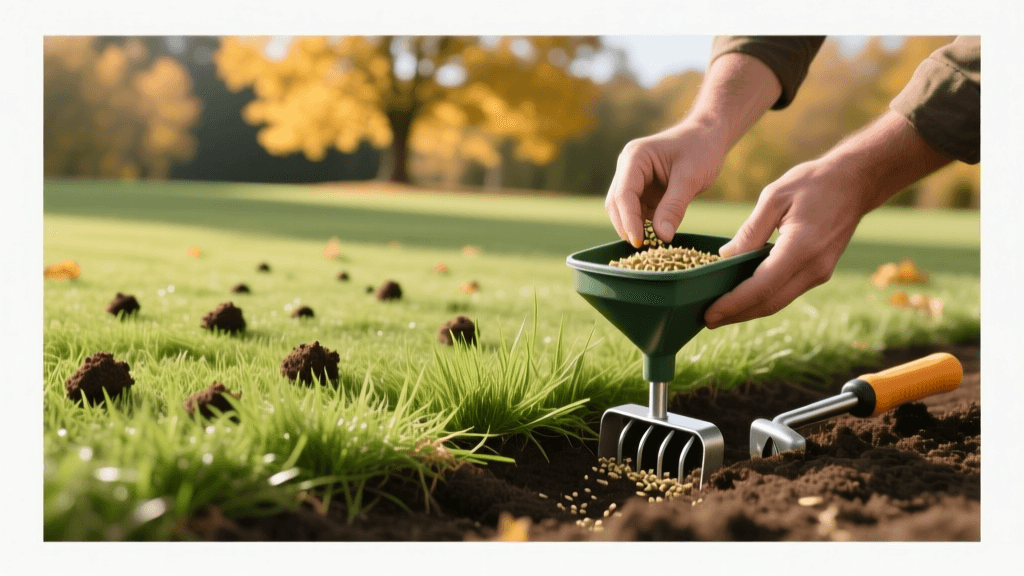
Rent a walk-behind core aerator from your local home improvement store or equipment rental yard. Expect to pay between $80 and $120 for a four-hour or daily rental. Because these machines are heavy and self-propelled, treat them with the same respect you would a rototiller. Run the aerator over your lawn in one direction, and then make a second pass in a perpendicular direction (a crisscross pattern) to ensure maximum hole density. Aim for 20 to 40 holes per square foot. Leave the extracted soil plugs exactly where they fall; they will naturally break apart and wash back into the canopy over the next few weeks with rainfall and mowing.
Step 3: Selecting and Applying Seed
Overseeding introduces new, vigorous grass plants to fill in bare spots and crowd out weeds. When selecting seed, avoid cheap 'contractor' mixes that are loaded with annual ryegrass or weed seeds. Invest in a premium blend suited to your microclimate. The University of Minnesota Extension recommends blends of Kentucky Bluegrass and fine fescues for northern lawns, noting their adaptability to varying light conditions. Use a broadcast spreader to apply the seed at the rates outlined in the table above. For optimal coverage, split your seed in half and apply one half walking horizontally across the yard, and the second half walking vertically.
Step 4: Starter Fertilizer and Topdressing
New grass seedlings require immediate access to phosphorus for strong root development. Apply a high-quality starter fertilizer (such as Scotts Turf Builder Starter Food for New Grass or an organic alternative like Milorganite) immediately after seeding. Follow the manufacturer's application rates precisely to avoid burning the tender new shoots. If your lawn has severe unevenness or heavy clay soil, consider a light topdressing of compost (about 1/8 inch thick) raked gently over the seed to retain moisture and provide an ideal germination medium.
Smart Home Integration: Automating Seed Germination
One of the most common reasons DIY overseeding fails is improper watering. Grass seed must remain consistently moist, but not waterlogged, during the 10 to 21-day germination window. This means watering lightly two to three times a day, a schedule that is difficult to maintain manually or with outdated mechanical sprinkler timers.
This is where smart home integration elevates your seasonal maintenance. Upgrading to a weather-based smart irrigation controller, such as the Rachio 3 or Orbit B-hyve, allows you to automate this delicate process while conserving water. According to the EPA WaterSense program, smart controllers use local weather data to adjust watering schedules automatically, preventing overwatering during unexpected fall rainstorms. Using the companion app on your smartphone, you can set up a temporary 'New Seed' schedule that triggers your sprinkler zones for just 3 to 5 minutes at 8:00 AM, 12:00 PM, and 4:00 PM. Once the grass reaches mowing height, you can seamlessly transition the smart controller back to a deep, infrequent watering schedule that promotes drought-resistant deep root growth.
Cost Breakdown: DIY vs. Professional Lawn Care
Deciding whether to tackle this project yourself or hire a professional landscaping service depends on your budget, physical capability, and available time. Below is a cost comparison for an average 5,000 square foot lawn.
| Service / Material | DIY Cost Estimate | Professional Service Cost |
|---|---|---|
| Core Aeration (Rental vs. Labor) | $90 (Machine Rental + Gas) | $150 - $200 |
| Premium Grass Seed (5,000 sq ft coverage) | $40 - $60 | Included in Service |
| Starter Fertilizer | $25 - $35 | Included in Service |
| Total Estimated Cost | $155 - $185 | $300 - $450 |
While hiring a professional saves you from the physical labor of pushing a heavy aerator and guarantees commercial-grade seed and fertilizer, the DIY route offers significant savings and a deeper connection to the stewardship of your outdoor living space.
Conclusion
Aeration and overseeding are not just routine chores; they are foundational investments in the long-term health and aesthetics of your home's exterior. By alleviating soil compaction, introducing resilient turf varieties, and leveraging smart irrigation technology to ensure perfect germination, you set the stage for a vibrant, weed-resistant lawn. As you transition your patio furniture into storage and prepare your home for the colder months, taking a weekend to execute this fall lawn recovery guide will ensure that when spring arrives, your outdoor living space is ready to welcome you back with a flawless carpet of green.