
How to Identify and Eradicate Nutsedge in Your Garden
The Nutsedge Nightmare: Why This Weed Wins
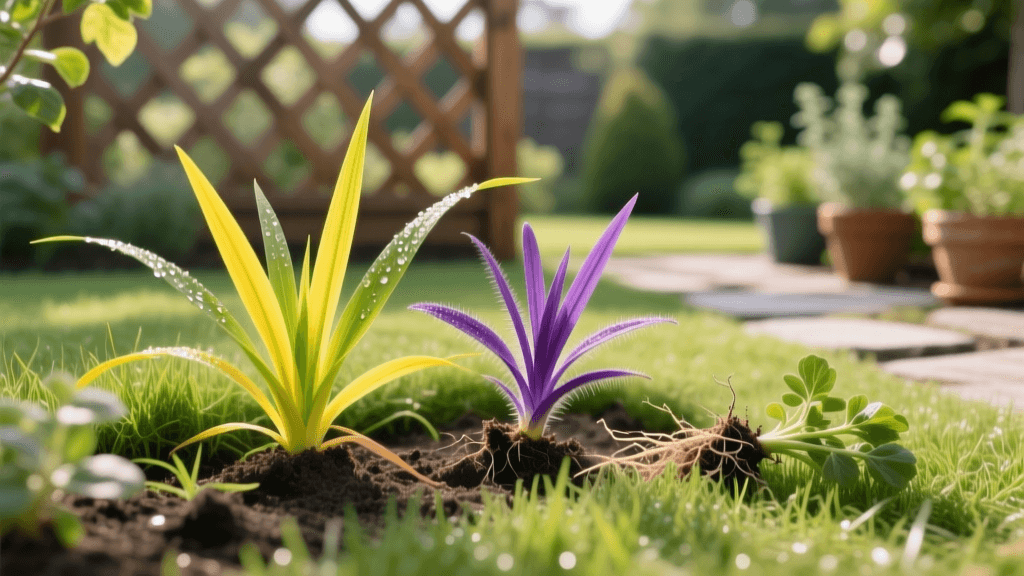
If you have ever waged war against a weed that seems to multiply overnight, you have likely encountered nutsedge. Often mistakenly called 'nutgrass,' nutsedge is not a grass at all. It is a sedge, a completely different family of plants that requires a highly specific approach to eradicate. For homeowners trying to maintain pristine lawns or productive garden-to-table vegetable beds, nutsedge is one of the most frustrating invaders you can face. It thrives in moist soil, outcompetes desirable plants for nutrients, and possesses a subterranean survival mechanism that makes standard weeding techniques practically useless.
According to the University of California Integrated Pest Management (UC IPM) program, nutsedges are perennial weeds that reproduce primarily through underground tubers, commonly referred to as 'nutlets.' Understanding the biology of this weed is the first and most critical step in reclaiming your outdoor living spaces, garden beds, and turfgrass.
Botanical Breakdown: Yellow vs. Purple Nutsedge
Before you can eliminate nutsedge, you must correctly identify which species is invading your yard. The two most common varieties in North America are Yellow Nutsedge (Cyperus esculentus) and Purple Nutsedge (Cyperus rotundus). While they look similar at a glance, their growth habits and vulnerabilities differ slightly.
| Identifying Feature | Yellow Nutsedge | Purple Nutsedge |
|---|---|---|
| Leaf Tip Shape | Long, tapered, and sharply pointed | Blunt, rounded, or slightly notched |
| Seedhead Color | Yellowish-brown or golden | Dark purple, reddish-brown, or maroon |
| Tuber Characteristics | Round, smooth, light brown, sweet/almond taste | Oblong, scaly, dark brown/black, bitter taste |
| Growth Habit | Produces tubers at the ends of long rhizomes | Produces tubers in chains connected by short rhizomes |
| Stem Cross-Section | Triangular (Solid) | Triangular (Solid) |
A classic gardening adage helps with quick identification in the field: 'Sedges have edges.' If you roll the stem between your fingers and feel a distinct triangular shape, you are dealing with a sedge, not a grass. Furthermore, Penn State Extension notes that yellow nutsedge is significantly more cold-hardy and widespread across the northern United States, while purple nutsedge dominates the deep South and tropical regions.
The Secret Weapon: Tubers and Rhizomes
Why is nutsedge so difficult to kill? The answer lies beneath the soil surface. Nutsedge develops a complex underground network of rhizomes and tubers. A single yellow nutsedge plant can produce hundreds of tubers in a single growing season. These tubers can remain dormant in the soil for up to three years, waiting for the right conditions to sprout.
Pulling nutsedge by hand is often counterproductive. When you yank the plant, the stem snaps, leaving the tuber in the ground. The act of pulling actually breaks the dormancy of adjacent nutlets, causing two or three new shoots to emerge where only one grew before.
This subterranean network is also why standard pre-emergent herbicides and shallow mulching fail to stop nutsedge. The shoots possess incredible mechanical strength, capable of piercing through heavy landscape fabrics, thick layers of bark mulch, and even thin asphalt or landscape edging.
Step-by-Step Nutsedge Removal Guide
Eradicating nutsedge requires patience and a multi-pronged approach. The strategy you choose will depend on whether the weed is in your lawn or your ornamental and vegetable garden beds.
1. Manual and Cultural Control Methods
If you are dealing with a small, newly established patch of nutsedge in a garden bed, manual removal is possible, but it must be done correctly.
- The 8-Inch Rule: Use a digging fork or a narrow spade to excavate the soil to a depth of at least 8 to 10 inches. You must sift through the soil and remove every single tuber. Leaving even one behind guarantees a resurgence.
- Early Intervention: Pull or dig the plants when they are young, ideally before they reach the 5-leaf stage. At this point, the plant has not yet begun forming new tubers for the season.
- Soil Solarization: For severely infested garden beds, clear the area, water the soil deeply, and cover it with clear, heavy-duty plastic sheeting for 4 to 6 weeks during the peak heat of summer. The trapped solar energy will cook the tubers in the top layer of soil.
- Smothering (Sheet Mulching): Standard mulch won't work. Instead, lay down overlapping layers of thick corrugated cardboard, wet it thoroughly, and cover it with at least 4 inches of heavy wood chips. Monitor the edges closely for escaping shoots.
2. Chemical Control Options (Herbicides)
For large lawn infestations or stubborn garden perimeters, chemical intervention is often the only practical solution. However, standard broadleaf weed killers (like 2,4-D) and glyphosate (Roundup) are largely ineffective against mature nutsedge. You must use herbicides specifically formulated for sedges.
- Halosulfuron-methyl (e.g., SedgeHammer): This is the gold standard for post-emergent nutsedge control in both lawns and landscape beds. It is a systemic herbicide that is absorbed through the leaves and translocated down to the tubers, killing the entire plant. It requires a non-ionic surfactant to stick to the waxy sedge leaves.
- Sulfentrazone (e.g., Dismiss, Blindside): This active ingredient works faster than halosulfuron-methyl, often showing visible burn-down in 24 to 48 hours. It is excellent for turfgrass but must be used with caution near the root zones of desirable ornamental plants.
- Imazaquin (e.g., Image for Nutgrass): A popular consumer-grade option for southern lawns (especially St. Augustine and Centipede grass). It works slowly, taking several weeks to translocate to the tubers, but provides excellent long-term suppression.
Crucial Application Timing: Apply post-emergent herbicides in early summer when the nutsedge is actively growing but has not yet produced mature seedheads. Do not mow your lawn for two days before and two days after application to ensure maximum leaf surface area is available to absorb the chemical.
Preventing Nutsedge from Returning
Once you have eradicated the visible nutsedge, your focus must shift to prevention. Nutsedge is an indicator plant; it thrives in areas with poor drainage, compacted soil, and excessive moisture. By altering the environment, you make your yard inhospitable to future invasions.
Improve Soil Drainage and Irrigation
Overwatering is the primary catalyst for nutsedge outbreaks. Audit your smart home irrigation system to ensure you are not watering areas that already retain moisture. Aerate compacted lawn areas annually to improve water infiltration, and consider installing French drains or amending low-lying garden beds with organic compost to improve percolation.
Maintain Thick, Competitive Turf
Nutsedge struggles to compete with a dense, healthy lawn canopy. Raise your mower deck to the highest recommended setting for your specific turfgrass species. Taller grass shades the soil surface, depriving emerging nutsedge shoots of the sunlight they need to photosynthesize and establish new tubers.
Inspect Topsoil and Mulch Deliveries
One of the most common ways nutsedge is introduced to a pristine landscape is through contaminated bulk topsoil or mulch. When ordering materials for your DIY garden projects, inspect the pile before it is unloaded. If you see the telltale triangular stems or golden seedheads, reject the delivery. Always source materials from reputable landscape suppliers who manage their compost and soil piles aggressively.
Frequently Asked Questions
Can I eat yellow nutsedge tubers?
Yes. Yellow nutsedge is actually cultivated in some parts of the world for its tubers, known as 'tiger nuts' or 'chufa.' They are edible, highly nutritious, and have a sweet, nutty flavor similar to almonds or coconuts. However, you should never consume tubers harvested from a lawn or garden that has been treated with chemical herbicides or synthetic fertilizers.
Will vinegar kill nutsedge?
Horticultural vinegar (20% to 30% acetic acid) will burn off the top growth of the nutsedge plant, but it is a contact herbicide. It will not penetrate the soil or translocate to the tubers. The plant will simply resprout from the underground nutlets within a week, making vinegar an ineffective long-term solution.
How long does it take to get rid of a severe infestation?
Eradicating a severe nutsedge infestation is a marathon, not a sprint. Because the tubers can remain dormant in the soil for up to three years, you should expect to monitor and treat the area consistently for at least two to three growing seasons to fully deplete the tuber bank in the soil.