The Ultimate Month-by-Month Lawn Care and Smart Irrigation Schedule
Bridging Traditional Lawn Care with Smart Home Technology
Maintaining a lush, vibrant lawn while bridging the gap between traditional gardening and modern smart home technology requires more than just guesswork. It demands a strategic, month-by-month lawn care schedule tailored to your specific grass type and local climate. For homeowners looking to elevate their outdoor living spaces, integrating eco-friendly landscaping practices with smart irrigation controllers is the key to a resilient yard that thrives year-round.
According to the EPA WaterSense program, the average American family uses more than 300 gallons of water per day at home, and roughly 30% of that is used outdoors. By adopting a structured lawn care calendar and upgrading to smart home irrigation, you can drastically reduce water waste while maintaining a pristine landscape. Below is your comprehensive, actionable checklist for cool-season grasses (such as Kentucky Bluegrass, Tall Fescue, and Perennial Ryegrass), blending hands-on maintenance with automated efficiency.
Early Spring (March - April): Awakening the Lawn
As the soil temperature consistently reaches 50°F to 55°F, your cool-season grass begins to wake from winter dormancy. This is the time to lay the groundwork for the entire growing season.
Key Maintenance Tasks:
- Debris Removal and Raking: Gently rake the lawn to remove dead grass, leaves, and winter debris. This prevents snow mold and allows sunlight to penetrate the soil.
- Soil Testing: Before applying any amendments, conduct a soil test. Aim for a pH between 6.0 and 7.0. If your soil is too acidic, apply pelletized lime at the rate recommended by your local extension office.
- Pre-Emergent Herbicide: Apply a pre-emergent like Prodiamine or Dithiopyr when soil temperatures hit 55°F to prevent crabgrass seeds from germinating.
Smart Irrigation Integration:
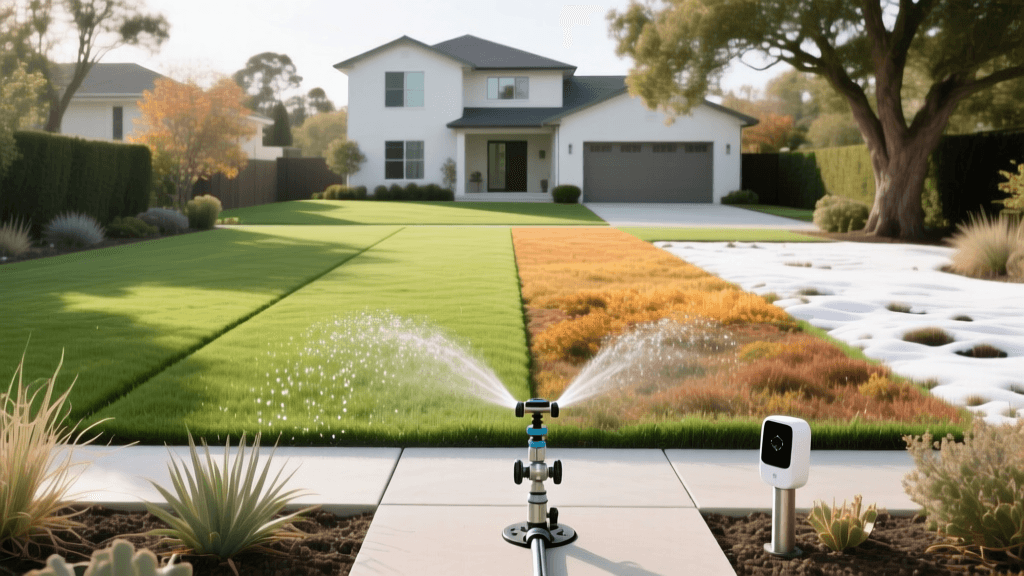
Spring rains often provide sufficient moisture. Use this time to audit your smart irrigation system. Check your Wi-Fi-enabled controller (such as the Rachio 3 or Hunter Hydrawise) to ensure it is connected to local weather stations. Replace any damaged sprinkler heads and ensure your rain delay sensor is functioning correctly to prevent overwatering during spring showers.
Late Spring (May - June): Growth and Smart Tuning
As temperatures climb, your lawn enters its peak growth phase. The focus shifts to promoting deep root development and preparing the grass for the impending summer heat.
Key Maintenance Tasks:
- Mowing Height Adjustment: Raise your mower deck. According to University of Minnesota Extension, maintaining a mowing height of 3 to 4 inches for cool-season grasses shades the soil, reduces water evaporation, and chokes out weeds.
- Fertilization: Apply a slow-release nitrogen fertilizer (such as Milorganite or Scotts Turf Builder) in late May. Avoid high-nitrogen, quick-release fertilizers that push excessive top growth at the expense of root depth.
- Grub Control: If you have a history of grub damage, apply a preventative grub control product containing Imidacloprid in early June.
Smart Irrigation Integration:
Transition your smart controller from spring to summer schedules. Enable 'Seasonal Shift' or 'Weather Intelligence' features on your smart hub. These features automatically adjust watering durations based on real-time evapotranspiration (ET) rates, ensuring your lawn gets exactly what it needs without manual reprogramming.
Summer (July - August): Heat Stress and Water Conservation
Summer is the most stressful time for cool-season lawns. The goal is survival and water conservation, not aggressive growth.
Key Maintenance Tasks:
- Deep and Infrequent Watering: Lawns need 1 to 1.5 inches of water per week. Water deeply 2 to 3 times a week rather than daily light sprinklings to encourage deep root growth.
- Dormancy Management: If water restrictions or severe drought occur, allow your lawn to go dormant. It will turn brown but will recover when autumn rains return. Do not foot traffic heavily on dormant grass.
- Pest Monitoring: Watch for signs of chinch bugs or sod webworms, which thrive in hot, dry conditions.
Smart Irrigation Savings Comparison
Upgrading to a smart irrigation system pays for itself through water conservation and utility savings. Below is a comparison of traditional versus smart watering practices during peak summer months.
| Irrigation Method | Weekly Watering Approach | Estimated Weekly Water Usage (per 1,000 sq ft) | Monthly Cost Estimate |
|---|---|---|---|
| Traditional Timer | Fixed schedule (e.g., 20 mins daily) | ~1,200 gallons | $18 - $25 |
| Smart Controller (Weather-Based) | Dynamic schedule based on ET and rain | ~750 gallons | $10 - $14 |
| Smart Controller + Soil Moisture Sensor | Triggered only when soil VWC drops below 20% | ~500 gallons | $6 - $9 |
Pro Tip: Pair your smart controller with wireless soil moisture sensors placed in the sunniest and shadiest zones of your yard. This prevents the system from watering zones that are already saturated, eliminating runoff and fungal diseases.
Early Fall (September - October): The Most Critical Season
Autumn is the most important season for cool-season lawn care. The soil is still warm, but the air is cool, creating the perfect environment for root growth and seed germination.
Key Maintenance Tasks:
- Core Aeration: Rent a core aerator or hire a professional to pull 2-to-3-inch plugs from the soil. This relieves compaction and allows oxygen, water, and nutrients to reach the root zone.
- Overseeding: Immediately after aeration, overseed with a high-quality Tall Fescue or Kentucky Bluegrass mix. Keep the seed consistently moist until germination occurs (usually 10-14 days).
- Winterizer Fertilizer: Apply a winterizer fertilizer high in potassium and nitrogen in late October. This feeds the roots and stores energy for the following spring's green-up.
Smart Irrigation Integration:
As daylight hours shorten and temperatures drop, your smart controller will automatically reduce watering times. However, you must manually adjust the schedule for newly planted grass seed, which requires short, frequent watering cycles (e.g., 5 minutes, three times a day) to keep the top inch of soil moist.
Late Fall & Winter (November - February): Winterization
Preparing your landscape and equipment for freezing temperatures ensures you won't face costly repairs in the spring.
Key Maintenance Tasks:
- Leaf Cleanup: Mulch light layers of leaves with your mower, but rake and remove heavy accumulations that can smother the grass and invite snow mold.
- Equipment Winterization: Drain gas from your mower or add a fuel stabilizer. Clean the undercarriage and sharpen the blades for next year.
- Irrigation Blowout: Hire a professional to blow out your underground irrigation system with compressed air. Freezing water in the PVC or polyethylene pipes will cause catastrophic cracks and leaks.
The Value of EPA WaterSense Labeled Technology
When upgrading your outdoor living space, selecting the right hardware is just as important as following a seasonal schedule. The EPA WaterSense program certifies weather-based irrigation controllers (WBICs) that act like a thermostat for your lawn. Instead of watering on a rigid schedule, these smart devices use local weather data to determine when and how much to water. Studies show that WaterSense labeled controllers can save the average home nearly 7,600 gallons of water annually.
By combining these intelligent devices with a disciplined, month-by-month lawn care checklist, you create an energy-efficient, eco-friendly landscape that seamlessly extends your home's living space into the outdoors. Whether you are hosting a summer garden-to-table dinner party or simply enjoying a quiet autumn evening on the patio, a well-scheduled lawn provides the perfect, sustainable foundation for your outdoor lifestyle.