Smart Irrigation System Costs: Pricing Guide & ROI
The Rise of Smart Outdoor Living
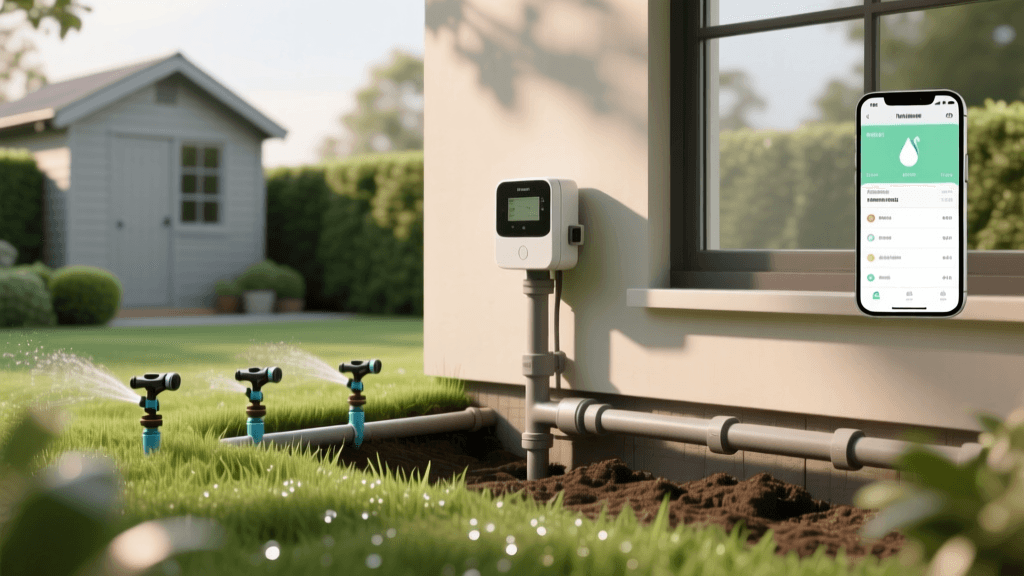
As homeowners increasingly look to bridge the gap between indoor comfort and outdoor functionality, the modern landscape is undergoing a technological revolution. At the forefront of this shift is the smart irrigation system. No longer do we have to rely on outdated, clock-based sprinkler timers that water our lawns during heavy rainstorms or fail to adjust to seasonal temperature shifts. Today, smart home integration for irrigation and lighting allows for unprecedented control over our outdoor environments, directly from our smartphones. However, upgrading your outdoor space with intelligent technology requires a clear understanding of the associated costs, installation variables, and long-term return on investment. This comprehensive pricing guide breaks down everything you need to know about smart irrigation system costs, helping you make an informed, energy-efficient landscaping decision.
What is a Smart Irrigation Controller?
Before diving into the pricing, it is essential to understand what separates a smart controller from a traditional sprinkler timer. Traditional timers operate on a rigid schedule, watering for a set number of minutes on specific days regardless of environmental conditions. Smart controllers, on the other hand, utilize real-time data to optimize watering schedules. They bridge the gap between your home Wi-Fi network and your underground sprinkler valves, ensuring your lawn receives exactly the amount of water it needs, precisely when it needs it.
There are two primary types of smart irrigation controllers available on the market today:
- Weather-Based Controllers (Evapotranspiration or ET): These devices connect to local weather stations via Wi-Fi. They calculate the exact amount of water your landscape needs based on real-time data regarding temperature, humidity, solar radiation, and wind speed. If a rainstorm is approaching, the system automatically delays the watering cycle.
- Soil Moisture Sensor Controllers: These systems rely on physical sensors buried in the root zone of your lawn or garden beds. Instead of relying on weather forecasts, they measure the actual volumetric water content in the soil. The system will only trigger the sprinkler valves when the soil moisture drops below a specific threshold.
Smart Irrigation System Cost Breakdown
The total cost of upgrading to a smart irrigation system can vary wildly based on the size of your property, the number of irrigation zones, and whether you choose to tackle the project as a DIY garden project or hire a licensed landscaping professional. Below is a detailed breakdown of the average costs associated with the core components.
| Component | Average Cost Range | Details and Considerations |
|---|---|---|
| Smart Controller (4 to 8 Zones) | $100 - $200 | Entry-level Wi-Fi enabled controllers like the Orbit B-hyve or base Rachio models. |
| Smart Controller (8 to 16 Zones) | $200 - $350 | Advanced models with flow meters, master valve support, and premium weather intelligence. |
| Soil Moisture Sensors | $40 - $80 per sensor | Required for soil-based systems; usually one per distinct hydrozone or plant type. |
| Flow Meters | $75 - $150 | Hardware add-on that detects leaks and measures exact water usage per zone. |
| Professional Installation Labor | $150 - $400 | Includes wiring, mounting, Wi-Fi setup, and zone calibration by a certified technician. |
| System Winterization & Maintenance | $75 - $150 annually | Seasonal blowouts and spring sensor recalibration to protect your investment. |
Key Factors That Influence Your Total Cost
When budgeting for your smart landscaping upgrade, the sticker price of the controller is only one piece of the puzzle. Several hidden variables can impact your final bill:
1. Number of Irrigation Zones
Controllers are sold based on their zone capacity. A standard suburban lawn might have 4 to 6 zones, while expansive properties with dedicated drip lines for garden-to-table vegetable beds, flower beds, and turf areas might require 12 to 16 zones. Always purchase a controller with at least two extra zones to allow for future landscape expansion.
2. Existing Wiring and Transformer Health
Smart controllers require a stable 24-volt AC power supply from a transformer. If your existing transformer is degraded or your underground field wires are damaged by tree roots or previous digging, an irrigation technician will need to run new low-voltage wiring, which increases labor costs significantly.
3. Wi-Fi Signal Strength in the Garage or Basement
Because most smart controllers connect to your home network via a 2.4GHz Wi-Fi signal, placement matters. If your sprinkler controller is located in a detached shed, a deep basement, or a far corner of the garage, you may need to purchase a Wi-Fi range extender ($30 to $60) to ensure the device stays connected to the cloud for weather updates.
Calculating the ROI: Water Savings and Utility Rebates
The most compelling argument for investing in a smart irrigation system is the long-term return on investment through drastic reductions in your monthly water bill. According to the EPA WaterSense program, weather-based irrigation controllers can save the average home nearly 7,600 gallons of water annually. For homeowners in drought-prone regions or areas with tiered water pricing, this translates to hundreds of dollars in savings each year.
Furthermore, research from the University of California's Smart Irrigation project highlights that soil moisture sensor controllers can reduce outdoor water use by up to 40% compared to traditional clock timers. By preventing overwatering, you also protect your lawn from fungal diseases and root rot, saving you money on chemical treatments and landscape rehabilitation.
Upgrading to a smart irrigation system is not just a landscaping decision; it is a fundamental shift in how we manage our home's water footprint and utility expenses.
Don't Forget About Utility Rebates
Many municipal water districts and local utility companies actively incentivize water conservation. It is incredibly common for local water authorities to offer rebates ranging from $50 to $150 for purchasing an EPA WaterSense-labeled smart controller. In some cases, the rebate can cover more than half the cost of the hardware, drastically shortening your payback period.
Smart Home Integration and Automation
For tech-savvy homeowners, the true value of a smart sprinkler system lies in its ability to integrate with broader smart home ecosystems. Premium controllers seamlessly connect with platforms like Amazon Alexa, Google Home, and Apple HomeKit. This allows you to use voice commands to pause watering if you are hosting an outdoor dinner party on the patio.
Additionally, utilizing platforms like IFTTT (If This Then That) enables powerful automations. For example, you can set a rule that automatically pauses your irrigation system if your smart home weather station detects high winds, preventing water from blowing onto your driveway and outdoor furniture. This level of integration bridges the gap between indoor smart home management and outdoor seasonal home maintenance.
DIY Installation vs. Hiring a Professional
Because smart controllers are essentially direct replacements for old clock timers, many homeowners opt for a DIY approach. If you are comfortable using a wire stripper, taking a photo of your existing wiring configuration, and following a smartphone app's setup wizard, you can easily install a smart controller in under an hour. This saves you the $150 to $400 professional labor fee.
However, hiring a licensed irrigation professional is highly recommended if:
- Your current system lacks a master valve or pump start relay, which requires advanced wiring knowledge.
- You want to install in-line flow meters to detect micro-leaks in your underground PVC pipes.
- You need to reconfigure your sprinkler heads and establish proper hydrozones (grouping plants with similar water needs together) to maximize the efficiency of the new smart software.
Final Verdict on Smart Landscaping Investments
When evaluating lawn care costs and pricing guides, the transition to a smart irrigation system stands out as one of the most financially sound investments a homeowner can make. While the upfront hardware cost of $150 to $350 represents a premium over a basic $40 digital timer, the combination of utility rebates, massive water savings, and the convenience of smart home integration makes it a no-brainer. By eliminating water waste, protecting your garden-to-table crops from over-saturation, and ensuring your lawn remains vibrant through seasonal temperature shifts, a smart irrigation system pays for itself, often within the very first year of operation.