Smart Irrigation System Costs, Pricing, and ROI Guide
The True Cost of Upgrading to a Smart Irrigation System
Bridging the gap between indoor smart home technology and outdoor landscape maintenance is one of the most effective ways to modernize your property. For homeowners looking to maintain a lush, vibrant lawn without wasting resources, smart irrigation systems have become the gold standard. But how much does it actually cost to upgrade from a traditional clock timer to a Wi-Fi-enabled, weather-based smart controller? More importantly, what is the return on investment?
In this comprehensive pricing guide, we break down the exact costs of smart irrigation systems, including hardware, professional installation, hidden fees, and the long-term water savings that make these devices a staple of energy-efficient landscaping.
What Makes an Irrigation System 'Smart'?
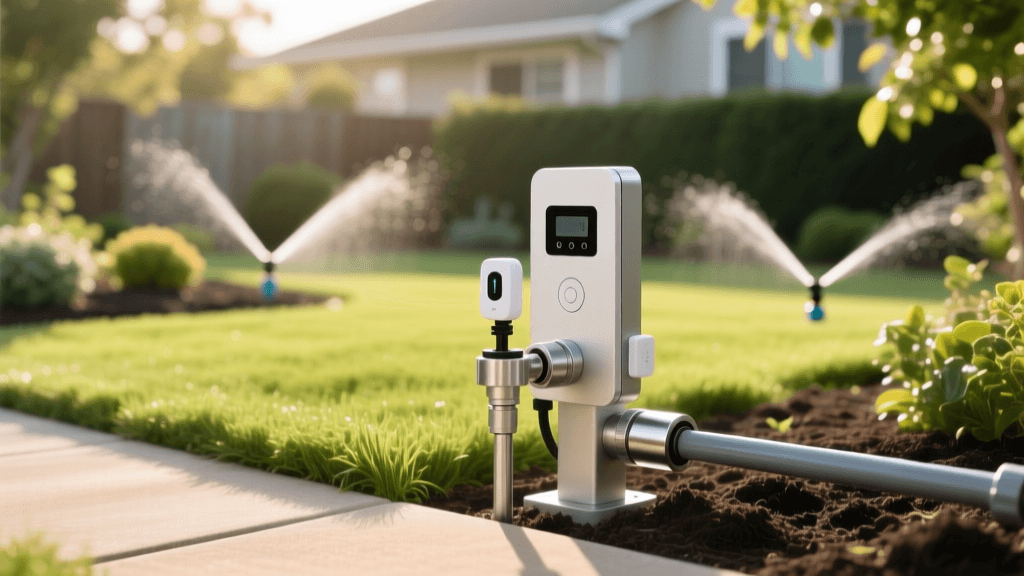
Before evaluating the costs, it is essential to understand what you are paying for. A traditional irrigation controller operates on a rigid, pre-set schedule, watering your lawn whether it is 95 degrees and sunny or 50 degrees and pouring rain. In contrast, smart irrigation controllers adjust watering schedules dynamically based on real-time environmental data.
There are two primary types of smart controllers:
- Weather-Based (ET) Controllers: These connect to your home Wi-Fi and pull local weather data to calculate Evapotranspiration (ET) rates. They automatically skip watering if rain is in the forecast or increase run times during extreme heat waves. Popular models include the Rachio 3 and the Orbit B-hyve.
- Soil Moisture Sensor Controllers: These rely on physical sensors buried in the root zone of your lawn or garden beds. They only trigger the sprinkler valves when the soil moisture drops below a specific threshold, providing hyper-accurate watering based on actual ground conditions rather than weather forecasts.
According to the Environmental Protection Agency (EPA), outdoor water use accounts for nearly 30 percent of total household water consumption, and can exceed 60 percent in arid regions during the summer. Upgrading to a smart system directly targets this massive utility expense.
Smart Irrigation Cost Breakdown
The cost of a smart irrigation system depends heavily on the number of zones your yard requires and whether you choose a DIY installation or hire a professional landscaping company. Below is a detailed breakdown of average market prices for top-tier smart irrigation hardware.
| Component | Product Examples | Average Cost Range |
|---|---|---|
| Smart Controller (4 to 8 Zones) | Orbit B-hyve, Wyze Sprinkler | $90 - $150 |
| Smart Controller (8 to 16 Zones) | Rachio 3, Hunter Hydrawise Pro-HC | $180 - $350 |
| Soil Moisture Sensors (Add-on) | Rain Bird SMRT-Y, Hunter Soil-Clik | $60 - $120 per sensor |
| Smart Flow Meter | Rachio Flow Meter, Hunter HC Flow | $75 - $150 |
| Professional Installation Labor | Licensed Irrigation Contractor | $150 - $350 flat rate |
For a standard suburban lawn with eight irrigation zones, a homeowner can expect to pay roughly $230 for a premium controller like the Rachio 3. If you hire a professional to remove the old clock timer, wire the new smart controller, and configure the app, the total out-of-pocket cost will hover around $450 to $550.
Hidden Costs and Accessories to Consider
When budgeting for a smart home irrigation upgrade, homeowners often overlook a few peripheral costs that can impact the final bill.
1. Wi-Fi Range Extenders
Most smart controllers require a 2.4GHz Wi-Fi connection. Because irrigation controllers are typically located in garages, basements, or outdoor utility sheds, your home router's signal may not reach them. A reliable outdoor-rated Wi-Fi extender or mesh network node can cost an additional $40 to $100.
2. Smart Flow Meters
While optional, a smart flow meter is highly recommended. Installed on the main irrigation line, this device monitors water usage in real-time and will automatically shut off the system if it detects a massive spike in water flow, indicating a broken pipe or a severed sprinkler head. This can save you thousands of dollars in potential water damage and utility spikes.
3. Seasonal Winterization
Smart controllers do not eliminate the need for seasonal maintenance. If you live in a climate with freezing winters, you will still need to pay for an annual sprinkler blow-out service, which typically costs between $75 and $150 depending on the number of zones. The smart controller simply makes it easier to winterize the system via an app with a single tap.
ROI and Water Savings: Does It Pay Off?
The primary financial argument for a smart irrigation system is water conservation. Traditional timers are notorious for overwatering, which not only wastes money but also promotes shallow root growth, fungal diseases, and nutrient runoff.
The United States Geological Survey (USGS) notes that landscape irrigation accounts for nearly one-third of all residential water use nationwide. By switching to a weather-based smart controller, the EPA estimates that homeowners can save an average of 20 to 50 percent on their outdoor water usage.
Calculating Your Payback Period
Let us look at a practical scenario. Assume your summer water bill averages $120 per month, with 60 percent of that ($72) attributed to outdoor irrigation.
- Monthly Irrigation Cost: $72
- Conservative Savings (30%): $21.60 per month
- 4-Month Summer Season Savings: $86.40
At a savings rate of $86.40 per year, a $230 smart controller will pay for itself in roughly 2.6 years. However, this calculation does not account for the potential prevention of lawn replacement costs due to overwatering, nor does it factor in local utility rebates, which can drastically accelerate your ROI.
Municipal Rebates and Incentives
Because water conservation is a critical infrastructure priority, many local water municipalities and utility districts offer aggressive rebate programs for upgrading to smart irrigation. The EPA WaterSense Water-Smart Landscapes initiative actively encourages local governments to incentivize the removal of inefficient clock timers.
Depending on your zip code, rebates for a WaterSense-labeled smart controller typically range from $50 to $150. Some municipalities in drought-prone areas like California, Texas, and Arizona will cover up to 100 percent of the hardware cost, effectively making the smart controller free. Always check with your local water provider before purchasing, as many require you to submit the rebate application prior to installation.
DIY vs. Professional Installation
One of the most appealing aspects of modern smart controllers is how accessible they are for DIY enthusiasts. Replacing an old irrigation timer is a low-voltage project (typically 24V AC), which is entirely safe for homeowners to handle without an electrician.
When to DIY
If your existing irrigation valves and wiring are in good condition, swapping the controller is as simple as taking a photo of the existing wire configuration, disconnecting them, mounting the new smart backplate, and reattaching the wires to the corresponding zone terminals. The accompanying smartphone apps for brands like Rachio and Orbit feature step-by-step wizards that walk you through naming your zones, selecting soil types, and inputting plant varieties.
When to Hire a Professional
You should hire a licensed irrigation contractor if your current system suffers from underlying issues. A professional is necessary if:
- Your sprinkler heads are mismatched (e.g., mixing rotary nozzles with traditional spray heads on the same zone), which ruins the efficiency of a smart schedule.
- You need to install a master valve or a smart flow meter, which requires cutting into the main PVC water line.
- Your existing wiring is degraded, causing zone faults that a smart controller's diagnostic tools will flag but cannot physically repair.
Final Thoughts on Smart Irrigation Pricing
Investing in a smart irrigation system is one of the most cost-effective home and garden upgrades you can make. With hardware costs ranging from $100 to $350 and professional installation adding another $150 to $350, the initial barrier to entry is relatively low compared to other smart home or landscaping projects.
When you factor in the 20 to 50 percent reduction in outdoor water usage, the availability of municipal rebates, and the sheer convenience of managing your lawn care from your smartphone, the ROI is undeniable. Not only will you protect your local water supply and the environment, but you will also ensure your lawn receives the precise amount of hydration it needs to thrive in any season.