Smart Irrigation System Costs: Installation & Savings Guide
The True Cost of Smart Lawn Irrigation
Maintaining a lush, green lawn is a cornerstone of home and garden pride, but it often comes with a hidden tax: exorbitant water bills. As homeowners increasingly look to bridge the gap between outdoor landscaping and smart home technology, smart irrigation systems have emerged as a premier solution. But what does it actually cost to upgrade from a traditional timer to a weather-based, Wi-Fi-enabled smart controller? In this comprehensive pricing guide, we break down the equipment costs, installation fees, and long-term return on investment (ROI) of smart irrigation systems.
What Makes an Irrigation System "Smart"?
Unlike standard clock-based timers that water your lawn on a rigid schedule regardless of the weather, smart irrigation controllers adjust watering based on real-time environmental data. According to the EPA's WaterSense program, outdoor water use accounts for nearly a third of total household water use, and up to 50% of that water is wasted due to overwatering and inefficient systems. Smart controllers combat this waste by utilizing local weather data, soil moisture levels, and evapotranspiration (ET) rates to deliver the exact amount of water your turf needs.
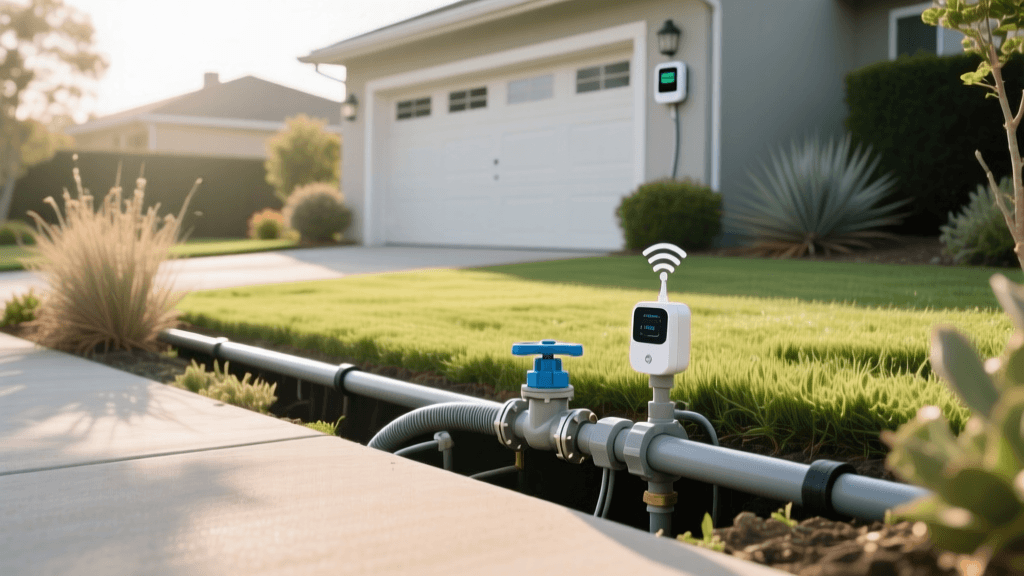
Popular smart home integrations like the Rachio 3, Orbit B-hyve XR, and Hunter PRO-HC connect directly to your home's Wi-Fi network. This allows you to control your sprinkler zones from your smartphone, receive freeze or rain alerts, and integrate with voice assistants like Amazon Alexa or Google Home.
Breaking Down Equipment Costs
The upfront cost of a smart irrigation system depends heavily on the number of zones your yard requires and the tier of technology you choose. Most residential lawns (between 5,000 and 10,000 square feet) require 6 to 8 irrigation zones.
Smart Controllers
- Entry-Level Smart Controllers (4-6 Zones): Models like the Orbit B-hyve (indoor/outdoor) typically range from $100 to $150. These offer basic Wi-Fi connectivity and weather-based adjustments.
- Mid-Range Controllers (8-16 Zones): The Rachio 3 Smart Sprinkler Controller is an industry favorite, costing between $230 and $280. It features hyper-local weather intelligence, flow meter compatibility, and seamless smart home integration.
- Premium/Commercial Controllers: Systems like the Hunter PRO-HC with Hydrawise software can cost $250 to $350, offering advanced flow monitoring and detailed water usage reporting.
Sensors and Accessories
While many smart controllers rely on internet-based weather data, adding physical sensors ensures hyper-accurate watering.
- Rain/Freeze Sensors: Costing $35 to $60, these hardwired or wireless sensors interrupt the system if precipitation or freezing temperatures occur.
- Soil Moisture Sensors: Ranging from $80 to $150, these are buried in the root zone of your lawn to measure actual soil hydration, preventing the system from running if the ground is already saturated.
- Flow Meters: Priced between $100 and $200, flow meters attach to your mainline to detect leaks and measure exact water usage per zone.
Professional Installation vs. DIY Costs
If you are retrofitting an existing sprinkler system, replacing a traditional timer with a smart controller is a highly manageable DIY project. It typically involves turning off the power, labeling your existing zone wires, disconnecting them from the old clock, and wiring them into the new smart terminal. This DIY route costs $0 in labor.
However, if you are installing a brand-new irrigation system from scratch, or if you need to install complex soil moisture sensors and flow meters, hiring a licensed irrigation professional is recommended. According to industry data tracked by the Irrigation Association, proper design and installation are critical for water efficiency. Professional labor for a full system installation averages $1,500 to $3,500, while a professional retrofit (wiring a new smart controller and burying sensors) typically costs $250 to $500.
Cost Comparison: Traditional vs. Smart Systems
The following table illustrates the estimated first-year costs and ongoing annual water expenses for an average 8-zone residential lawn in a moderate climate.
| System Type | Equipment Cost | Installation Labor | Estimated Annual Water Cost |
|---|---|---|---|
| Traditional Clock Timer | $40 - $80 | $150 - $300 (Retrofit) | $600 - $900 |
| Basic Smart Controller | $120 - $160 | $0 (DIY) / $250 (Pro) | $450 - $650 |
| Premium Smart + Sensors | $300 - $450 | $0 (DIY) / $400 (Pro) | $350 - $500 |
Note: Annual water costs vary wildly based on local utility rates, regional rainfall, and turf type.
Calculating the ROI: Water Savings and Utility Rebates
The primary financial argument for a smart irrigation system is the reduction in your monthly water bill. By eliminating unnecessary watering cycles after rainstorms and adjusting for seasonal temperature shifts, smart controllers typically reduce outdoor water usage by 20% to 40%. For a homeowner spending $800 a year on outdoor water use, a 30% reduction yields $240 in annual savings. At this rate, a $250 premium smart controller pays for itself in just over a year.
Furthermore, the ROI is often accelerated by local utility rebates. Many municipal water districts and regional conservation authorities offer rebates to incentivize water-saving technology. It is not uncommon to find rebate programs that cover 50% to 100% of the purchase price of a WaterSense-labeled smart controller. Homeowners should consult their local water provider's website or the Alliance for Water Efficiency rebate database to check for active incentives in their zip code before purchasing.
Bridging Indoor and Outdoor Living: Smart Home Integration
Modern smart irrigation controllers do more than just save water; they integrate seamlessly into your broader smart home ecosystem. By linking your sprinkler system to platforms like Apple HomeKit, Google Home, or Amazon Alexa, you can create automated routines that bridge indoor and outdoor living. For example, you can set a geofencing trigger that pauses your sprinklers if you open your back patio doors for an outdoor dinner party. Additionally, integrating your irrigation system with smart home energy dashboards allows you to track your outdoor water consumption alongside your indoor electricity and gas usage, providing a holistic view of your home's overall environmental footprint and utility costs. This level of integration transforms a mundane outdoor chore into a streamlined, automated component of your smart home, enhancing both convenience and property value.
Hidden Costs and Long-Term Maintenance
While smart systems save money on water, they do introduce minor maintenance considerations:
- Wi-Fi Connectivity Issues: If your router changes passwords or your internet goes down, the controller may default to a conservative watering schedule or require manual reconfiguration.
- Sensor Battery Replacements: Wireless rain and soil sensors require periodic battery replacements (usually AA or specialized lithium batteries) every 1 to 3 years, costing about $10 to $20 per cycle.
- Winterization: In freezing climates, smart controllers and above-ground sensors must be properly winterized. While the controller itself is usually housed in a garage or weatherproof box, external sensors must be protected or removed to prevent cracking, which adds a minor seasonal maintenance step.
- Subscription Fees: Fortunately, the vast majority of top-tier residential smart controllers (like Rachio and Orbit) do not charge monthly subscription fees. However, some advanced commercial flow-monitoring services may require a small annual software license.
Final Verdict: Is the Upgrade Worth It?
For homeowners invested in the health of their lawn and the efficiency of their home's infrastructure, a smart irrigation system is an undeniable asset. The upfront equipment cost of $150 to $300 is quickly offset by utility rebates and year-over-year water savings. Beyond the financial benefits, the convenience of managing your garden's hydration from your smartphone, combined with the environmental responsibility of conserving municipal water supplies, makes smart irrigation one of the highest-ROI upgrades in modern landscape maintenance. Whether you are a DIY enthusiast or prefer to hire a certified contractor, transitioning to a smart system is a definitive step toward a more sustainable, cost-effective home and garden ecosystem.