Smart Irrigation System Costs and Water Savings Guide
The True Cost of Smart Irrigation: Pricing, Savings, and ROI
The modern home garden is no longer just about selecting the right grass seed or arranging outdoor patio furniture; it is increasingly about bridging indoor convenience with outdoor efficiency. As homeowners look to integrate smart home technology into their seasonal maintenance routines, smart irrigation systems have emerged as one of the most impactful upgrades available. But before you rip out your old mechanical timer, you need to understand the financial commitment. How much does a smart sprinkler system actually cost, and more importantly, how long will it take for the water savings to pay for the initial investment?
In this comprehensive pricing guide, we break down the equipment costs, labor fees, and long-term return on investment (ROI) of upgrading to a smart irrigation controller, helping you make an informed decision for your lawn and garden.
What is a Smart Irrigation System?
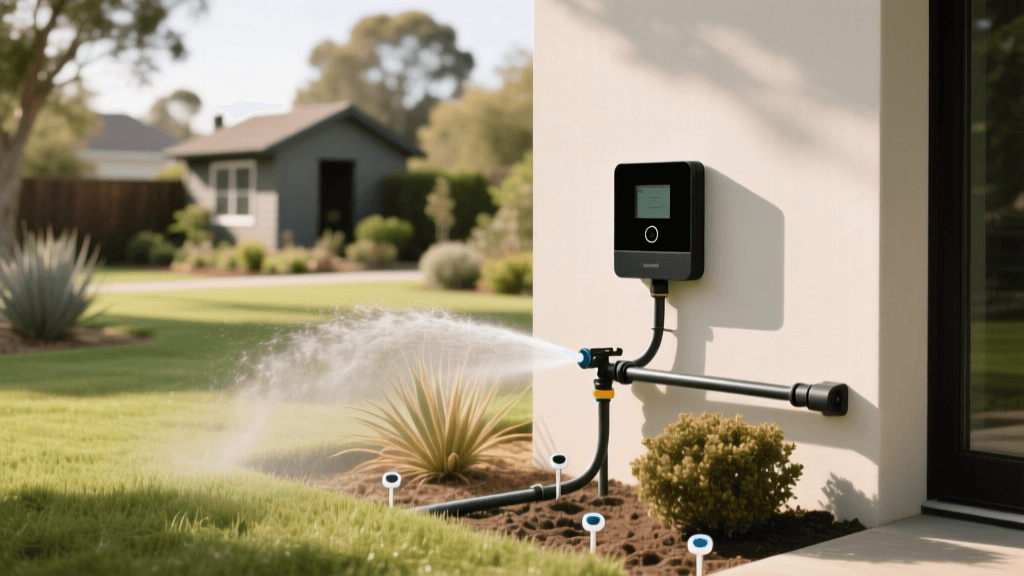
Unlike traditional sprinkler timers that operate on a rigid, pre-set schedule regardless of the weather, smart irrigation controllers use real-time data to adjust watering cycles automatically. They bridge the gap between your home's Wi-Fi network and your outdoor landscaping, ensuring your lawn receives exactly the amount of water it needs—no more, no less.
Types of Smart Controllers
- Weather-Based Controllers (WBCs): These connect to local weather stations via Wi-Fi to adjust watering based on evapotranspiration (ET) rates, rainfall, humidity, and temperature. Popular models include the Rachio 3 and Hunter Pro-HC.
- Soil Moisture Sensor Controllers: These rely on physical sensors buried in the root zone of your lawn or garden beds. They measure the actual volumetric water content in the soil and only trigger the sprinklers when moisture drops below a specific threshold.
- Hybrid Systems: Many premium systems combine Wi-Fi weather data with localized soil moisture sensors for ultra-precise irrigation management.
Smart Irrigation Cost Breakdown
The total cost of upgrading to a smart irrigation system depends on the size of your property, the number of irrigation zones, and whether you choose a DIY installation or hire a licensed professional. Below is a detailed breakdown of average market pricing for 2024.
| Component / Service | Average Cost Range | Details & Considerations |
|---|---|---|
| Smart Wi-Fi Controller | $150 - $350 | Price varies by zone capacity (8-zone vs. 16-zone) and brand. |
| Soil Moisture Sensors | $50 - $150 per sensor | Recommended for garden beds or shaded areas with unique water needs. |
| Weather / Rain Sensors | $30 - $80 | Often included with premium Wi-Fi controllers, but standalone options exist. |
| Smart Sprinkler Valves | $20 - $45 each | Required if upgrading from manual valves to a fully automated smart system. |
| Professional Labor | $65 - $125 per hour | Most controller swaps take 1 to 2 hours; full system overhauls take longer. |
| Total Average Project Cost | $250 - $850 | For a standard 1/4-acre lawn (6 to 8 zones) including parts and labor. |
DIY Installation vs. Professional Hiring
One of the most appealing aspects of modern smart controllers (like the Orbit B-hyve or Rachio) is their DIY-friendly design. If you are simply swapping out an existing traditional timer for a smart Wi-Fi controller, the process is remarkably straightforward.
The DIY Route (Cost: $150 - $350)
If your current irrigation system is in good working order and you simply want to upgrade the 'brain' of the operation, you can easily do this yourself. The process involves taking a photo of your existing wiring, disconnecting the old unit, mounting the new smart controller, and matching the wires to the new terminals. Most Wi-Fi controllers come with step-by-step app-based wizards that make configuration a breeze. This route saves you $100 to $250 in labor costs.
Professional Installation (Cost: $350 - $850+)
You should hire a certified irrigation technician if your current system lacks a common wire (C-wire), if you need to install new soil moisture sensors that require trenching, or if your existing valves and sprinkler heads need upgrading to high-efficiency rotary nozzles. According to the Irrigation Association, hiring a certified professional ensures that your system is audited for uniform water distribution, preventing dry spots and water waste.
Water Savings and Return on Investment (ROI)
The primary financial justification for a smart irrigation system is the reduction in your monthly water bill. Outdoor water use accounts for nearly 30% to 60% of total household water consumption, depending on your climate zone. Overwatering is a common issue with traditional timers, leading to shallow root growth, fungal diseases, and massive financial waste.
According to the EPA WaterSense program, weather-based smart irrigation controllers can reduce outdoor water use by 20% to 50% compared to conventional clock-based timers. For a home with a 5,000-square-foot lawn in a region with high summer water rates, this can translate to significant savings.
Calculating Your ROI
Let's look at a practical example. Suppose your summer water bill typically spikes by $120 a month due to lawn irrigation (an extra $360 over a three-month summer). If a smart controller reduces your outdoor water usage by 35%, you save roughly $42 per month, or $126 over the summer. If you spent $300 on a DIY smart controller installation, your system will pay for itself in just over two watering seasons. After that, the water savings represent pure profit in your home maintenance budget.
Pro Tip: To maximize your ROI, pair your smart controller with EPA WaterSense-labeled rotary sprinkler nozzles. These nozzles apply water at a slower rate, allowing it to soak deep into the soil rather than running off into the street.
Smart Home Integration and Convenience
Beyond water conservation, smart irrigation systems offer unparalleled convenience by integrating with your broader smart home ecosystem. Modern controllers easily connect to platforms like Amazon Alexa, Google Home, and Apple HomeKit. This means you can use voice commands to pause your sprinklers if you are about to host an outdoor dinner party on your patio.
Furthermore, advanced geofencing features allow the system to detect when you are away on vacation, automatically adjusting watering schedules or sending leak-detection alerts directly to your smartphone. If a pipe bursts while you are out of town, the smart controller can shut off the main water supply (if equipped with a smart shut-off valve), potentially saving you thousands of dollars in landscape and foundation damage.
Don't Forget: Rebates and Utility Incentives
Before you purchase a smart controller, check with your local municipal water provider. Because smart irrigation drastically reduces the strain on municipal water treatment facilities during peak summer months, many local utilities offer aggressive rebate programs. It is incredibly common for water districts to offer rebates ranging from $50 to $150—or even covering 100% of the cost—when you purchase an EPA WaterSense-certified smart controller. Always check your local utility's conservation webpage before checking out at the hardware store.
Seasonal Maintenance and Winterization Costs
While smart controllers reduce daily maintenance, they do not eliminate the need for seasonal care. In freezing climates, your smart irrigation system must be properly winterized to prevent cracked pipes and ruined valves. A professional sprinkler blowout typically costs between $50 and $150 in the autumn. In the spring, a system start-up and head-alignment check will cost a similar amount. Factor in roughly $100 to $250 annually for professional seasonal maintenance to keep your smart system operating flawlessly year after year.
Final Verdict: Is a Smart Irrigation System Worth the Cost?
For the vast majority of homeowners, the answer is a resounding yes. The upfront cost of $250 to $500 for a DIY smart controller upgrade is quickly offset by the 20% to 50% reduction in outdoor water usage. Beyond the financial ROI, the environmental benefits of conserving municipal water, combined with the convenience of app-based control and smart home integration, make it one of the most valuable outdoor upgrades you can make. By investing in smart irrigation, you are not just buying a sprinkler timer; you are investing in a healthier, more resilient lawn and a more intelligent, energy-efficient home.