Smart Irrigation vs Traditional Sprinklers Cost Guide
Bridging the Gap: Smart Home Tech Meets Lawn Care
As homeowners increasingly look to bridge the gap between indoor convenience and outdoor living, the modern lawn is getting a high-tech upgrade. Energy-efficient landscaping and smart home integration are no longer just buzzwords; they are practical investments that save time, money, and vital natural resources. When it comes to maintaining a lush, green yard, irrigation is your largest ongoing expense and environmental footprint. This brings up a common dilemma for property owners: should you stick with a traditional timer-based sprinkler system, or invest in a smart irrigation controller?
In this comprehensive pricing guide, we will break down the exact costs of traditional versus smart irrigation systems. From initial installation and equipment pricing to long-term water savings and hidden maintenance fees, you will learn exactly what to budget for your landscape's hydration needs.
The True Cost of Traditional Sprinkler Systems
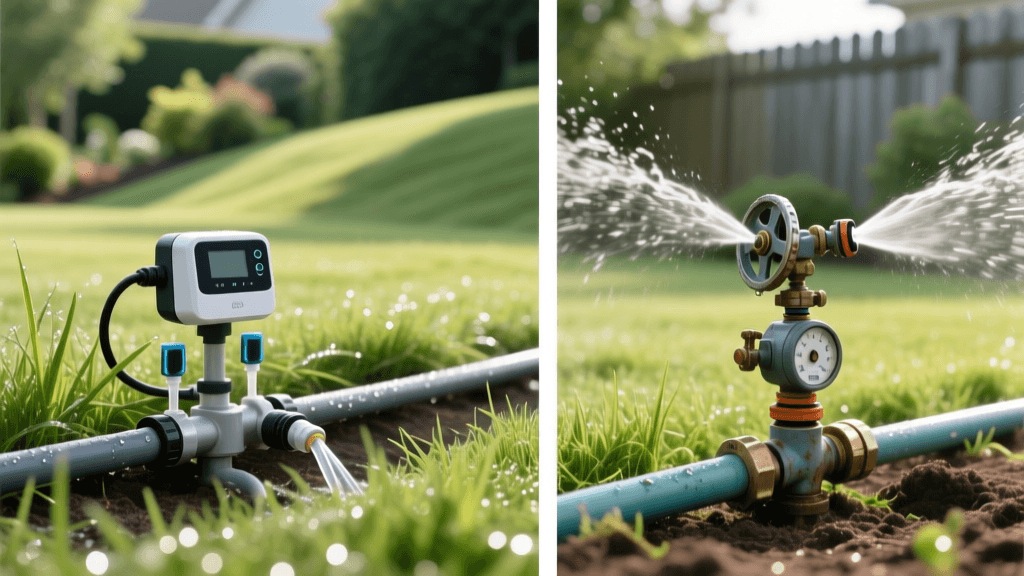
Traditional sprinkler systems rely on a basic digital or mechanical timer. You set the schedule (e.g., 15 minutes per zone, three times a week), and the system runs regardless of the weather. While the upfront technology cost is lower, the long-term operational costs can quietly drain your wallet.
Installation and Equipment Breakdown
For a standard 5,000-square-foot lawn requiring a 4-to-6-zone system, professional installation of a traditional underground sprinkler system typically ranges from $2,500 to $4,500. This price includes trenching, PVC or polyethylene piping, standard pop-up spray heads, rotary nozzles, and a basic timer box.
- Per Zone Cost: $500 to $850 per zone.
- Basic Timer/Controller: $50 to $150.
- Backflow Preventer: $150 to $300 (required by most local plumbing codes).
Ongoing Maintenance and Water Bills
Traditional systems require seasonal maintenance to prevent pipe bursts and ensure even coverage. According to home service cost data tracked by platforms like Angi, homeowners should budget for the following annual traditional system maintenance costs:
- Spring Startup: $75 to $150 (pressurizing the system, checking heads, programming the timer).
- Fall Winterization: $50 to $150 (blowing out the lines with an air compressor to prevent freezing).
- Mid-Season Adjustments: $75 to $125 per visit to fix misaligned heads or replace clogged nozzles.
Furthermore, because traditional timers do not account for rain or humidity, they frequently overwater. This can lead to a 20% to 30% spike in your summer municipal water bill compared to a weather-responsive system.
Investing in Smart Irrigation Technology
Smart irrigation systems replace the 'set-it-and-forget-it' mentality with data-driven precision. These systems connect to your home's Wi-Fi network and use real-time local weather data, evapotranspiration (ET) rates, and soil moisture levels to water your lawn only when absolutely necessary.
Smart Controllers and Sensor Pricing
If you already have an underground sprinkler system, you do not need to dig up your yard to go smart. You can simply retrofit your existing setup with a smart controller. Popular models like the Rachio 3, Orbit B-hyve, or Hunter Hydrawise range in price based on the number of zones they support.
- 8-Zone Smart Controller: $150 to $230.
- 16-Zone Smart Controller: $230 to $350.
- Wireless Soil Moisture Sensors: $50 to $120 per sensor (highly recommended for shaded vs. sunny yard microclimates).
- Smart Flow Meters: $100 to $150 (detects leaks and automatically shuts off the water to prevent flooding).
Full Smart System Installation
If you are starting from scratch and want a fully integrated smart system installed by a professional, expect to pay a premium for the advanced hardware and the labor required to calibrate the smart sensors. A complete smart irrigation install for a 5,000-square-foot lawn generally costs between $3,200 and $5,500. The Irrigation Association notes that certified professionals are often required to properly calibrate ET-based controllers to ensure compliance with local water restrictions and optimal turf health.
Head-to-Head Cost Comparison
To help you visualize the financial impact, here is a direct comparison of traditional versus smart irrigation systems for an average suburban lawn.
| Feature | Traditional Sprinkler System | Smart Irrigation System |
|---|---|---|
| Initial Installation (New) | $2,500 - $4,500 | $3,200 - $5,500 |
| Controller Upgrade Cost | $50 - $150 | $150 - $350 |
| Annual Maintenance | $150 - $300 | $150 - $300 |
| Water Bill Impact | High (frequent overwatering) | Low (up to 30% savings) |
| Smart Home Integration | None | Alexa, Google Home, IFTTT |
| ROI Timeline | N/A | 2 to 4 Years |
Long-Term ROI, Water Efficiency, and Rebates
The primary financial argument for smart irrigation is water conservation. The EPA's WaterSense program reports that smart irrigation controllers can save the average home nearly 7,600 gallons of water annually. In regions with high municipal water rates or tiered drought pricing, this translates to $100 to $250 in utility savings every single year.
'Upgrading to a WaterSense labeled smart irrigation controller is one of the most effective ways a homeowner can reduce outdoor water use without sacrificing landscape health.' — EPA WaterSense
Additionally, many local water municipalities and utility companies offer cash rebates to incentivize water-efficient landscaping. It is incredibly common to find rebates ranging from $50 to $150 for installing a Wi-Fi-enabled, weather-based controller. Always check with your local water provider before purchasing, as these rebates can effectively cut the cost of a smart controller upgrade in half.
Hidden Costs and Smart Home Integration
While smart systems offer incredible convenience, bridging the gap between your outdoor landscape and your indoor smart home network does come with a few hidden costs to consider:
- Wi-Fi Range Extenders: Irrigation controllers are usually installed in the garage, basement, or on an exterior wall. If your home router does not reach the controller, you may need to purchase a Wi-Fi extender or mesh network node ($40 to $100) to keep the system online.
- Subscription Fees: While most major smart controllers offer free basic weather intelligence, some advanced commercial-grade features or detailed historical water usage analytics require a premium subscription ($2 to $5 per month).
- Sensor Battery Replacements: Wireless soil moisture and freeze sensors run on batteries that typically need replacing every 1 to 2 years.
- Landscaping Repair: If you are adding soil moisture sensors to an existing lawn, the installer will need to dig small trenches to run the low-voltage sensor wires back to the main controller, which may require minor sod repair or reseeding.
DIY vs. Professional Installation
If you are looking to save money on labor, the route you take depends heavily on your current setup.
DIY Controller Retrofit: If you already have a working traditional system, swapping the old timer for a smart controller is a highly accessible DIY project. It requires basic wiring skills (matching colored zone wires to the new terminal block) and takes about 30 to 60 minutes. This saves you the $100 to $200 a professional would charge for a service call.
DIY Full System Install: Digging trenches, laying PVC pipe, gluing fittings, and tapping into your home's main water line is backbreaking work. Furthermore, hitting an underground gas or fiber-optic line can be catastrophic and incredibly expensive. Always call 811 before digging, and leave full system installations to licensed and insured irrigation contractors.
Final Verdict: Which System is Right for Your Budget?
If you are installing a brand-new irrigation system, the marginal upfront cost of adding a smart controller (roughly $150 to $200 more than a basic timer) is an absolute no-brainer. The water savings alone will pay for the upgrade within the first two to three watering seasons, while the smart home integration allows you to manage your lawn care from your smartphone, whether you are in the garden or on vacation.
However, if you are strictly budgeting for a temporary rental property or a very small lawn where water bills are negligible, a traditional timer system remains a reliable, low-tech workhorse. Ultimately, investing in smart irrigation is an investment in energy-efficient landscaping that protects both your wallet and the local watershed.