The Ultimate Spring Lawn Care Schedule for Cool-Season Grass
Introduction to Cool-Season Spring Lawn Care
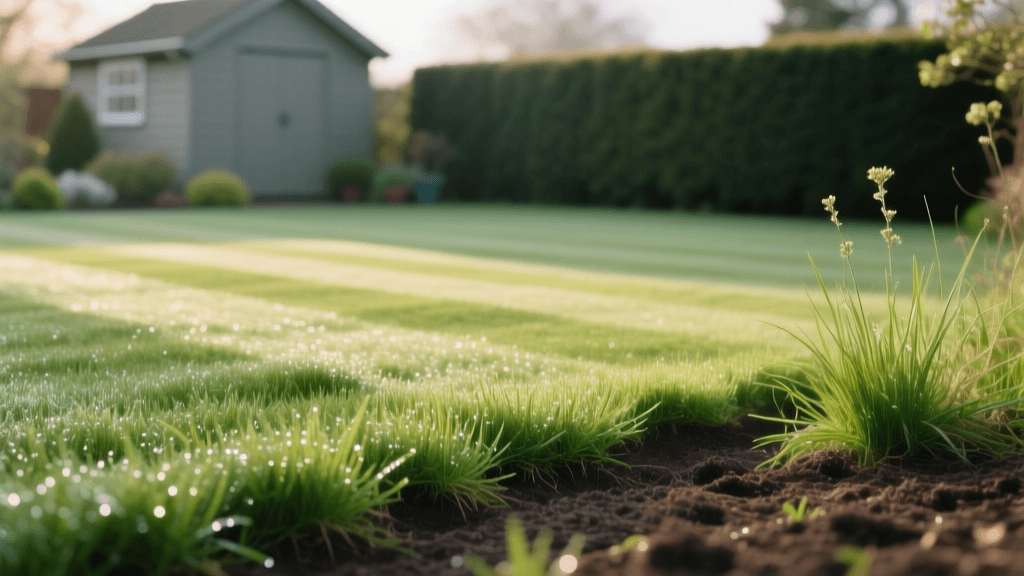
Spring is the most critical season for establishing a vibrant, resilient lawn, especially for homeowners managing cool-season grasses like Kentucky Bluegrass, Tall Fescue, and Perennial Ryegrass. Unlike warm-season varieties that thrive in the peak heat of summer, cool-season grasses experience their most vigorous root and blade growth during the moderate temperatures of spring and fall. However, a common mistake many homeowners make is rushing into aggressive fertilization and heavy watering too early in the season. This can lead to shallow root systems, increased susceptibility to summer drought stress, and severe fungal diseases. To achieve a lush, carpet-like lawn that bridges your indoor comfort with your outdoor living spaces, timing is everything. This comprehensive spring lawn care checklist and schedule will guide you through the exact steps, soil temperatures, and product recommendations needed to transition your lawn from winter dormancy to peak summer health. By integrating smart home irrigation technology and following a science-backed timeline, you can conserve water, reduce chemical runoff, and cultivate a stunning outdoor oasis.
Phase 1: Early Spring (March to Early April) - The Awakening
Early spring is all about assessment, cleanup, and preparation. During this window, soil temperatures are typically hovering between 45°F and 50°F. Your primary goal is to remove winter debris and evaluate the soil's health without stimulating premature, weak top-growth.
Debris Removal and Thatch Evaluation
Begin by thoroughly raking your lawn to remove fallen branches, dead leaves, and any snow mold that may have developed over the winter. This process, often called 'power raking' or aggressive raking, helps improve air circulation and allows sunlight to reach the soil surface. While raking, check your thatch layer. Thatch is the spongy layer of organic matter between the soil and the grass blades. If it exceeds 0.5 inches in thickness, it will block water and nutrients from reaching the root zone. While core aeration is best reserved for early fall, you can perform light dethatching in early spring if absolutely necessary, though you must be cautious not to damage emerging crowns.
Soil Testing and Amendment
Before applying any fertilizers or lime, you must understand your soil's baseline chemistry. According to the University of Minnesota Extension, routine soil testing is the foundation of an efficient lawn care program. You can purchase a DIY soil test kit at your local garden center for $15 to $30, or send a sample to your local university cooperative extension for a more detailed analysis. If your soil pH is below 6.0, apply pelletized calcitic lime at a rate of 25 to 50 pounds per 1,000 square feet to raise the pH and unlock trapped nutrients. If your soil is heavily compacted clay, consider top-dressing with a thin layer of organic compost to improve microbial activity.
Phase 2: Mid-Spring (Mid-April to May) - Growth and Protection
As soil temperatures consistently reach 50°F to 55°F at a 2-inch depth, your cool-season grass will begin its rapid spring green-up. This is also the exact temperature threshold that triggers the germination of crabgrass and other invasive annual weeds. Your mid-spring checklist focuses on pre-emergent weed control, the first mow, and light, organic feeding.
Pre-Emergent Herbicide Application
To prevent crabgrass before it starts, apply a pre-emergent herbicide when forsythia bushes begin to drop their yellow blooms, or when soil temperatures hit 55°F. Active ingredients like Prodiamine (found in Prodiamine 65 WDG) or Dithiopyr (found in Dimension) are highly effective. A 5-pound bag of Prodiamine typically costs between $50 and $80 and can treat up to an acre, making it incredibly cost-effective for larger properties. Apply the granular or liquid product evenly using a broadcast or pump sprayer, and water it in with roughly 0.25 inches of irrigation to activate the chemical barrier in the top inch of the soil. Note: Do not apply pre-emergents if you plan to overseed in the spring, as these products will prevent grass seed from germinating as well.
The First Mow and Blade Maintenance
For the first mow of the season, set your mower deck slightly lower than your target summer height—around 2.5 inches. This helps scalp the lawn slightly, removing dormant, brown tips and allowing the sun to warm the soil faster. Immediately after the first mow, sharpen or replace your mower blades. A dull blade tears the grass tissue, leaving a jagged, white tip that loses moisture rapidly and invites fungal pathogens. Professional sharpening usually costs $15 to $25, or you can purchase a replacement mulching blade for $20 to $35. For the remainder of the spring, adhere strictly to the 'one-third rule': never remove more than one-third of the grass blade in a single mowing session.
Light, Organic Fertilization
Heavy synthetic nitrogen applications in the spring force the grass to produce rapid, lush top-growth at the expense of deep root development. Instead, opt for a slow-release, organic fertilizer like Milorganite (6-4-0) or a specialized humic acid blend. These products feed the soil microbiome, which in turn feeds the grass steadily over several weeks without causing a massive flush of growth that requires mowing every three days.
Phase 3: Late Spring (Late May to Early June) - Deep Root Prep
As summer approaches, daytime temperatures begin to rise, and cool-season grasses naturally start to slow their growth in preparation for summer stress. The late spring schedule shifts focus to broadleaf weed control, grub prevention, and establishing a deep watering routine.
Post-Emergent Weed Control
Despite your best efforts with pre-emergents, broadleaf weeds like dandelions, clover, and plantain will inevitably emerge. Spot-treat these weeds using a selective, post-emergent herbicide containing 2,4-D, Dicamba, or Quinclorac. The University of California Statewide Integrated Pest Management Program emphasizes that targeted spot-spraying is vastly superior to broadcast applications, as it minimizes chemical exposure and protects beneficial insects. Apply these herbicides when temperatures are between 65°F and 85°F, and avoid spraying on windy days to prevent herbicide drift onto your garden beds or vegetable patches.
Preventative Grub Control
If your lawn suffered from grub damage in the previous fall, or if you live in an area with heavy Japanese Beetle or June Bug populations, late spring is the time to apply a preventative grub control product. Look for active ingredients like Chlorantraniliprole (GrubEx), which is highly effective and safe for pollinators when applied according to label directions. Apply in late May to early June and water it in thoroughly so the active ingredient reaches the root zone where young grubs will begin feeding in mid-summer.
Smart Home Integration: Optimizing Irrigation for Water Conservation
Bridging the gap between traditional lawn care and modern smart home technology is one of the most effective ways to maintain a healthy landscape while reducing your utility bills. According to the Environmental Protection Agency (EPA), outdoor water use accounts for nearly 30% of total household water consumption, much of which is wasted due to inefficient irrigation schedules. Upgrading to an EPA WaterSense labeled smart irrigation controller, such as the Rachio 3 or Hunter Hydrawise, allows your system to automatically adjust watering schedules based on local evapotranspiration (ET) rates, soil type, and real-time weather forecasts.
In late spring, transition your lawn to a 'deep and infrequent' watering schedule. Instead of watering for 15 minutes every day, aim to deliver 1 to 1.5 inches of water per week, split into two or three sessions. This forces the grass roots to grow deeper into the soil profile in search of moisture, creating a drought-resistant lawn capable of surviving the peak heat of July and August. Use a simple tuna can placed on the lawn to measure exactly how much water your smart sprinkler system is delivering during a set run-time.
Spring Lawn Care Timeline and Checklist
| Timeframe | Soil Temp Target | Primary Action Items | Recommended Products / Tools | Estimated Cost |
|---|---|---|---|---|
| Early Spring (March - Early April) | 45°F - 50°F | Debris cleanup, thatch evaluation, soil testing, lime application. | Thatch rake, Soil test kit, Pelletized Lime | $20 - $60 |
| Mid-Spring (Mid-April - May) | 50°F - 55°F | Pre-emergent application, first mow, blade sharpening, light organic feeding. | Prodiamine 65 WDG, Milorganite, Mower Blade | $70 - $120 |
| Late Spring (Late May - Early June) | 60°F - 65°F | Spot-treat broadleaf weeds, apply preventative grub control, adjust smart irrigation. | Trimec / 2,4-D, Chlorantraniliprole, Smart Controller | $40 - $250 |
Conclusion: Consistency is the Key to a Championship Lawn
A pristine, garden-ready lawn doesn't happen by accident; it is the direct result of a disciplined, science-based schedule. By monitoring soil temperatures rather than relying solely on the calendar, you ensure that every pre-emergent, fertilizer, and watering cycle is applied at the exact moment your cool-season grass can utilize it most effectively. Furthermore, by integrating smart irrigation controllers and utilizing targeted pest management techniques, you are not only protecting your local watershed and ecosystem but also saving valuable time and money. Stick to this checklist, maintain your equipment, and your lawn will provide the perfect, lush green foundation for all your outdoor living and garden-to-table entertaining this summer.