The Ultimate Spring Lawn Care Checklist & Smart Irrigation Guide
Bridging Indoor Comfort and Outdoor Efficiency
As homeowners increasingly look to bridge the gap between indoor living and outdoor landscapes, the modern yard has become a true extension of the home. However, maintaining a lush, vibrant lawn while keeping utility bills in check requires more than just guesswork. It demands a strategic, month-by-month lawn care checklist paired with smart home integration. By aligning your seasonal home maintenance with energy-efficient landscaping practices, you can cultivate a stunning outdoor oasis without wasting precious resources.
According to Penn State Extension's turfgrass management resources, timing is the single most critical factor in lawn health. Applying the right treatments at the wrong time can stunt root growth, waste fertilizer, or invite disease. When you combine precise biological timing with smart irrigation technology, you create a synergistic system that adapts to real-time environmental conditions. This guide will walk you through the ultimate spring lawn care schedule, specifically tailored for cool-season grasses like Kentucky Bluegrass, Tall Fescue, and Perennial Ryegrass, while showing you exactly how to leverage smart irrigation controllers to save water and money.
Early Spring (March): Soil Prep and Smart System Audit
March is a transitional month. The ground is thawing, and your grass is beginning to wake up from winter dormancy. Your primary goal right now is preparation, not aggressive intervention.
Soil Testing and Physical Cleanup
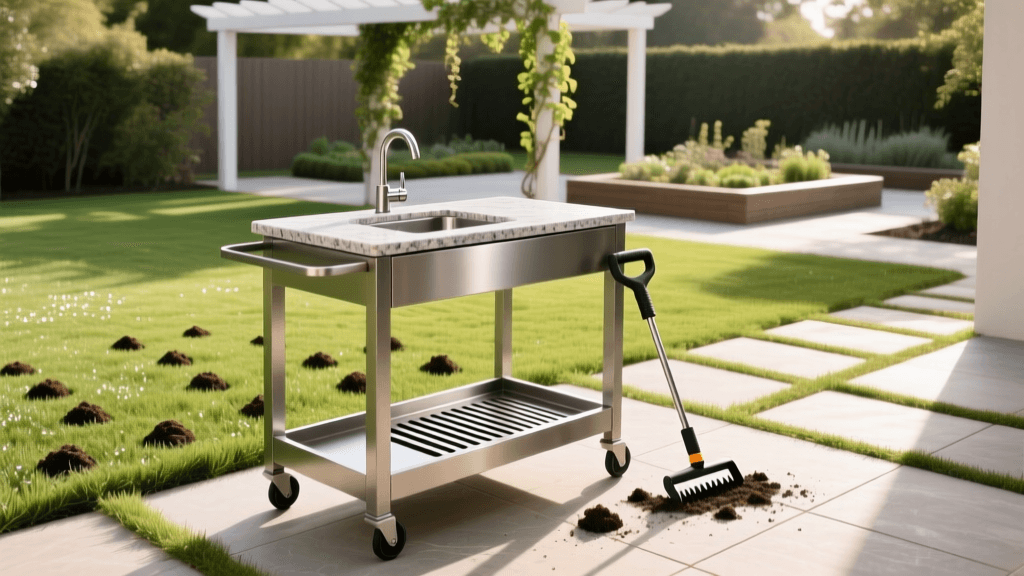
Before applying any amendments, you must understand your soil's baseline. Purchase a comprehensive soil test kit from your local university extension office or a reputable lab like Logan Labs. You are looking for a pH between 6.0 and 7.0. If your pH is below 6.0, plan to apply pelletized lime at a rate of 50 pounds per 1,000 square feet to sweeten the soil. Once the snow has fully melted and the ground is no longer spongy, use a flexible leaf rake to gently remove winter debris and dead grass blades. This prevents snow mold and allows sunlight to reach the soil surface.
The Smart Irrigation Boot-Up
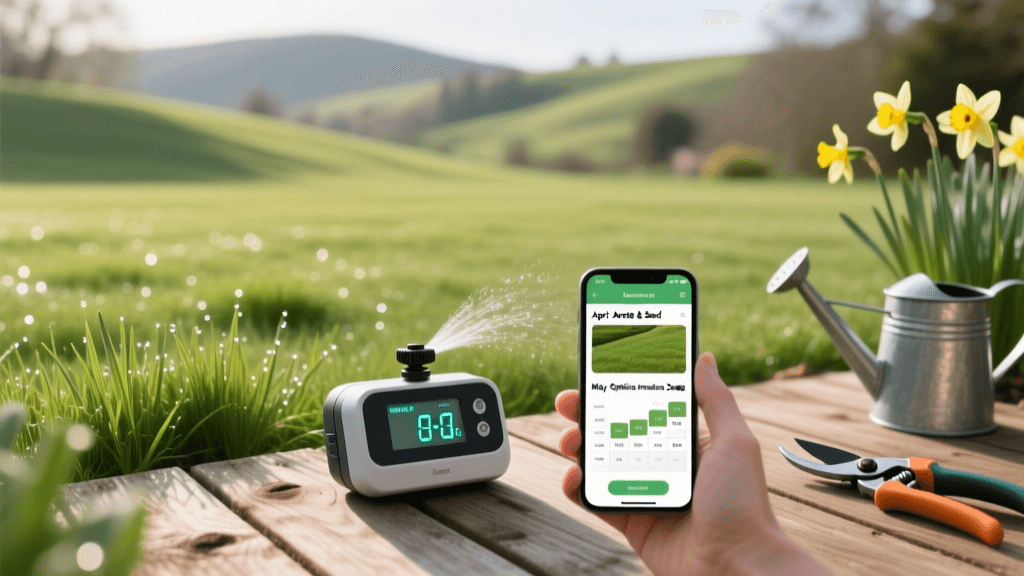
Do not turn on your irrigation system until the risk of hard freezes has completely passed; otherwise, trapped water in the PVC or polyethylene pipes can expand and cause catastrophic cracking. Once daytime temperatures are consistently above 50 degrees Fahrenheit, perform a manual zone audit. Walk the yard while each zone runs to check for sunken sprinkler heads, clogged nozzles, and misaligned spray patterns. Reconnect your smart controller to your home Wi-Fi network and ensure the firmware is updated to the latest version.
Mid-Spring (April): Fertilizing and Zone Calibration
April is when cool-season grasses experience their most vigorous root and shoot growth. Your checklist for this month focuses on feeding the lawn and optimizing your smart irrigation zones to match the landscape's microclimates.
Strategic Fertilization and Weed Prevention
Apply a slow-release, organic-based nitrogen fertilizer, such as Milorganite, at a rate of 0.5 to 1.0 pounds of actual nitrogen per 1,000 square feet. Slow-release formulas feed the grass gradually over 8 to 10 weeks, preventing the rapid, weak flush of growth that makes turf susceptible to late-spring diseases. If your lawn has a history of crabgrass, apply a pre-emergent herbicide like Prodiamine 65 WDG when soil temperatures at a 2-inch depth consistently reach 50 to 55 degrees Fahrenheit. Note that pre-emergents will prevent grass seed from germinating, so you must choose between weed prevention and spring seeding.
Calibrating Smart Irrigation Zones
Not all parts of your yard dry out at the same rate. Use your smart controller's app to create distinct hydro-zones. Group areas with full sun and sandy soil together, and assign them higher watering frequencies. Conversely, group heavily shaded areas and low-lying clay zones together, assigning them significantly less water. This targeted approach is a cornerstone of energy-efficient landscaping, ensuring you are not overwatering the shade garden just to keep the sunny front yard alive.
Late Spring (May): Mowing Schedules and Weather Intelligence
By May, your lawn should be growing rapidly. The focus shifts to mechanical maintenance and leveraging the advanced weather-prediction features of your smart home ecosystem.
The One-Third Mowing Rule
Set your mower deck to a height of 3.0 to 3.5 inches. Taller grass shades the soil, reducing moisture evaporation and naturally suppressing weed seed germination. Never remove more than one-third of the grass blade in a single mowing session. If the grass is 4.5 inches tall, mow it down to 3.0 inches. Leave the clippings on the lawn; they decompose rapidly and return up to 25 percent of the lawn's required nitrogen back to the soil, acting as a free, natural fertilizer.
Activating Weather Intelligence Features
Modern smart controllers do far more than just run on a timer. Dive into your app settings and enable Weather Intelligence features. Turn on Rain Skip, which pulls data from local weather stations to automatically bypass scheduled watering if a certain threshold of rain (e.g., 0.125 inches) has fallen or is forecasted. Enable Wind Skip to prevent watering during high winds, which causes massive evaporation and uneven distribution. Finally, activate Seasonal Shift, which automatically adjusts your baseline watering minutes based on the historical evapotranspiration rates for your specific zip code as summer approaches.
Spring Lawn Care and Smart Irrigation Checklist
Use the table below as your quick-reference guide to keep your landscape thriving and your water usage optimized throughout the spring season.
| Month | Primary Lawn Task | Smart Irrigation Action | Estimated Cost |
|---|---|---|---|
| March | Soil Testing and Gentle Raking | System Audit, Head Alignment, Wi-Fi Sync | $15 - $30 (Soil Test) |
| April | Slow-Release Fertilizer and Pre-Emergent | Hydro-Zone Calibration (Sun vs. Shade) | $40 - $70 (Fertilizer) |
| May | High Mowing (3+ inches) and Mulching | Enable Rain Skip, Wind Skip, Seasonal Shift | $0 (Use existing mower) |
Choosing the Right Smart Irrigation Controller
If you are still using a traditional dial-based timer, upgrading to a smart controller is one of the most impactful DIY garden projects you can undertake this year. When shopping, always look for models that carry the WaterSense label. According to the EPA WaterSense smart irrigation guidelines, certified controllers use local weather data to automatically adjust watering schedules, saving the average home nearly 8,800 gallons of water annually.
Two industry leaders dominate the residential market:
- Rachio 3 Smart Sprinkler Controller: Priced around $200 to $230, the Rachio 3 is widely considered the gold standard for smart home integration. It features hyper-local weather intelligence, seamless integration with platforms like Apple HomeKit and Amazon Alexa, and an incredibly intuitive mobile app. Its flow meter integration can even detect leaky valves and shut the system down automatically.
- Orbit B-hyve Smart Indoor/Outdoor Controller: Coming in at a more budget-friendly $120 to $150, the B-hyve offers excellent value. It includes a weather-resistant outdoor casing, meaning you do not need to buy a separate weatherproof box if your current timer is mounted outside. It provides robust weather-based adjustments and easy manual overrides via the smartphone app.
Conclusion
Transforming your yard into a sustainable, beautiful extension of your home does not require endless hours of manual labor or exorbitant water bills. By following this structured spring lawn care checklist and embracing smart home irrigation technology, you set the foundation for a deeply rooted, drought-tolerant landscape. Start with a soil test in March, calibrate your zones in April, and let weather intelligence take over in May. Your lawn, your wallet, and the local watershed will thank you all summer long.