When to Winterize Your Smart Irrigation System and Pipes
The Critical Importance of Irrigation Winterization Timing
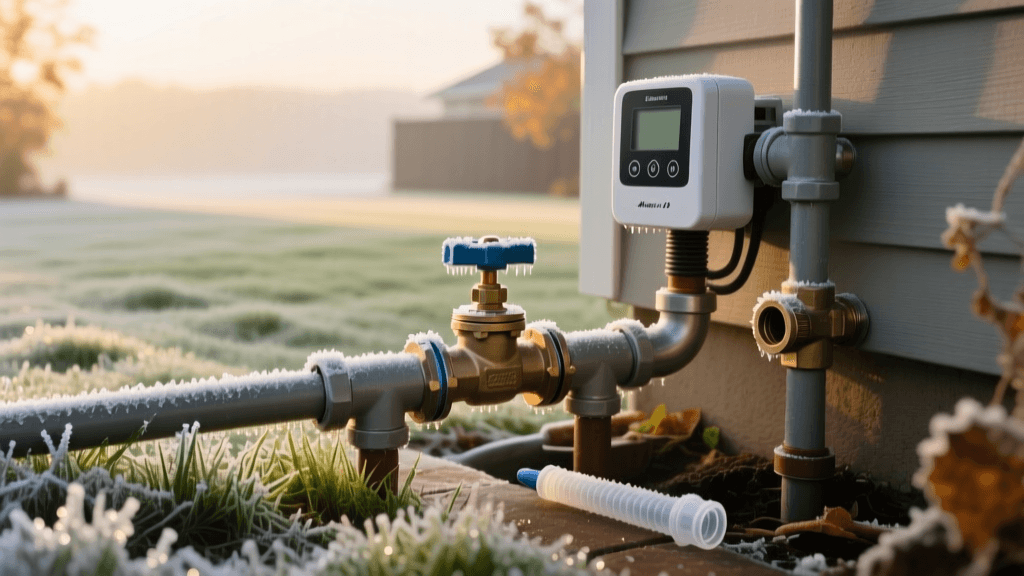
Bridging the gap between smart home technology and outdoor landscaping requires a keen understanding of seasonal transitions. Your smart irrigation system is a significant investment in energy-efficient landscaping and water conservation. However, when temperatures drop, the water trapped inside your pipes, valves, and smart controllers can become a destructive force. Water expands by approximately 9% when it freezes, generating enough pressure to crack PVC pipes, shatter brass backflow preventers, and destroy the internal solenoids of your smart sprinkler valves.
Knowing exactly when to winterize your smart irrigation system and outdoor plumbing is the difference between a seamless spring startup and a costly repair bill. This comprehensive when-to timing guide will walk you through the seasonal milestones, regional schedules, and step-by-step actions required to protect your home's exterior water infrastructure.
The Golden Rule of Timing: When to Start
The most common mistake homeowners make is waiting until the first hard freeze to think about their sprinkler system. By then, it is often too late. The golden rule of irrigation winterization is to begin the process when nighttime temperatures consistently dip below 40°F (4°C) and before the first hard freeze (when temperatures drop below 28°F or -2°C for several hours).
According to the EPA WaterSense program, properly maintaining and winterizing your irrigation system ensures that you do not waste water or damage the efficient components you invested in. Timing your winterization to coincide with the natural dormancy of your lawn also ensures you are not depriving your turf of necessary late-season hydration.
Regional Timing Chart for Irrigation Winterization
Because climate zones vary drastically across the country, your specific timing window will depend on your geographic location. Use the table below as a general guide for when to initiate your winterization phases.
| Region | Typical First Frost | Ideal Winterization Window | Smart Controller Action |
|---|---|---|---|
| Northeast & Midwest | Early to Mid-October | September 25 - October 15 | Switch to 'Off' or 'Rain Delay' |
| Mountain West | Late September | September 10 - September 30 | Deactivate weather-based schedules |
| Pacific Northwest | Early November | October 15 - November 5 | Pause seasonal adjustment features |
| Southeast & Deep South | Late November to Rare | November 15 - December 10 | Reduce watering frequency by 70% |
Phase 1: The Late Summer and Early Fall Audit
When: 4 to 6 weeks before your expected first frost.
Before you shut anything down, you need to know the current health of your system. Use your smart controller's app (such as Rachio, Orbit B-hyve, or Netro) to review your water usage reports and zone performance. Walk your property and look for signs of leakage, sunken sprinkler heads, or misaligned nozzles. Mark these issues with landscaping flags so you can repair them in the spring. Shutting down a broken system means you will forget what was broken when you turn it back on in April.
Phase 2: Shutting Off and Draining the Backflow Preventer
When: 1 to 2 weeks before the expected first hard freeze.
The backflow preventer is the most expensive and vulnerable component of your irrigation system, typically located above ground near your main water shut-off. When the forecast predicts a string of freezing nights, it is time to act.
- Shut off the main water supply: Locate the interior shut-off valve that feeds the irrigation system and turn it to the 'off' position.
- Relieve the pressure: Go outside to your backflow preventer (usually a PVB, RPZ, or Double Check valve). Turn both of the brass ball valves to a 45-degree angle (half-open/half-closed).
- Open the test cocks: Using a flathead screwdriver, open the small test cocks on the side of the valves to let the remaining water drain out.
- Insulate: Wrap the backflow preventer in a specialized foam insulation cover or wrap it with fiberglass insulation and a waterproof tarp. Do not use heat tape, as this can melt plastic components and create a fire hazard.
Phase 3: The 'Blowout' Method for Underground Pipes
When: Just before the first hard freeze, when daytime temperatures are still above 45°F (7°C).
Draining the backflow is not enough; water remains trapped in the underground lateral lines and sprinkler heads. The Irrigation Association strongly advises using the blowout method to clear these lines using compressed air. Timing this correctly is vital: doing it too early can dry out your turf before winter dormancy, while doing it too late risks frozen pipes.
Crucial Blowout Measurements and Safety Limits
- Compressor Size: You need an air compressor capable of delivering 10 to 25 Cubic Feet per Minute (CFM). Standard garage compressors (2-5 CFM) will not work and will overheat.
- Pressure Limits for PVC Pipe: Never exceed 50 PSI. Higher pressure can cause PVC pipes to shatter underground, acting like a pipe bomb.
- Pressure Limits for Polyethylene Pipe: Never exceed 80 PSI.
- Friction Heat: Air moving through plastic pipes creates friction heat. Run the air in short bursts and touch the PVC near the blowout connection. If it feels hot to the touch, stop immediately and let it cool.
Pro Tip: Always start with the zone farthest from the compressor and work your way back to the closest zone. This ensures the air has enough volume to push the water out of the longest runs of pipe.
Managing Smart Controllers and Sensors During Winter
When: The same day you perform the blowout.
Smart home integration means your irrigation system is tied to your Wi-Fi network and local weather data. However, winterizing the physical hardware requires specific digital timing.
- Smart Controllers (Rachio 3, B-hyve): Do not unplug the controller from the wall, as this will erase your custom zone maps and seasonal schedules. Instead, use the app to switch the system to 'Off' or 'Standby' mode. This keeps the Wi-Fi connected and preserves your data while preventing accidental winter watering.
- Freeze and Rain Sensors: If you use standalone wireless rain/freeze sensors, remove the batteries to prevent corrosion from winter moisture. Store them in a dry, room-temperature environment inside your home.
- Flow Meters: If your smart system utilizes an inline flow meter, ensure it is drained or wrapped in insulation, as the internal diaphragms are highly susceptible to freeze-cracking.
Winterizing Outdoor Faucets and Hose Bibbs
When: Late Fall, concurrent with the irrigation blowout.
Do not forget the standard outdoor plumbing. Disconnect all garden hoses, as a hose left attached to a faucet traps water inside the sillcock, guaranteeing a burst pipe inside your exterior wall. If you have standard hose bibbs, shut off their dedicated interior valves and drain the exterior spigot. If you have frost-free sillcocks, simply disconnecting the hose and ensuring the exterior pitch is angled slightly downward is sufficient. Install foam insulating covers over all exterior spigots for added protection against wind chill.
Cost Breakdown: DIY vs. Professional Timing and Pricing
Deciding whether to time a DIY blowout or hire a professional depends on your access to equipment and your schedule. Professionals often book up by mid-October, so if you plan to hire out, you must schedule your appointment in late August or early September.
| Method | Estimated Cost | Time Required | Equipment Needed |
|---|---|---|---|
| DIY Blowout | $50 - $120 (Compressor Rental) | 2 - 4 Hours | Tow-behind gas compressor, air hose, quick-connect fittings |
| Professional Service | $60 - $150 (Up to 8 zones) | 45 - 90 Minutes | None (Provider brings industrial truck-mounted compressor) |
| Manual Drain (No Air) | $0 | 1 - 2 Hours | Only applicable if system was installed with manual drain valves at all low points |
Spring Reactivation: When to Turn It Back On
Knowing when to winterize is only half the battle; knowing when to safely reactivate your smart system in the spring is equally critical. The biggest mistake homeowners make is turning on their smart irrigation in early March when the first warm weekend hits, only to be hit by a late-season blizzard that destroys the newly pressurized backflow preventer.
The Spring Timing Rule: Wait until the soil temperature at a depth of 4 inches is consistently above 40°F (4°C), and the local 14-day forecast shows zero chance of nighttime temperatures dropping below 32°F (0°C). For most northern zones, this means waiting until late April or early May.
When you do turn the main water valve back on, do it slowly. Turn the valve just a quarter-turn and let the pipes fill gradually over 5 to 10 minutes. Opening the valve too quickly creates a 'water hammer' effect—a massive shockwave of hydraulic pressure that can blow the solenoids right off your smart valves. Once the system is fully pressurized, use your smart app to run a 2-minute quick-test on every zone to verify that no pipes cracked over the winter.
Conclusion
Timing is the most critical variable in seasonal home maintenance. By aligning your irrigation winterization schedule with regional frost dates, monitoring soil temperatures, and respecting the physical limitations of your pipes and smart hardware, you protect your home from catastrophic water damage. Whether you choose to rent a compressor for a DIY blowout or hire an irrigation professional, executing these steps at the exact right time ensures your landscape will be ready to thrive when the spring thaw finally arrives.