When to Winterize Your Smart Sprinkler System Guide
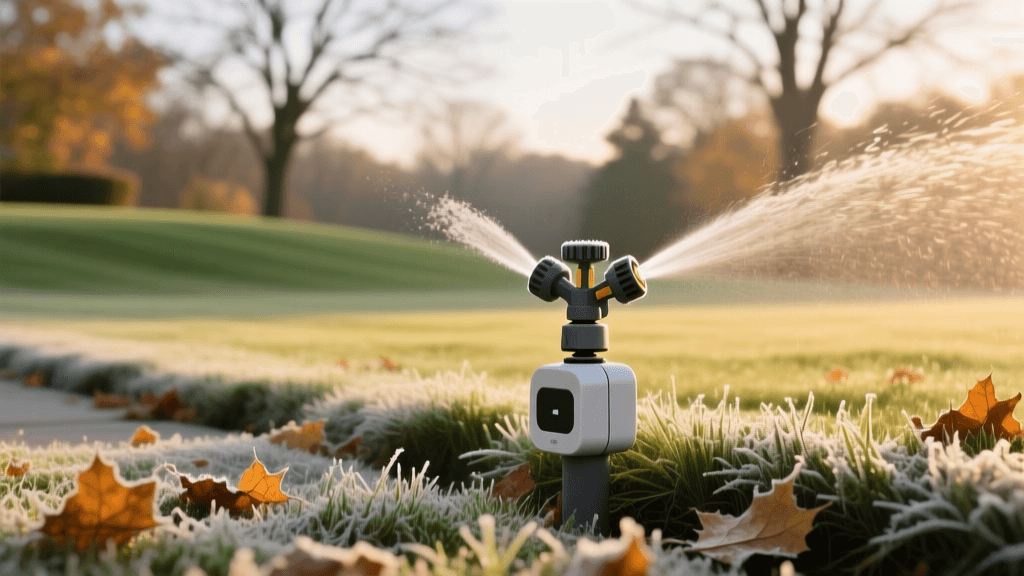
As autumn leaves fall and temperatures begin their inevitable descent, homeowners face a critical seasonal maintenance task that bridges the gap between smart home technology and traditional landscape care: winterizing the outdoor irrigation system. While your smart sprinkler controller effortlessly manages garden-to-table hydration and energy-efficient landscaping during the summer, the arrival of freezing temperatures introduces severe risks to your outdoor plumbing. Knowing exactly when to winterize your smart sprinkler system is not just a matter of convenience; it is a vital step in protecting your property from catastrophic water damage and expensive pipe replacements.
Water is a unique substance. When it freezes, it expands by approximately nine percent. In the confined space of underground PVC pipes, polyethylene tubing, and delicate smart irrigation valves, this expansion creates immense hydrostatic pressure. According to the EPA WaterSense guidelines on outdoor water use, residential irrigation systems account for massive water volumes, meaning a cracked pipe is not just a structural failure; it is an environmental and financial liability that can waste thousands of gallons and ruin your landscape design.
The Golden Rule: Soil Temperature vs. Air Temperature
Many first-time homeowners make the mistake of winterizing their sprinkler systems the moment they see their first breath of frost or experience a single night where the air temperature dips below thirty-two degrees Fahrenheit. This is a premature reaction. The true metric for timing your irrigation blow-out is not the ambient air temperature, but the soil temperature and the consistency of the freeze cycle.
Soil acts as a massive thermal insulator. While the air temperature might drop to twenty-eight degrees overnight, the soil temperature at a depth of six to twelve inches—where your mainlines and lateral pipes are buried—may remain well above freezing for several weeks. The golden rule of irrigation winterization is to wait until the daytime highs consistently remain below fifty degrees Fahrenheit, and the nighttime lows are reliably dropping into the mid-twenties for at least five to seven consecutive days. This ensures that the frost line is beginning to penetrate deep enough to threaten your underground infrastructure.
Regional Timing Guide: When to Blow Out Your Sprinklers
Because climate zones vary drastically across the country, the exact calendar week for winterizing your smart irrigation system depends heavily on your geographic location. Below is a structured timing chart to help you plan your seasonal home maintenance schedule.
| Region | Typical First Hard Freeze | Ideal Winterization Window | Smart Home Prep Action |
|---|---|---|---|
| Pacific Northwest | Late November | Mid to Late October | Activate rain sensor overrides |
| Midwest & Plains | Mid October | Late September to Early October | Switch controller to standby mode |
| Northeast & New England | Early November | Mid to Late October | Insulate above-ground smart valves |
| Southern & Coastal | Rare / Late December | November (if applicable) | Monitor smart freeze sensors |
Step-by-Step Smart Controller Winterization
A common misconception in smart home integration is that you should simply unplug your smart sprinkler controller from the wall to save energy and prevent winter activation. Doing this with modern Wi-Fi-enabled controllers like Rachio, B-hyve, or Orbit B-hyve XR is a massive mistake. Unplugging the unit severs its connection to your local network, often causing it to lose its localized weather intelligence, historical watering data, and custom zone mappings.
Instead of unplugging, follow these actionable steps to properly configure your smart controller for the winter months:
- Enable Standby or Off Mode: Navigate to the system settings in your mobile app and select "Standby" or "Off." This halts all scheduled watering while keeping the Wi-Fi radio active and preserving your custom zone configurations.
- Disable Smart Cycles and Weather Intelligence: Turn off features like "Seasonal Shift" or "Weather Intelligence Plus" so the system does not attempt to calculate winter moisture deficits.
- Protect the Outdoor Enclosure: If your smart controller is mounted outdoors in a weatherproof box, ensure the gasket seals are clean and the desiccant packets inside the enclosure are fresh to prevent winter condensation from corroding the motherboard.
The Blow-Out Method: PSI and CFM Requirements
Once the timing is right, the physical act of removing water from the lines must be executed with precision. The industry standard for winterizing irrigation systems is the "blow-out" method, which utilizes a high-volume air compressor to force residual water out of the sprinkler heads.
The Ready.gov winter weather preparedness guidelines emphasize that outdoor plumbing and irrigation lines are among the most vulnerable home components during sudden cold snaps, making proper drainage essential. However, using too much air pressure can melt your PVC pipes through friction or shatter your smart valves.
Crucial Safety Limits: Never exceed 50 PSI when blowing out polyethylene (poly) piping, and never exceed 80 PSI for rigid PVC piping. Always use a pressure regulator and ensure your air compressor delivers adequate Cubic Feet per Minute (CFM)—ideally between 10 and 25 CFM—rather than just relying on high pressure.
Protecting Smart Valves and Freeze Sensors
Smart irrigation systems often rely on above-ground manifold valves equipped with solenoids, as well as standalone wireless soil moisture sensors and rain/freeze sensors placed around the garden. Before the deep freeze sets in, you must manually drain the valve boxes. Use a wet-dry shop vacuum to remove standing water from the bottom of the valve manifolds. For wireless freeze sensors, remove the AA or AAA batteries to prevent battery acid leaks caused by extreme cold, and store the sensors indoors until the spring reactivation.
Winterizing Drip Irrigation for Garden-to-Table Beds
Many modern landscapes integrate drip irrigation zones specifically designed for vegetable gardens, raised beds, and delicate ornamental shrubs. Drip systems operate at much lower pressures than traditional spray heads, but their small emitters and thin tubing are incredibly susceptible to freeze damage. Ice crystals can easily block the micro-pathways inside drip emitters, rendering them useless the following spring.
To properly winterize your garden-to-table drip zones, you must do more than just blow them out with air. First, flush the mainlines by opening the end caps of the drip tubing and letting water run freely for several minutes to clear out sediment, algae, and mineral deposits. After flushing, use a low-PSI air compressor to gently evacuate the remaining water. Finally, consider rolling up the flexible drip tubing and storing it in a shed or garage if your region experiences severe, prolonged winters. Taking these extra steps ensures that your organic vegetable garden remains perfectly hydrated and structurally sound when planting season begins.
Cost Expectations: DIY vs. Professional Blow-Outs
Timing your winterization correctly also involves budgeting for the process. If you choose to hire a licensed landscaping professional to perform the blow-out, expect to pay between fifty and one hundred and fifty dollars, depending on the number of zones in your smart irrigation system and your local market rates. Professionals bring commercial-grade, tow-behind air compressors that deliver the high CFM necessary to clear lines safely without relying on dangerous high pressure.
If you opt for the DIY route, you must invest in or rent an air compressor capable of delivering at least 10 CFM at 50 PSI. Most standard home garage compressors, which typically deliver only 2 to 4 CFM, are insufficient for blowing out an entire irrigation system and can lead to incomplete water removal. Factoring in the cost of a compressor rental, fuel, and your own weekend time, hiring a professional is often the most cost-effective and safest choice for complex smart home irrigation setups.
Spring Reactivation Timing
Knowing when to winterize is only half the battle; knowing when to safely reactivate your system in the spring is equally important. Do not turn your smart sprinkler system back on simply because the first warm day of spring arrives. Wait until the threat of hard freezes has completely passed, and the soil temperature has consistently warmed above forty degrees Fahrenheit. Turning a smart irrigation system on while the ground is still partially frozen can result in severe water hammer effects, blowing apart sprinkler heads and destroying your carefully planned garden-to-table landscaping beds.
By adhering to this precise timing guide, you ensure that your smart home irrigation infrastructure remains intact, efficient, and ready to support a lush, energy-efficient landscape when the growing season finally returns.