
Home & Garden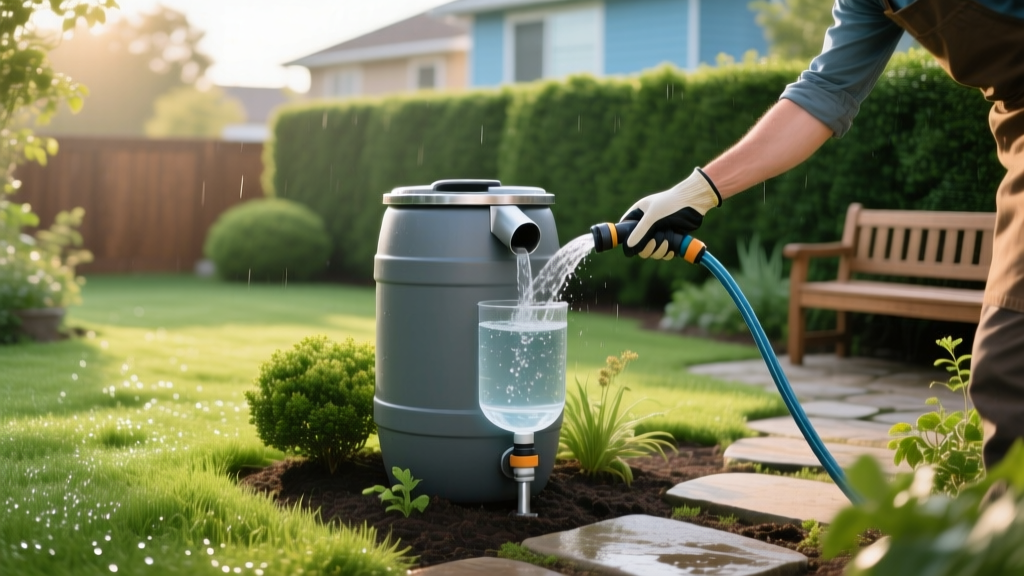
Is It Illegal to Capture Rainwater? State Laws & Rain Barrel Guide
The Short Answer: Rainwater Harvesting Legality
Many homeowners looking to reduce their municipal water bills and sustainably irrigate their gardens ask a common question: is it illegal to capture rainwater? The short answer is no, it is generally not illegal to capture rainwater in the United States. However, the complete answer is far more nuanced. While the federal government does not restrict rainwater harvesting, water rights are governed at the state level, resulting in a complex patchwork of regulations, capacity limits, and usage restrictions.
In some states, you can install a 5,000-gallon cistern and plumb it directly into your home's toilets and laundry. In others, capturing more than 110 gallons without a specialized water right permit can result in heavy fines. Understanding where your property falls on this legal spectrum is critical before you invest in a rain barrel or underground cistern system.
The Two Legal Doctrines of Water Rights
1. Riparian Rights (Eastern U.S.): Landowners have the right to make reasonable use of water that flows through or adjacent to their property. Rainwater capture is largely unregulated and encouraged.
2. Prior Appropriation (Western U.S.): Water is considered a public resource, and rights are granted on a 'first in time, first in right' basis. In these states, the rain that falls on your roof is technically already 'owned' by downstream senior water rights holders. This is why states like Colorado and Utah heavily restrict residential capture.
State-by-State Rainwater Capture Legality Matrix
According to the National Conference of State Legislatures (NCSL), over 30 states have passed specific legislation regarding rainwater harvesting. Below is a breakdown of how the laws apply in states with the most distinct regulatory frameworks.
| State | Max Capacity (No Permit) | Indoor Use Allowed? | HOA Ban Protection? |
|---|---|---|---|
| Texas | Unlimited | Yes (with treatment) | Yes (Property Code Sec. 202.007) |
| Colorado | 110 Gallons (Max 2 barrels) | No (Outdoor only) | No explicit state shield |
| California | Unlimited | Yes (with treatment) | Yes (AB 2104 / 2188) |
| Utah | 2,500 Gallons | No | No |
| Oregon | 2,700 Gallons | No (Outdoor only) | No |
Deep Dive: The Colorado Exception
Colorado is notoriously strict due to its prior appropriation doctrine. According to the Colorado Division of Water Resources, homeowners are legally permitted to use a maximum of two rain barrels with a combined storage capacity of 110 gallons. The captured water may only be used outdoors on the same property where it was captured, specifically for watering lawns or gardens. It cannot be used for drinking, indoor plumbing, or watering commercial crops. If you live in a municipality with a strict 'no diversion' water decree, even two barrels may require a variance.
HOA Rules vs. State Law: The Hidden Catch
Even if your state explicitly declares that it is not illegal to capture rainwater, your Homeowners Association (HOA) might disagree. Historically, HOAs have banned rain barrels citing aesthetic guidelines, claiming the barrels are 'unsightly' or attract pests.
To combat this, several states have enacted 'Right to Harvest' statutes that legally override HOA architectural restrictions. For example, under Texas A&M AgriLife Extension guidelines and Texas Property Code, an HOA cannot prohibit a homeowner from installing a rainwater harvesting system, though they may still enforce reasonable aesthetic rules (such as requiring the barrel to be screened by a fence or painted to match the house). If you live in a state without a Right to Harvest shield, you must submit an architectural review request to your HOA board before purchasing equipment to avoid daily fines.
How to Legally Set Up a Compliant Rain Barrel System
Assuming your local laws and HOA permit rainwater capture, you must install the system to meet local health and building codes. Improper installation can lead to mosquito breeding fines or foundation damage claims from neighbors.
1. Sizing Your First-Flush Diverter
A first-flush diverter routes the initial flow of rain—which carries bird droppings, pollen, and roof grit—away from your storage tank. The industry standard formula for sizing a first-flush diverter is 1 gallon of diversion capacity per 100 square feet of roof catchment area. If your roof section draining into the barrel is 1,000 square feet, you need a 10-gallon diverter pipe before the water enters the main barrel.
2. Essential Components for Code-Compliant Harvesting
- Mosquito-Proof Mesh: All inlets and overflows must be sealed with 1/16-inch stainless steel mesh. This prevents mosquitoes from breeding and stops rodents from entering the tank.
- Bti Mosquito Dunks: If water stagnates, use dunks containing Bacillus thuringiensis israelensis (Bti). This is a naturally occurring bacterium that targets mosquito larvae but is 100% safe for pets, wildlife, and garden plants.
- Overflow Routing: Your barrel must have a 2-inch overflow pipe directed into a dry well, a rain garden, or a municipal storm drain. Never route overflow directly onto a neighbor's property or the public sidewalk, as this creates a slip hazard and a civil liability.
- Opaque, UV-Resistant Tanks: Never use translucent white IBC totes or food-grade barrels in direct sunlight. Sunlight penetration causes rapid algae growth, which depletes oxygen and ruins the water quality. Use dark green, black, or terracotta-colored UV-stabilized polyethylene barrels.
Frequently Asked Questions About Rainwater Laws
Can I legally drink captured rainwater?
In most jurisdictions, using untreated rainwater for potable (drinking) purposes is illegal for grid-connected homes. If you are entirely off-grid, some counties allow potable use, but it requires a multi-stage filtration system including a 5-micron sediment filter, a carbon block filter, and a final UV-C sterilization light to eliminate pathogens.
Does capturing rainwater affect my property's water rights?
No. In states that utilize the prior appropriation doctrine, small-scale residential rain barrel capture is classified as a 'de minimis' exemption. It does not grant you a formal water right, nor does it forfeit any existing groundwater or well rights attached to your property deed.
Are there tax incentives for installing rain barrels?
Yes, in specific regions. States facing chronic drought, such as California and Arizona, frequently offer municipal rebates. For example, the Metropolitan Water District of Southern California often provides rebates up to $120 for qualifying 50-gallon rain barrels. Check your local water utility's conservation portal for current incentive programs.
Next Steps for Homeowners
Before purchasing a rain barrel or hiring a contractor to install a cistern, verify your specific municipal codes. While state law might dictate the overarching legality of rainwater capture, city or county health departments often dictate the exact plumbing requirements, backflow prevention valves, and setback distances from property lines. Calculate your roof's catchment area, verify your HOA covenants, and select a UV-resistant, properly screened system to ensure your garden thrives legally and sustainably.

