Landscaping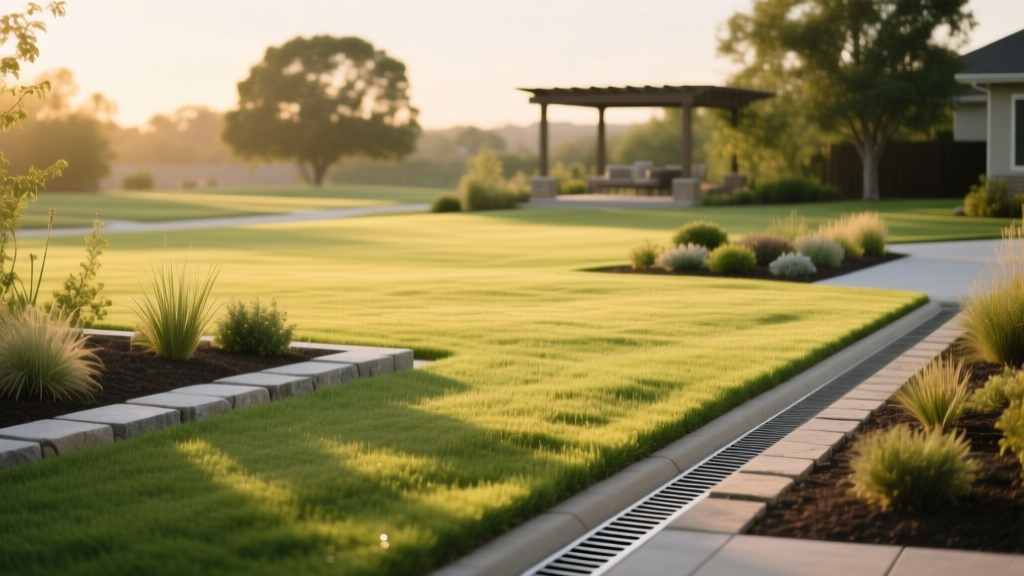
Landscape Design Strategies To Prevent Lawn Diseases
Emily WatsonPublished
The Intersection of Landscape Design and Lawn Pathology
When homeowners think of landscaping, they often envision lush garden beds, elegant hardscaping, and vibrant outdoor living spaces. However, the underlying architecture of your landscape plays a critical role in the biological health of your turfgrass. Poorly planned grading, improper hardscape placement, and inadequate drainage are primary catalysts for severe lawn diseases. By approaching lawn disease identification and treatment through the lens of landscape design, you can create an environment that naturally suppresses fungal pathogens while boosting your curb appeal.
Turfgrass diseases are rarely just surface-level issues; they are symptoms of deeper environmental imbalances. Fungi thrive in specific microclimates characterized by prolonged leaf wetness, soil compaction, and stagnant air. In this comprehensive guide, we will explore how to identify common lawn diseases triggered by landscape flaws and provide actionable, design-based solutions to treat and prevent them permanently.
Identifying Common Lawn Diseases in Poorly Designed Landscapes
Before applying chemical treatments, it is vital to identify the disease and understand the landscape feature enabling it. According to Penn State Extension, environmental stress and poor air circulation are the leading contributors to turf fungal outbreaks. Here are the most common diseases linked to landscape design flaws:
- Brown Patch (Rhizoctonia solani): Identifiable by circular, brown, sunken patches with a dark smoke ring on the outer edge. This fungus thrives in humid, stagnant areas often created by poorly placed privacy fences, dense unpruned foundation shrubs, or low-hanging tree canopies that prevent morning dew from evaporating.
- Dollar Spot (Clarireedia jacksonii): Appears as small, silver-dollar-sized straw-colored spots that can merge into large blighted areas. Dollar spot exploits drought-stressed turf, which is frequently found near heat-radiating hardscapes like dark retaining walls or expansive concrete patios that bake the adjacent soil.
- Pythium Blight (Pythium spp.): Manifests as greasy, dark, water-soaked patches that rapidly turn brown and crusty. This aggressive pathogen destroys grass in low-lying swales, compacted zones at the bottom of slopes, or areas where downspouts dump water without proper drainage extensions.
Grading, Hardscaping, and Drainage Solutions
Water management is the cornerstone of disease prevention. If your landscape retains water for more than 24 hours after a heavy rain, your turf is highly susceptible to root rot and Pythium blight. Correcting these issues requires strategic hardscaping and grading interventions.
Regrading and Swale Creation
If your lawn slopes toward your home or features depressed valleys where water pools, regrading is essential. A professional landscaping crew can regrade a standard suburban lot to ensure a minimum 2% slope away from structures and toward designated drainage zones. Expect to pay between $1,000 and $3,000 for professional regrading, depending on soil volume and accessibility. Alternatively, creating a bioswale—a shallow, vegetated depression lined with river rock and moisture-tolerant native plants—can elegantly capture and slowly filter runoff, preventing it from suffocating your turf.
Installing French Drains and Dry Creek Beds
For severe compaction and clay-heavy soils where surface grading is insufficient, subsurface drainage is required. A French drain involves digging a trench (typically 12 to 18 inches deep), lining it with landscape fabric, installing a perforated PVC pipe, and covering it with washed gravel. This system intercepts groundwater and redirects it away from the root zone. Installation costs average $20 to $30 per linear foot. For a more aesthetic approach, a dry creek bed utilizing varying sizes of rounded river stones can serve as both a beautiful landscape feature and a highly functional surface drainage channel.
Microclimates: Managing Sunlight and Airflow
Fungal spores require prolonged moisture on the leaf blade to germinate. If your landscape design traps morning dew, disease is inevitable. UMass Extension notes that improving air circulation and sunlight penetration are among the most effective cultural controls for turf diseases.
Tree Canopy and Shrub Management
Overgrown foundation plantings and low-hanging tree branches create deep shade and block prevailing winds. Implement a landscape maintenance plan that includes raising the tree canopy (removing lower branches to a height of 8 to 10 feet) and thinning the interior of dense shrubs. This allows morning sun to dry the grass quickly and promotes cross-breeze airflow.
Hardscape Heat Reflection
Dark-colored retaining walls, asphalt driveways, and dark stone patios absorb and radiate intense heat. This creates a localized microclimate that severely stresses adjacent turfgrass, depleting its carbohydrate reserves and making it highly vulnerable to Dollar Spot. To mitigate this, integrate light-colored hardscaping materials, such as limestone or light travertine, or install a transitional buffer of heat-tolerant ground covers or ornamental grasses between the hardscape and the lawn.
Lawn Disease and Landscape Solution Matrix
Use the following matrix to diagnose your lawn disease and implement the corresponding landscape-based and chemical treatments.
| Disease | Pathogen | Landscape Trigger | Design Solution | Chemical Treatment |
|---|---|---|---|---|
| Brown Patch | Rhizoctonia solani | Stagnant air, deep shade, dense shrubs | Raise tree canopies, prune foundation beds, alter fence lines | Azoxystrobin (e.g., Scotts DiseaseEx) |
| Dollar Spot | Clarireedia jacksonii | Drought stress, heat-radiating hardscapes | Install shade buffers, use light-colored stone, improve irrigation | Propiconazole (e.g., Bonide Infuse) |
| Pythium Blight | Pythium spp. | Poor drainage, low-lying swales, compacted soil | Install French drains, regrade slopes, core aeration | Mefenoxam or Phosphite-based fungicides |
| Red Thread | Laetisaria fuciformis | Nutrient-poor soil, heavy thatch buildup | Topdress with compost, implement proper mowing heights | Fenarimol or Flutolanil |
Selecting Disease-Resistant Turf and Soil Amendments
A sustainable landscape relies on planting the right plant in the right place. If your yard is heavily shaded or prone to moisture issues, traditional Kentucky Bluegrass may constantly succumb to fungal pressure. According to the University of Minnesota Extension, selecting disease-resistant turfgrass cultivars is a vital long-term strategy for reducing chemical inputs.
Turfgrass Selection
For shaded, moist landscapes, consider transitioning to fine fescues or shade-tolerant tall fescue blends, which exhibit strong natural resistance to Brown Patch and Dollar Spot. In warm-season regions, Zeon Zoysia or Empire Turf offer superior disease resistance compared to common Bermuda grass varieties.
Soil Topdressing and Thatch Management
Fungi often harbor in the thatch layer—the dense mat of dead and living roots between the soil and the grass blade. When thatch exceeds half an inch, it acts like a sponge, holding moisture against the grass crown. Annually topdressing your lawn with a quarter-inch layer of screened compost introduces beneficial microbes that naturally outcompete pathogenic fungi. Compost also improves soil structure, enhancing drainage and reducing the need for synthetic fertilizers that can trigger lush, disease-susceptible growth.
Actionable Treatment Plan: Fungicides and Cultural Controls
While landscape corrections address the root cause of lawn diseases, active outbreaks require immediate intervention to save the turf. When applying fungicides, always follow label instructions and rotate active ingredients to prevent pathogen resistance.
- Curative Application: If Brown Patch or Dollar Spot is actively spreading, apply a systemic fungicide containing Azoxystrobin or Propiconazole. Products like Scotts DiseaseEx (Azoxystrobin) are widely available and cost approximately $15 to $25 per bag, covering up to 5,000 square feet. Apply using a broadcast spreader and water in immediately to move the active ingredient into the root zone.
- Preventative Application: For landscapes with a known history of Pythium Blight, apply a preventative phosphite-based fungicide in late spring when nighttime temperatures consistently exceed 65°F and humidity is high.
- Irrigation Adjustment: Reprogram your smart irrigation controller to water deeply and infrequently. Watering between 4:00 AM and 6:00 AM ensures the grass dries quickly once the sun rises, depriving fungi of the prolonged leaf wetness they require to infect the plant.
- Mowing Practices: Never remove more than one-third of the grass blade in a single mowing. Keep mower blades razor-sharp; dull blades tear the grass, creating open wounds that serve as direct entry points for fungal spores.
Conclusion
Treating lawn disease is not solely about applying chemicals; it is about correcting the environmental flaws that allow pathogens to thrive. By integrating proper drainage, strategic hardscaping, thoughtful plant placement, and disease-resistant turf varieties into your landscape design, you create a resilient outdoor space. A well-designed landscape not only elevates your property value and curb appeal but also serves as the ultimate, sustainable defense against lawn diseases.