Landscaping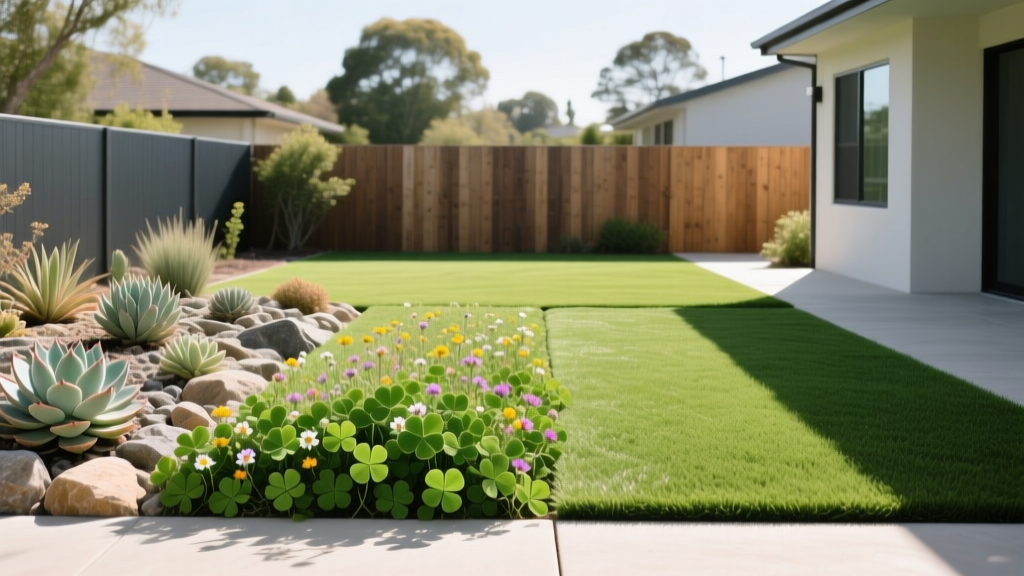
Lawn Replacement Costs: Pricing Guide for Turf Alternatives
Emily WatsonPublished
The Shift Away from Traditional Turfgrass
For decades, the quintessential American yard has been defined by a sprawling, monoculture lawn of Kentucky bluegrass, fescue, or Bermuda grass. However, a growing movement of homeowners, landscape architects, and environmental scientists are rethinking this standard. Driven by rising water costs, municipal drought restrictions, and the desire to reclaim weekends from mowing and edging, lawn replacement has become one of the most popular landscaping projects in the country. But transitioning from a traditional turf lawn to a sustainable, low-maintenance alternative requires a strategic financial investment.
If you are considering ripping out your water-thirsty grass, you need a clear understanding of the landscaping costs involved. This comprehensive pricing guide breaks down the expenses associated with the most popular turf alternatives, including xeriscaping, micro-clover, artificial turf, and hardscaping. By understanding these costs, you can budget effectively and choose the landscape design that offers the best long-term return on investment for your property.
The Hidden Financial Drain of Traditional Turf
Before calculating the cost of replacement, it is crucial to establish the baseline cost of maintaining a traditional lawn. According to the Environmental Protection Agency (EPA), nearly one-third of all residential water use in the United States is dedicated to outdoor landscaping, with traditional turfgrass being the primary culprit. For an average 5,000-square-foot lawn, the financial drain extends far beyond the water bill.
- Watering: Depending on your region, irrigating a traditional lawn can cost between $500 and $1,500 annually.
- Mowing and Maintenance: Hiring a professional lawn care service typically costs $40 to $80 per visit. Over a 30-week mowing season, this adds $1,200 to $2,400 to your annual expenses.
- Chemicals and Fertilizer: Pre-emergent herbicides, weed-and-feed products, and seasonal aeration can easily cost $300 to $600 per year.
When you total these expenses, a traditional lawn can cost a homeowner anywhere from $2,000 to $4,500 every single year. This makes the upfront cost of lawn replacement much easier to swallow when viewed through the lens of long-term savings.
Cost Breakdown of Top Lawn Alternatives
Replacing your lawn is not a one-size-fits-all endeavor. The cost will vary wildly depending on the materials you choose, the condition of your existing soil, and whether you opt for a DIY approach or hire a professional landscaping crew.
1. Xeriscaping and Native Plant Gardens
Xeriscaping is a landscaping philosophy that reduces or eliminates the need for supplemental water from irrigation. By replacing turf with drought-tolerant native plants, ornamental grasses, and succulents, you create a vibrant, eco-friendly yard. According to the National Audubon Society, native plant gardens also provide essential habitats for local pollinators and bird populations, adding ecological value to your property.
Cost Factors:
- Plant Material: Purchasing 1-gallon native perennials costs $8 to $15 each, while mature 5-gallon shrubs range from $35 to $75. Plugs are cheaper at $3 to $5 each but take longer to establish.
- Ground Cover and Mulch: Decomposed granite (DG) is a popular xeriscaping base, costing $40 to $60 per ton. Premium hardwood mulch costs around $30 to $40 per cubic yard.
- Irrigation Conversion: Capping traditional sprinkler heads and installing a drip irrigation system costs roughly $1.50 to $3.00 per square foot.
Total Estimated Cost: $8.00 to $18.00 per square foot for professional installation. For a 1,000-square-foot front yard, expect to pay between $8,000 and $18,000.
2. Micro-Clover and Eco-Lawns
If you still want a soft, green, walkable surface without the intense maintenance of traditional grass, micro-clover (*Trifolium repens* 'Pipolina') and no-mow fescue blends are exceptional choices. Clover is a nitrogen-fixing legume, meaning it naturally fertilizes itself and the surrounding soil, eliminating the need for synthetic fertilizers.
Cost Factors:
- Seed: High-quality micro-clover seed costs approximately $40 to $60 per pound. One pound is sufficient to overseed 1,000 square feet or establish a new 500-square-foot pure clover lawn.
- Soil Preparation: Core aeration and top-dressing with compost are required for proper seed-to-soil contact, costing about $0.25 to $0.50 per square foot if hired out.
Total Estimated Cost: $0.50 to $2.50 per square foot. This is by far the most budget-friendly alternative, with a 5,000-square-foot lawn conversion costing as little as $2,500 to $5,000 if done professionally, or under $500 as a weekend DIY project.
3. Artificial Turf and Synthetic Grass
Artificial turf provides the pristine, manicured look of a golf course without a single drop of water or weekend mowing. Modern synthetic grass features varying blade heights, thatch layers, and UV-resistant coatings that make it look incredibly realistic. However, it is the most expensive upfront alternative and requires precise base preparation to ensure proper drainage.
Cost Factors:
- Material: High-quality landscape turf ranges from $4.00 to $8.00 per square foot.
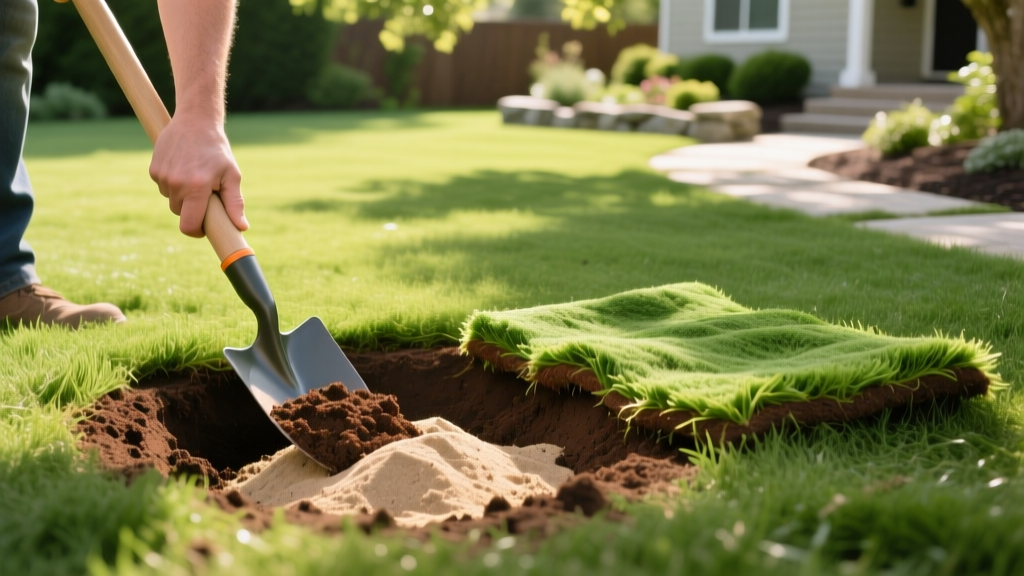
- Base Preparation: Excavating 3 to 4 inches of soil and laying a compacted base of class II road base and decomposed granite is critical. This labor-intensive step accounts for a massive portion of the cost.
- Infill: Materials like silica sand or odor-absorbing Zeolite are brushed into the turf to keep the blades upright and provide weight, costing an additional $0.50 to $1.00 per square foot.
Total Estimated Cost: $12.00 to $22.00 per square foot installed. A 500-square-foot backyard pet run will cost between $6,000 and $11,000.
4. Hardscaping and Permeable Ground Covers
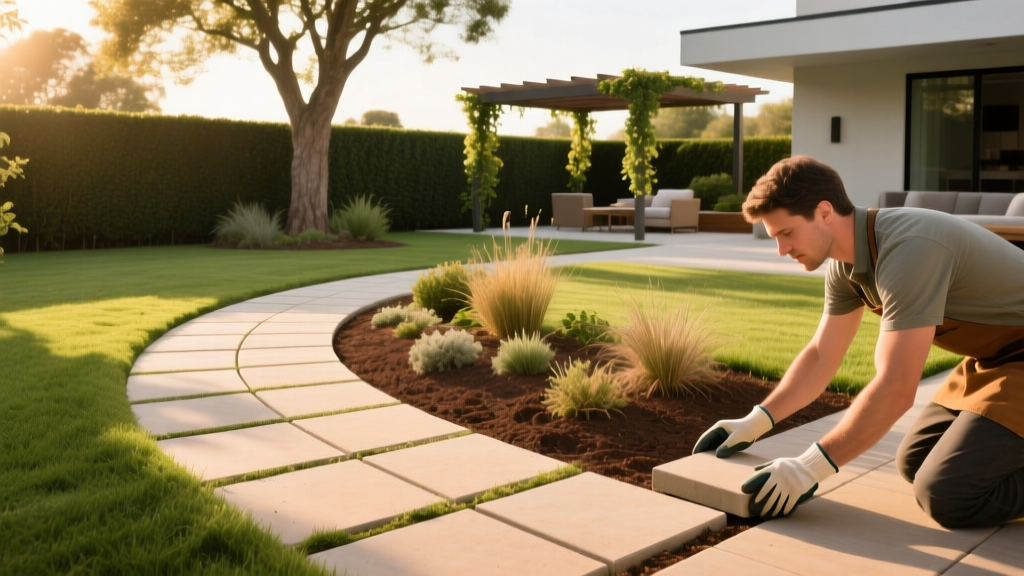
Expanding your outdoor living space by replacing grass with hardscaping elements like flagstone patios, permeable pavers, or gravel pathways is a fantastic way to reduce yard work while increasing your home's usable square footage.
Cost Factors:
- Pea Gravel or Crushed Stone: The most economical hardscape option, costing $2.00 to $5.00 per square foot installed. Edging and landscape fabric are required to keep weeds at bay.
- Natural Flagstone: Mortared flagstone over a concrete slab costs $15.00 to $30.00 per square foot.
- Permeable Pavers: Excellent for drainage solutions, these interlocking systems cost $10.00 to $20.00 per square foot.
Comprehensive Cost Comparison Table
To help you visualize the financial commitment required for different landscaping strategies, review the comparison chart below. These estimates reflect national averages for professional installation on a flat, easily accessible 1,000-square-foot area.
| Lawn Alternative | Material Cost (per sq ft) | Professional Installation (per sq ft) | Annual Maintenance Cost | Estimated Lifespan |
|---|---|---|---|---|
| Xeriscaping / Native Beds | $3.00 - $8.00 | $5.00 - $10.00 | $200 - $400 (Pruning/Weeding) | Indefinite (with plant replacement) |
| Micro-Clover Eco-Lawn | $0.20 - $0.80 | $1.00 - $2.00 | $50 - $100 (Mowing/Water) | 5 - 10 Years (before overseeding) |
| Artificial Turf | $4.00 - $8.00 | $8.00 - $14.00 | $100 - $200 (Rinsing/Sanitizing) | 15 - 20 Years |
| Pea Gravel / Crushed Stone | $1.00 - $2.50 | $1.50 - $3.00 | $100 (Raking/Top-ups) | Indefinite |
| Permeable Pavers | $5.00 - $10.00 | $8.00 - $15.00 | $150 (Joint sand/weed control) | 25+ Years |
Site Preparation: The Unseen Landscaping Costs
One of the most common mistakes homeowners make when budgeting for a landscape renovation is underestimating the cost of site preparation. You cannot simply lay artificial turf or plant native shrubs directly on top of an existing, compacted lawn. The existing turf must be removed, and the soil must be amended.
Turf Removal Methods:
- Mechanical Removal (Sod Cutter): Renting a sod cutter costs about $100 to $150 per day. This is the fastest method but generates thousands of pounds of heavy sod waste that must be hauled away. Dumpster rentals or junk removal services can add $300 to $600 to your budget.
- Solarization: Covering the lawn in clear plastic sheeting during the hottest months of summer to bake the grass and weed seeds. This costs less than $50 in materials but takes 4 to 8 weeks.
- Sheet Mulching (Lasagna Composting): Smothering the grass with overlapping cardboard and topping it with 4 inches of wood chips. This is virtually free if you source cardboard from local appliance stores and arborist wood chips for free, but it requires 2 to 3 months of waiting before planting.
Additionally, if you are converting to xeriscaping, you will likely need to cap off your traditional pop-up sprinkler system and trench new lines for a drip irrigation system. Hiring a licensed irrigation specialist to perform this conversion typically costs between $800 and $1,500 for an average-sized yard.
Maximizing ROI: Rebates and Water Incentives
Because traditional lawns place such a massive burden on municipal water supplies, many local governments and water districts offer aggressive financial incentives to homeowners who replace their turf. These rebate programs can drastically offset your initial landscaping costs.
For example, the Southern Nevada Water Authority (SNWA) offers one of the most famous and lucrative turf replacement programs in the country, paying homeowners up to $3.00 per square foot of grass removed and replaced with desert-friendly landscaping. Similar programs exist in California, Texas, and Arizona, often providing between $1.00 and $2.00 per square foot. Before you finalize your landscaping budget, contact your local water utility to inquire about active turf-buyback programs, as these can sometimes cover 30% to 50% of your total project costs.
Final Thoughts on Landscaping Budgets
Transitioning away from a traditional turf lawn is a significant landscaping project that requires careful financial planning. While alternatives like artificial turf and elaborate xeriscaping carry high upfront costs, they offer dramatic reductions in annual maintenance, water usage, and chemical applications. On the other hand, eco-lawns featuring micro-clover provide a budget-friendly, DIY-accessible route to a greener, more sustainable yard.
Ultimately, the best choice depends on your local climate, your HOA regulations, and how you intend to use your outdoor living space. By weighing the initial installation costs against the long-term savings and potential municipal rebates, you can design a beautiful, sustainable landscape that adds lasting value to your home without draining your bank account year after year.