Landscaping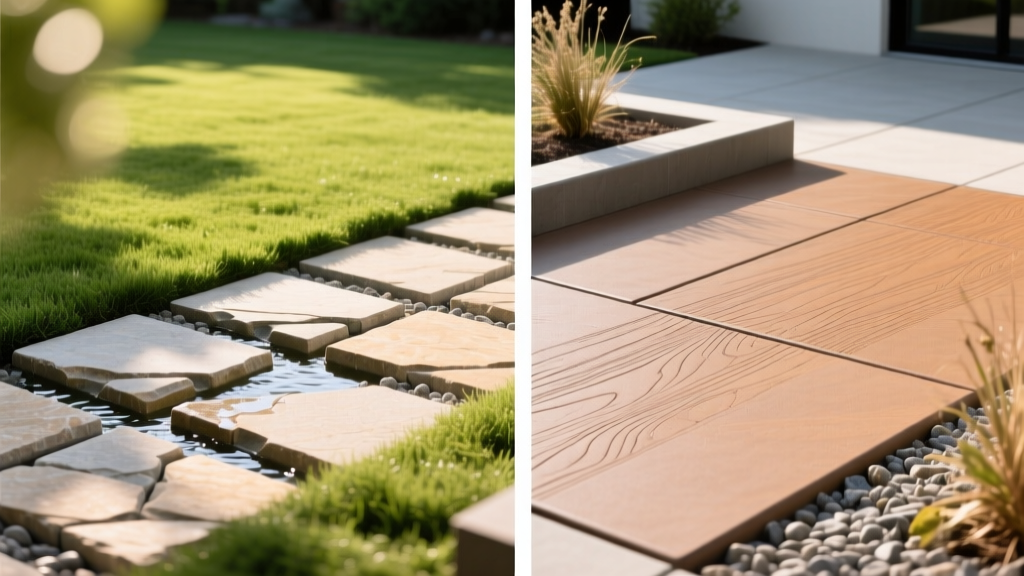
Permeable Pavers vs Stamped Concrete: Best Patio Choice
David ParkPublished
Introduction to Sustainable Patio Hardscaping
When designing an outdoor living space, the hardscaping materials you choose dictate not only the aesthetic appeal of your garden but also the long-term functionality and environmental impact of your property. For homeowners looking to build a new patio, walkway, or pool deck, two popular options frequently emerge: permeable pavers and stamped concrete. While both materials offer stunning visual results and durable surfaces, they perform vastly differently when it comes to stormwater management, installation requirements, and long-term maintenance.
Choosing between these two hardscaping giants requires a deep understanding of your local climate, soil conditions, and landscaping goals. In this comprehensive guide, we will break down the differences between permeable interlocking concrete pavers (PICP) and stamped concrete, providing actionable advice, cost estimates, and environmental insights to help you make the best decision for your landscape design.
Understanding Permeable Pavers
Permeable pavers are a cornerstone of sustainable landscaping and green infrastructure. Unlike traditional paving, permeable interlocking concrete pavers are designed with wider joints that are filled with small, open-graded aggregate (typically ASTM No. 8 or No. 9 crushed stone). These joints allow rainwater to pass directly through the surface and into a deeply excavated stone reservoir base below.
This reservoir base, usually composed of larger crushed stone like ASTM No. 57, temporarily stores the water and allows it to slowly infiltrate the underlying soil. According to the Environmental Protection Agency (EPA), permeable pavements are highly effective at reducing stormwater runoff, filtering out pollutants, and recharging local groundwater supplies. This makes them an ideal choice for properties with poor drainage, heavy clay soils, or strict municipal runoff regulations.
Key Benefits of Permeable Pavers
- Superior Drainage: Eliminates puddling and reduces the burden on municipal storm sewers.
- Eco-Friendly: Filters pollutants like oil and heavy metals before they reach the water table.
- Flexibility: The interlocking design and gravel base allow the surface to shift slightly during freeze-thaw cycles without cracking.
- Easy Repairs: If a paver stains or breaks, it can be individually lifted and replaced without affecting the rest of the patio.
The Appeal of Stamped Concrete
Stamped concrete is a highly versatile hardscaping material that involves pouring a continuous slab of concrete and then pressing textured mats into the surface before it cures. Combined with integral color hardeners and antique release agents, stamped concrete can convincingly mimic the look of natural flagstone, slate, cobblestone, or even wood planks, often at a fraction of the cost of the genuine materials.
While standard concrete is impermeable, stamped concrete provides a seamless, solid surface that is excellent for high-traffic outdoor dining areas, as the flat, continuous surface prevents chairs and tables from wobbling. However, because it forms a solid barrier, water cannot penetrate the surface. Proper landscaping with stamped concrete requires meticulous grading and the installation of drainage channels or French drains to direct runoff away from your home's foundation and garden beds.
Key Benefits of Stamped Concrete
- Aesthetic Versatility: Unlimited color and pattern combinations to match any architectural style.
- Seamless Surface: Ideal for patios requiring flat surfaces for outdoor furniture and grilling stations.
- Weed Resistance: Unlike pavers, there are no joints for weeds to take root in (though control joints are necessary).
- Design Continuity: Can be poured into custom curves, radii, and complex shapes without the need for cutting individual stones.
Head-to-Head Comparison Chart
To visualize how these two materials stack up against one another, review the comparison table below. This chart highlights the critical differences in cost, lifespan, and environmental impact.
| Feature | Permeable Pavers (PICP) | Stamped Concrete |
|---|---|---|
| Average Installed Cost | $12 - $25 per sq. ft. | $14 - $28 per sq. ft. |
| Expected Lifespan | 30 to 50+ years | 25 to 30 years |
| Stormwater Management | Excellent (Infiltrates on-site) | Poor (Requires surface runoff management) |
| Winter Durability | High (Resists freeze-thaw cracking) | Moderate (Prone to cracking if base fails) |
| Maintenance Level | Moderate (Joint stone replenishment) | Moderate (Resealing every 2-3 years) |
| Repairability | Easy (Replace individual units) | Difficult (Patching is highly visible) |
Cost Breakdown and Installation Requirements
Both permeable pavers and stamped concrete are premium hardscaping options that require professional installation to ensure longevity. However, the underlying preparation for each is vastly different, which heavily influences the final price tag.
Permeable Paver Installation
The secret to a successful permeable patio lies in the base. Installation requires deep excavation, often 12 to 18 inches below the surface, to accommodate the stone reservoir. The base must be filled with clean, washed, open-graded crushed stone that provides structural support while leaving void spaces for water storage. Because this requires moving significantly more earth and importing more aggregate, the labor and material costs for the base preparation are higher. Expect to pay between $12 and $25 per square foot, depending on soil conditions and the complexity of the paver pattern.
Stamped Concrete Installation
Stamped concrete requires a more traditional subgrade. The excavation is typically 8 to 10 inches deep, filled with 4 to 6 inches of compacted gravel, followed by a 4-inch pour of high-strength concrete (minimum 3,500 to 4,000 PSI). Reinforcement such as welded wire mesh or rebar is essential, as are control joints cut into the slab to dictate where the concrete will naturally crack as it cures and shifts. The stamping and coloring process is highly labor-intensive and time-sensitive, pushing the cost to $14 to $28 per square foot.
Drainage, Runoff, and Environmental Impact
From a sustainable landscaping perspective, permeable pavers are the undisputed champion. As urban and suburban areas expand, impervious surfaces like traditional concrete contribute to the 'heat island' effect and cause polluted stormwater to overwhelm local waterways. The U.S. Green Building Council (USGBC) recognizes permeable paving as a key strategy for earning LEED (Leadership in Energy and Environmental Design) credits in the Sustainable Sites category.
If your property is located in a municipality with strict impervious surface limits, or if you are trying to eliminate a notoriously soggy backyard, permeable pavers solve the problem at the source. Stamped concrete, conversely, acts as a giant umbrella. You must incorporate a slope of at least 1/8 inch per foot away from structures and potentially install trench drains or dry creek beds to handle the displaced water. If you prioritize eco-friendly landscaping and watershed protection, permeable pavers are the superior choice.
Maintenance and Longevity
No hardscape is truly 'maintenance-free,' but the type of upkeep required varies greatly between these two materials.
Maintaining Permeable Pavers
The primary maintenance concern for permeable pavers is the clogging of the joints. Over time, wind-blown soil, organic debris, and moss can accumulate in the aggregate joints, reducing the surface's permeability. To maintain optimal drainage, homeowners should vacuum the surface with a wet/dry shop vac or specialized paver vacuum once or twice a year. Additionally, the joint stone may need to be replenished every few years to keep the pavers securely interlocked. De-icing salts can be used safely, as the system is highly resistant to freeze-thaw damage.
Maintaining Stamped Concrete
Stamped concrete requires a strict sealing schedule. The acrylic or polyurethane sealer that protects the color and provides a glossy or matte finish will degrade under UV exposure and foot traffic. You must reseal the patio every 2 to 3 years to prevent the colors from fading and the surface from spalling. Furthermore, despite the best installation practices, concrete will eventually crack. While control joints help manage this, shifting soil or tree roots can cause structural cracks that are nearly impossible to hide on a stamped surface, often requiring complete slab replacement.
'A well-designed landscape balances aesthetic desires with the natural hydrology of the site. Ignoring drainage in hardscaping projects is the leading cause of foundation damage and landscape failure.'
Aesthetic and Design Flexibility
When it comes to pure visual customization, stamped concrete offers a slight edge in terms of seamless continuity. Because it is poured as a liquid, it can be formed into sweeping curves, intricate medallions, and multi-level terraces without the visible cutting lines associated with stone. You can match the color of your stamped concrete to the exact hue of your home's exterior trim or roof.
However, modern permeable pavers have come a long way from the industrial-looking grid systems of the past. Today's architectural pavers mimic the look of natural bluestone, tumbled brick, and rustic cobblestone. By utilizing a random-lay pattern and mixing multiple color blends, you can achieve a highly organic, custom look that rivals natural stone. The trade-off is the visible joint lines, which some homeowners love for the traditional, masonry aesthetic they provide.
Final Verdict: Which Should You Choose?
The decision between permeable pavers and stamped concrete ultimately hinges on your site's drainage needs and your long-term maintenance preferences.
Choose Permeable Pavers if: You have poor soil drainage, live in an area with heavy rainfall or strict runoff regulations, want an eco-friendly landscape that supports groundwater recharge, and prefer a surface that will not crack in freezing temperatures and is easily repairable.
Choose Stamped Concrete if: You have excellent natural yard grading, require a perfectly smooth surface for intricate outdoor dining setups, want a seamless, custom-colored design that mimics natural stone, and are committed to a strict resealing maintenance schedule every few years.
Both materials will dramatically increase your home's curb appeal and provide a beautiful foundation for your outdoor living space. By weighing the environmental benefits of permeability against the seamless aesthetics of stamped concrete, you can confidently select the hardscaping solution that best aligns with your landscaping vision.