Landscaping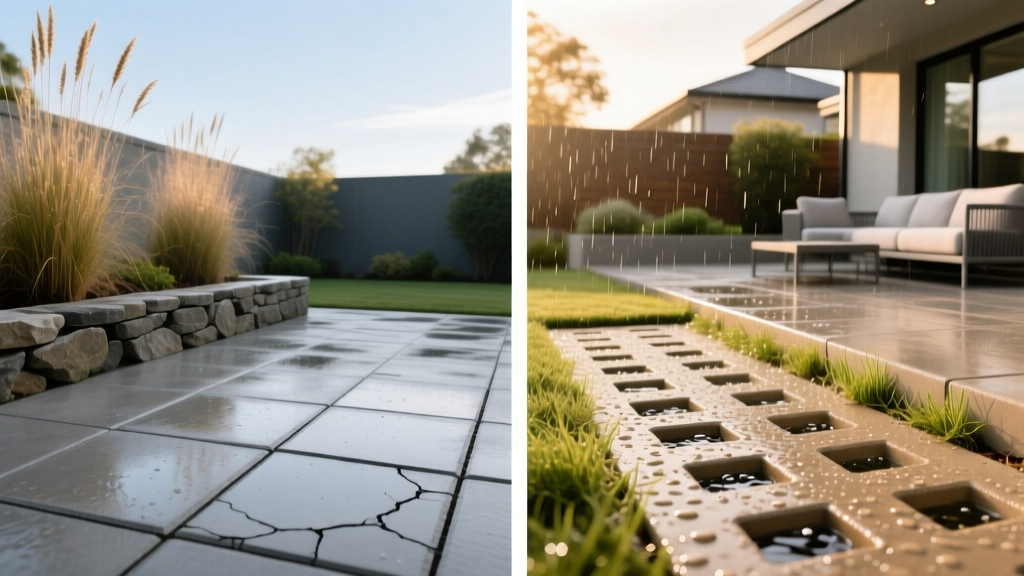
Permeable vs Traditional Pavers: Which Hardscape is Best?
Lisa ThompsonPublished
Introduction to Hardscaping and Drainage Solutions
When designing an outdoor living space, driveway, or patio, the materials you choose dictate not only the aesthetic appeal but also the long-term functionality of your landscape. Hardscaping projects require careful planning, especially when it comes to water management. Two of the most popular choices for homeowners and landscape architects alike are Permeable Interlocking Concrete Pavers (PICP) and Traditional Concrete Pavers. While they may look similar on the surface, their engineering, environmental impact, and installation processes are vastly different.
In this comprehensive product comparison, we will break down permeable pavers versus traditional concrete pavers. We will explore costs, installation requirements, maintenance routines, and environmental benefits to help you decide which hardscaping product is best for your specific landscaping needs.
What Are Traditional Concrete Pavers?
Traditional concrete pavers are dense, solid blocks of concrete manufactured in a variety of shapes, colors, and textures. They are designed to interlock or sit adjacent to one another, creating a durable surface for foot traffic and vehicular loads.
The Installation Profile
A standard traditional paver installation relies on a compacted, impermeable base. The typical profile includes:
- Sub-base: 4 to 6 inches of compacted crushed gravel (often ASTM No. 57 or similar).
- Bedding Layer: 1 inch of coarse masonry sand.
- Jointing Material: Fine polymeric sand or regular masonry sand swept into the tight joints between the pavers.
Because the joints are tightly filled with fine sand and the base is compacted, water cannot easily penetrate the surface. Instead, rainwater flows across the surface, requiring strategic grading and drainage solutions like French drains or catch basins to prevent pooling and runoff.
What Are Permeable Pavers?
Permeable Interlocking Concrete Pavers (PICP) are specifically engineered to manage stormwater at the source. While the pavers themselves are made of solid concrete, they feature built-in spacer bars or unique shapes that create significantly wider joints than traditional pavers.
The Installation Profile
The magic of permeable pavers lies not just in the paver, but in the open-graded base beneath it. According to the Environmental Protection Agency (EPA), permeable pavements are a critical green infrastructure tool that allows stormwater to infiltrate through the surface and into the ground, filtering pollutants and reducing the burden on municipal sewer systems.
The typical profile includes:
- Reservoir Base: 6 to 12 inches (or more) of open-graded, washed crushed stone (ASTM No. 2 or No. 3). This layer acts as a reservoir, temporarily holding water while it slowly percolates into the native soil.
- Bedding Layer: 2 inches of smaller, open-graded washed stone (ASTM No. 8 or No. 57).
- Jointing Material: Small, angular crushed stone (ASTM No. 8 or No. 9) swept into the wide joints. No sand is ever used, as sand would clog the system.
Head-to-Head Comparison Chart
To visualize the differences, here is a structured comparison of the two hardscaping products:
| Feature | Traditional Concrete Pavers | Permeable Pavers (PICP) |
|---|---|---|
| Surface Water Drainage | Impermeable; requires surface grading and drains | Highly permeable; water drains directly through joints |
| Base Material | Compacted gravel and masonry sand | Open-graded, washed crushed stone (no sand) |
| Joint Filler | Polymeric sand or fine masonry sand | Angular crushed stone (ASTM No. 8 or 9) |
| Average Installed Cost | $12 - $18 per square foot | $18 - $25+ per square foot |
| Excavation Depth | Moderate (6-8 inches) | Deep (10-16+ inches depending on soil) |
| Environmental Impact | Contributes to stormwater runoff | Filters pollutants, recharges groundwater |
| Winter Maintenance | Standard snow plowing and de-icing | Plowing requires care; sand cannot be used for ice |
Cost Analysis: Upfront vs. Long-Term Value
When budgeting for a landscaping project, cost is often the deciding factor. Traditional concrete pavers are generally more affordable upfront. The materials are widely available, and the excavation and base preparation require less labor and fewer tons of aggregate. On average, a traditional paver patio costs between $12 and $18 per square foot installed.
Permeable pavers, on the other hand, carry a premium. The pavers themselves may cost slightly more, but the real expense lies in the base preparation. Excavating an extra 4 to 8 inches of soil and filling that void with expensive, washed, open-graded stone significantly increases material and labor costs. Expect to pay between $18 and $25 per square foot for a professionally installed permeable driveway or patio.
However, long-term value must be considered. In areas with strict municipal stormwater regulations, homeowners may be required to install retention ponds or pay heavy stormwater utility fees based on the amount of impermeable surface on their property. By installing permeable pavers, you can often offset these fees, qualify for local green infrastructure rebates, and eliminate the need to install costly French drains or trench drains to manage runoff.
Installation and Base Preparation
The installation of traditional pavers is a skill that many DIY landscapers and general contractors possess. The key to success is achieving proper compaction of the sub-base and ensuring a precise slope (usually a 1% to 2% grade) to direct water away from structures.
Permeable paver installation is highly specialized. It requires a deep understanding of soil infiltration rates and hydrology. If the native soil is heavy clay, the water reservoir base must be enlarged to hold more water, or an underdrain pipe must be installed to slowly release water into the municipal system. Furthermore, the stone used in the base must be meticulously washed. Any residual dust or dirt will clog the voids between the stones, destroying the permeability of the system. Because of these strict engineering requirements, hiring a certified hardscape professional is strongly recommended for permeable projects.
Maintenance Requirements
A common misconception is that permeable pavers are maintenance-free. In reality, both systems require upkeep, but of different varieties.
Traditional Paver Maintenance
- Weed Control: Weed seeds can blow into the polymeric sand joints and take root.
- Re-sanding: Over time, joint sand can wash out or degrade, requiring the application of new polymeric sand.
- Sealing: Many homeowners choose to seal traditional pavers every 3 to 5 years to enhance color and protect against stains.
Permeable Paver Maintenance
- Vacuuming: The primary enemy of permeable pavers is sediment. Leaves, dirt, and debris can clog the stone joints. The National Wildlife Federation (NWF) and sustainable landscaping experts recommend regular sweeping and occasional vacuuming of the joints to maintain infiltration rates.
- Stone Top-Ups: The jointing stone may settle or be displaced over time, requiring periodic top-ups with fresh ASTM No. 8 or No. 9 stone.
- Winter Care: You cannot use sand or cinders for traction on ice, as they will permanently clog the joints. Instead, use standard de-icing salts or rely on the natural traction of the textured paver surface.
Which Hardscape Product Should You Choose?
Choose Traditional Concrete Pavers If:
- You are working with a tighter budget.
- The project is a covered patio or an area where heavy rainfall is not a primary concern.
- Your local soil already has excellent natural drainage, and you have an existing, functional yard drainage system to handle surface runoff.
- You prefer a tight-joint, seamless aesthetic and plan to seal the pavers for a polished look.
Choose Permeable Pavers If:
- You are paving a large driveway or front walkway where reducing stormwater runoff is a priority.
- Your property suffers from severe puddling, erosion, or poor surface drainage.
- You want to pursue sustainable landscaping practices, protect local waterways from polluted runoff, and potentially qualify for municipal green rebates.
- You are building in an area with strict impervious surface coverage limits.
Conclusion
Both traditional concrete pavers and permeable interlocking concrete pavers offer exceptional durability, curb appeal, and design versatility. Traditional pavers remain the gold standard for cost-effective, beautiful patios and walkways where surface drainage is easily managed. However, as environmental awareness grows and municipal stormwater regulations become stricter, permeable pavers are rapidly becoming the superior choice for eco-conscious homeowners and large-scale hardscaping projects. By weighing the upfront costs against the long-term drainage benefits and environmental impact, you can select the perfect paving solution to elevate your landscape for decades to come.