Landscaping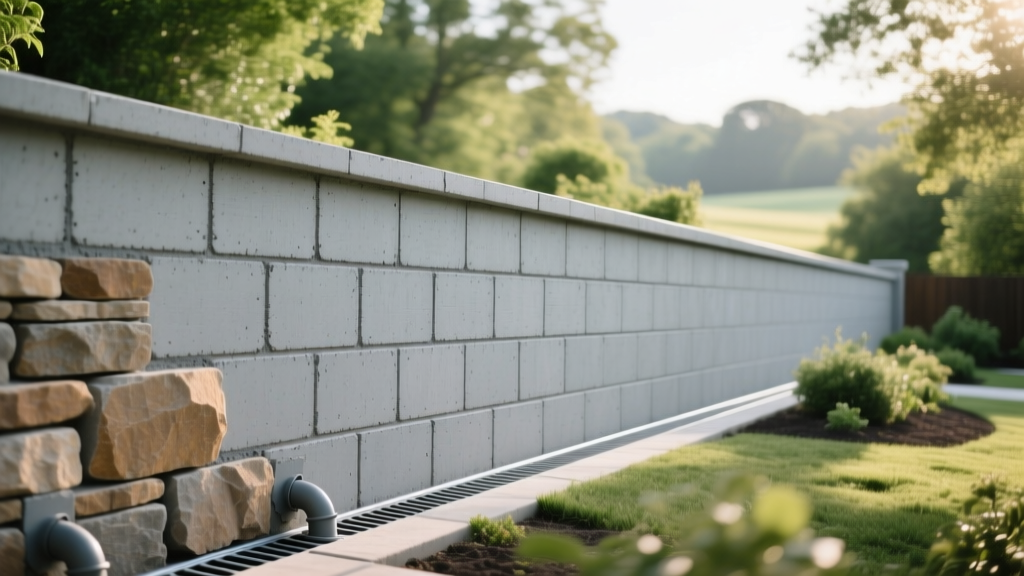
Retaining Wall Costs: Material and Labor Pricing Guide
Sarah ChenPublished
Introduction to Retaining Wall Costs
Building a retaining wall is one of the most impactful landscaping projects you can undertake. Whether you are looking to prevent soil erosion, create a terraced garden, or carve out a flat patio space on a sloped yard, a retaining wall provides essential structural support and dramatic curb appeal. However, because these structures must hold back thousands of pounds of earth and manage complex hydrostatic water pressure, they require careful planning, engineering, and a realistic budget.
On average, homeowners can expect to pay between $20 and $50 per square foot for a professionally installed retaining wall. A standard 4-foot-high by 20-foot-long wall (80 square feet) typically costs between $1,600 and $4,000. However, the final price tag is heavily influenced by your choice of materials, site accessibility, local permit requirements, and the complexity of the drainage system required to keep the wall intact for decades.
Average Retaining Wall Costs by Material
The material you choose will dictate not only the aesthetic of your landscape but also the structural longevity and the baseline cost of the project. Below is a comparative breakdown of the most common retaining wall materials.
| Material Type | Material Cost (Per Sq. Ft.) | Total Installed Cost (Per Sq. Ft.) | Expected Lifespan |
|---|---|---|---|
| Concrete Blocks (Segmental) | $5 - $12 | $20 - $35 | 50 - 100+ Years |
| Natural Stone (Dry Stack/Veneer) | $15 - $35 | $40 - $75 | 100+ Years |
| Treated Timber / Wood | $5 - $15 | $15 - $25 | 15 - 20 Years |
| Poured Concrete | $10 - $25 | $35 - $60 | 75 - 100+ Years |
| Brick | $8 - $15 | $30 - $50 | 50 - 100 Years |
Concrete Blocks and Segmental Pavers
Segmental retaining wall (SRW) blocks are the most popular choice for modern landscaping. They are manufactured with a lip or pinning system that makes them relatively easy to stack and align. According to technical guidelines from the Interlocking Concrete Pavement Institute (ICPI), these concrete units are highly durable, resistant to freeze-thaw cycles, and can be reinforced with geogrid mesh for walls exceeding 4 feet in height. The materials are cost-effective, but the labor to prepare a perfectly level gravel base and compact the backfill adds significantly to the total price.
Natural Stone and Veneer
Natural stone offers an unmatched, premium aesthetic that blends seamlessly into organic garden designs. Dry-stack natural stone requires immense skill to fit together without mortar, driving up labor costs. Alternatively, you can build a structural core out of concrete block and apply a natural stone veneer to the face. While the material cost per square foot is high due to quarrying and shipping weight, the lifespan of a properly drained natural stone wall is virtually indefinite.
Timber and Wood
Pressure-treated timber or railroad ties are often chosen for budget-friendly, rustic landscapes. While the upfront material and labor costs are the lowest on the market, timber is susceptible to rot, insect damage, and soil acidity over time. Timber walls are generally not recommended for heights over 4 feet or for supporting heavy structural loads like driveways, as the deadmen (anchor timbers) buried in the soil will eventually degrade.
Labor Costs and Installation Factors
Labor typically accounts for 50% to 60% of the total cost of a retaining wall project. The National Association of Landscape Professionals (NALP) emphasizes that proper installation is far more critical than the material itself; a poorly installed expensive stone wall will fail much faster than a perfectly installed budget concrete block wall.
Labor costs generally range from $15 to $35 per square foot, but several site-specific factors can push these rates higher:
- Site Accessibility: If heavy machinery like a mini-excavator or skid steer cannot access your backyard, laborers must excavate and move tons of soil and gravel by hand using wheelbarrows. This can increase labor costs by 20% to 40%.
- Soil Type: Rocky or heavy clay soils require more time to excavate and may necessitate specialized equipment or rock-breaking attachments.
- Wall Curves and Corners: Straight walls are fast to build. Complex curves, 90-degree corners, and terraced step-downs require precise cutting of materials and meticulous base leveling, increasing the hourly labor burden.
Hidden Costs: Drainage, Permits, and Site Prep
When budgeting for a hardscaping project, homeowners often overlook the critical infrastructure that goes behind and beneath the wall. As noted by landscaping experts at This Old House, hydrostatic pressure—the buildup of water-saturated soil behind the wall—is the number one cause of retaining wall bulging and collapse. Budgeting for proper water management is non-negotiable.
Drainage Systems
A proper drainage system includes several components that add to your material list:
- Perforated Drain Pipe (Weeping Tile): Placed at the base of the wall behind the blocks, this pipe collects groundwater and routes it away from the wall. Cost: $0.75 to $2.00 per linear foot.
- Clear-Gravel Backfill: The space immediately behind the wall (usually 12 inches wide) must be filled with washed, clear 3/4-inch gravel to allow water to percolate down to the drain pipe. Cost: $30 to $50 per ton.
- Landscape Fabric: Placed between the gravel backfill and the native soil to prevent silt from clogging the drainage gravel over time. Cost: $0.50 to $1.00 per square foot.
Geogrid Reinforcement
For any retaining wall over 3 or 4 feet high, synthetic geogrid mesh is required. This mesh is layered between the courses of block and extended back into the compacted soil, effectively tying the wall face to the earth behind it to create a single, cohesive mass. Geogrid adds roughly $1.50 to $3.00 per square foot to the material cost.
Permits and Engineering
Most municipalities require a building permit for retaining walls that exceed 3 or 4 feet in height (measured from the bottom of the footing to the top of the wall). Permit fees typically range from $50 to $250. Furthermore, your local building department will likely require a stamped engineering plan drawn up by a licensed geotechnical or structural engineer, which can cost anywhere from $500 to $1,500 depending on the complexity and soil conditions of your property.
DIY vs. Professional Installation: A Cost Comparison
Many homeowners consider building a retaining wall as a DIY weekend project to save on labor. While this is feasible for small, gravity-based garden walls under 3 feet tall, larger structural walls carry immense financial and safety risks if built incorrectly.
- DIY Cost (20 ft. x 3 ft. Concrete Block Wall): $800 - $1,200. This covers the blocks, gravel base, drainage pipe, fabric, and tool rental (plate compactor, masonry saw). You save roughly $1,500 in labor, but you must supply the physical labor to move approximately 3 to 5 tons of earth and gravel.
- Professional Cost (20 ft. x 3 ft. Concrete Block Wall): $2,000 - $3,500. This includes site excavation, professional base compaction, engineered drainage, material delivery, and a warranty on the structural integrity of the wall.
If your wall is supporting a driveway, a home foundation, or is located on a property line, professional installation and engineering are strongly advised to avoid catastrophic property damage and liability issues.
Long-Term Maintenance Costs
Retaining walls are not entirely 'install and forget' structures. To protect your investment, factor in minor long-term maintenance costs:
- Sealing (Natural Stone & Brick): Applying a breathable masonry sealer every 3 to 5 years prevents water intrusion and efflorescence (white mineral staining). Cost: $150 - $300 per application.
- Weep Hole Clearing: Annually inspecting and clearing weep holes or exposed drain pipe outlets to ensure they are not clogged by debris or rodent nests. Cost: Free (DIY) or $100 for a landscape maintenance visit.
- Re-leveling Capstones: Over a decade, frost heave may slightly shift the top capstones. Re-applying masonry adhesive and leveling the caps costs roughly $50 to $100 in materials.
Conclusion
A well-constructed retaining wall is a masterpiece of landscape engineering that solves grading issues while creating beautiful, usable outdoor living spaces. By understanding the true costs of materials, the necessity of rigorous drainage systems, and the value of professional labor, you can accurately budget for a hardscaping project that will stand the test of time. Always consult with local landscape professionals and your municipal building department before breaking ground to ensure your project is safe, legal, and structurally sound.