Landscaping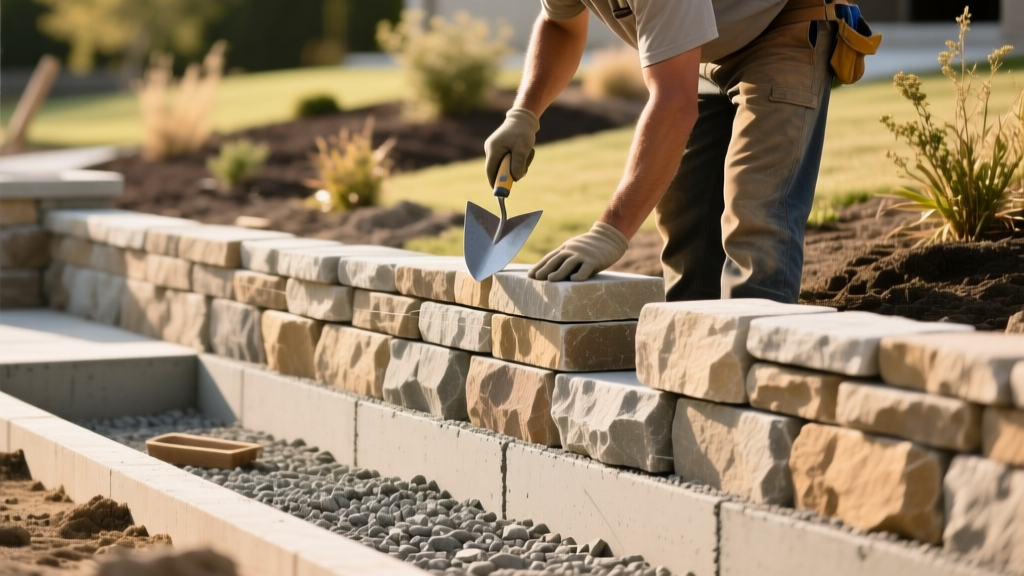
Retaining Wall Installation Costs: Complete Pricing Guide
James MillerPublished
The True Cost of Installing a Retaining Wall
Landscaping on a sloped property presents unique challenges, from soil erosion to unusable yard space. Installing a retaining wall is one of the most effective hardscaping solutions to terrace a slope, prevent runoff, and create flat, functional outdoor living areas. However, because retaining walls must withstand immense lateral earth pressure and manage groundwater, they are complex engineering projects disguised as garden features. Understanding the complete cost breakdown is essential before you begin digging.
On average, homeowners spend between $40 and $80 per square foot for a professionally installed retaining wall. For a standard wall that is 3 feet high and 30 feet long (90 square feet of face), the total project cost typically ranges from $3,600 to $7,200. However, this price can fluctuate wildly based on material selection, site accessibility, soil conditions, and local permitting requirements. This comprehensive pricing guide will break down every cost factor involved in building a durable, code-compliant retaining wall.
Average Retaining Wall Costs by Material
The material you choose dictates not only the aesthetic appeal of your landscape but also the structural integrity, lifespan, and base preparation required for the wall. Below is a comparison of the most common retaining wall materials used in residential landscaping.
| Material Type | Cost per Sq. Ft. (Installed) | Expected Lifespan | Best Application |
|---|---|---|---|
| Pressure-Treated Timber | $15 - $25 | 15 - 20 Years | Short, rustic garden walls under 3 feet |
| Interlocking Concrete Block | $25 - $40 | 50+ Years | Versatile, curved or straight structural walls |
| Poured Concrete | $35 - $55 | 50+ Years | Modern aesthetics, extreme load-bearing needs |
| Natural Stone (Limestone/Granite) | $45 - $80+ | Lifetime | High-end curb appeal, premium landscapes |
| Brick | $35 - $55 | 50+ Years | Formal gardens, matching existing architecture |
Deep Dive: Material Costs and Considerations
Segmental Retaining Wall (SRW) Blocks
Interlocking concrete blocks, often referred to as Segmental Retaining Walls (SRWs), are the industry standard for residential landscaping. Brands like Allan Block and Versa-Lok offer hollow-core blocks that are lightweight, easy to align, and designed to be reinforced with geogrid. The blocks themselves cost between $3 and $6 per piece, but when factoring in base gravel, drainage stone, and caps, the installed cost averages $25 to $40 per square foot. According to engineering guidelines published by the National Concrete Masonry Association (NCMA), SRWs are highly preferred because their flexible, mortarless design allows them to shift slightly with freeze-thaw cycles without cracking.
Pressure-Treated Timber
Landscape timbers (typically 6x6 inch pressure-treated pine) are the most budget-friendly option upfront. They are secured using landscaping spikes or galvanized deadmen anchors driven into the soil behind the wall. While cheap, timber is susceptible to rot, termite damage, and warping over time. Furthermore, the environmental impact of creosote or chemical treatments leaching into garden beds makes them less desirable for modern sustainable landscaping.
Natural Stone
Natural stone offers unmatched, timeless beauty but comes at a premium. Because natural stones lack uniform interlocking lips, they require a highly skilled mason to lay them properly, often using mortar or a meticulously compacted dry-stack method. The cost of the stone alone can exceed $30 per square foot, and the specialized labor pushes the total installed cost well past $60 per square foot.
Labor, Excavation, and Site Preparation
Labor accounts for roughly 50% to 60% of your total retaining wall budget. Building a retaining wall is not simply about stacking blocks; it is about excavating and preparing a foundation that will support thousands of pounds of earth. Professional landscaping crews typically charge between $50 and $100 per hour per worker.
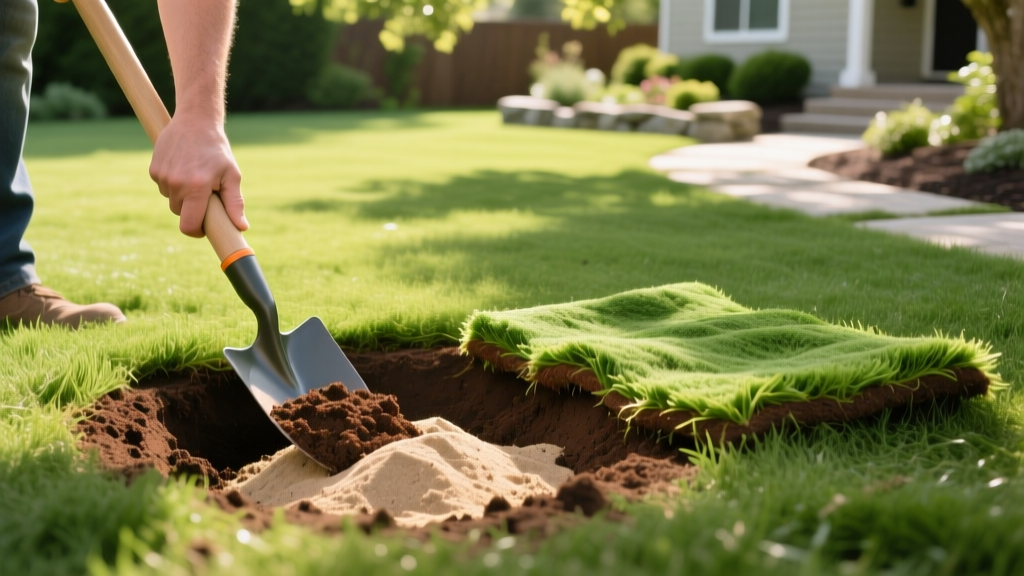
- Excavation and Trenching: A proper retaining wall requires a trench deep enough to bury the first course of blocks (usually 6 to 8 inches below grade) and wide enough to accommodate the block depth plus 12 inches of drainage gravel behind it.
- Base Preparation: The trench must be filled with 4 to 6 inches of angular, crushed gravel (such as 3/4-inch minus limestone) and mechanically compacted using a plate compactor. Round river rock cannot be used, as it shifts under pressure.
- Soil Removal: Excavating a trench and removing the heavy, clay-heavy backfill soil from your property will incur dump fees and haul-away costs, typically adding $300 to $800 to the project.
The Hidden Costs: Drainage and Reinforcement
The number one reason retaining walls fail, bulge, or collapse is improper drainage. Water trapped in the soil behind the wall creates hydrostatic pressure that can easily overpower the wall's structural weight. Budgeting for the following hidden components is non-negotiable for any wall exceeding 2 feet in height.
French Drain Systems
A perforated PVC pipe (4-inch diameter) must be laid at the base of the wall, directly behind the first course of blocks. This pipe must be wrapped in landscape fabric to prevent soil clogging and pitched slightly to allow water to daylight at the ends of the wall or tie into your yard's main stormwater drainage system. Expect to pay an additional $10 to $15 per linear foot for a proper drainage setup.
Geogrid Reinforcement
For walls taller than 3 or 4 feet, blocks alone are not heavy enough to hold back the earth. Geogrid—a high-tensile synthetic mesh—is layered between the courses of blocks and extended back into the compacted soil (the backfill). This ties the wall face to the earth behind it, creating a single, massive gravity structure. Geogrid material costs about $1.50 to $3.00 per square foot, but it requires significantly more excavation and engineered backfill to install correctly.
Permitting and Engineering Fees
Before breaking ground, you must consult your local municipal building department. In most jurisdictions, any retaining wall exceeding 4 feet in height (measured from the bottom of the base trench to the top of the wall) requires a building permit and a stamped design from a licensed structural engineer. The International Code Council (ICC) outlines these safety thresholds in the International Residential Code (IRC), which most local municipalities adopt to prevent catastrophic slope failures. Engineering plans typically cost between $500 and $1,500, while permit fees range from $50 to $250 depending on your zip code.
DIY vs. Professional Installation
Can you build a retaining wall yourself? If you are planning a small, terraced garden bed wall under 2 feet tall using interlocking concrete blocks or timber, a DIY approach is feasible for a seasoned weekend warrior. You will save roughly 50% on labor, limiting your expenses to materials, tool rentals (like a plate compactor and masonry saw), and delivery fees.
However, if your wall is over 3 feet tall, supports a driveway, or is located near a property line, professional installation is mandatory. Hiring a contractor certified by the National Association of Landscape Professionals (NALP) ensures that your crew understands soil mechanics, geogrid installation, and local building codes. A collapsed retaining wall can cause severe property damage and legal liability, making professional expertise a worthy investment.
Pro-Tip: Always call 811 before you dig. Having your local utility companies mark underground gas, water, and electrical lines is a free service that will save you from devastating and potentially dangerous excavation accidents.
Maintenance and Long-Term Costs
While hardscaping is generally low-maintenance, retaining walls do require occasional upkeep to ensure longevity. For natural stone or brick walls, you may need to apply a breathable masonry sealer every 3 to 5 years ($100 - $250) to prevent efflorescence (white, powdery salt stains) and water intrusion. For all wall types, you must annually inspect the weep holes and drainage outlets to ensure they are not clogged with debris, leaves, or soil. If a wall begins to lean or bulge, underpinning or rebuilding it can cost upwards of $10,000, highlighting the importance of doing it right the first time.
Summary: Budgeting for Your Landscape Transformation
A retaining wall is a major landscaping investment that dramatically improves curb appeal, solves drainage issues, and creates usable outdoor space. When planning your budget, look beyond the per-block cost at the hardware store. Factor in the crushed stone base, the washed drainage gravel, the geogrid, the excavation labor, and the potential need for engineering permits. By understanding these variables and hiring qualified professionals for structural projects, you can ensure your retaining wall stands strong and beautiful for decades to come.