Landscaping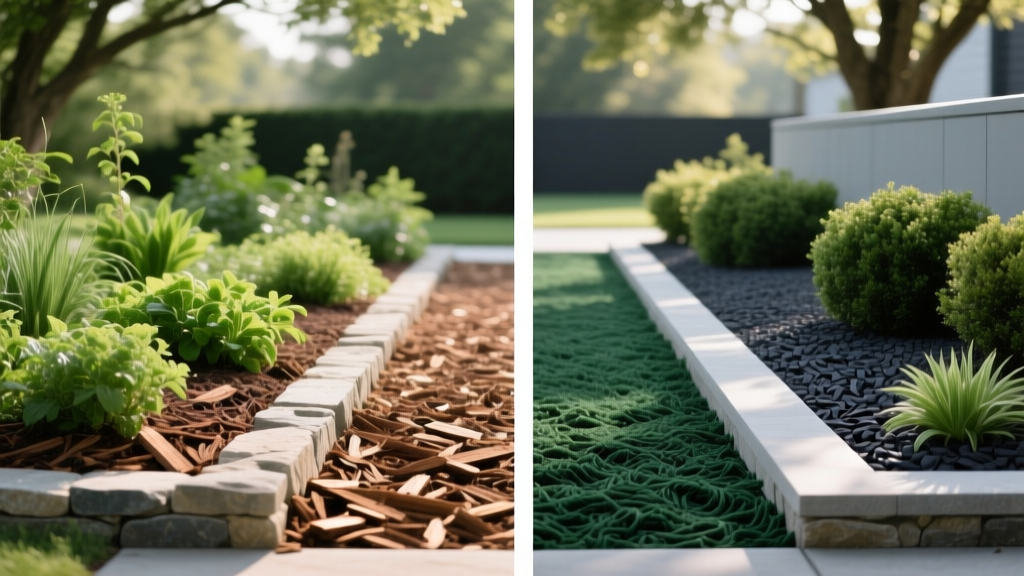
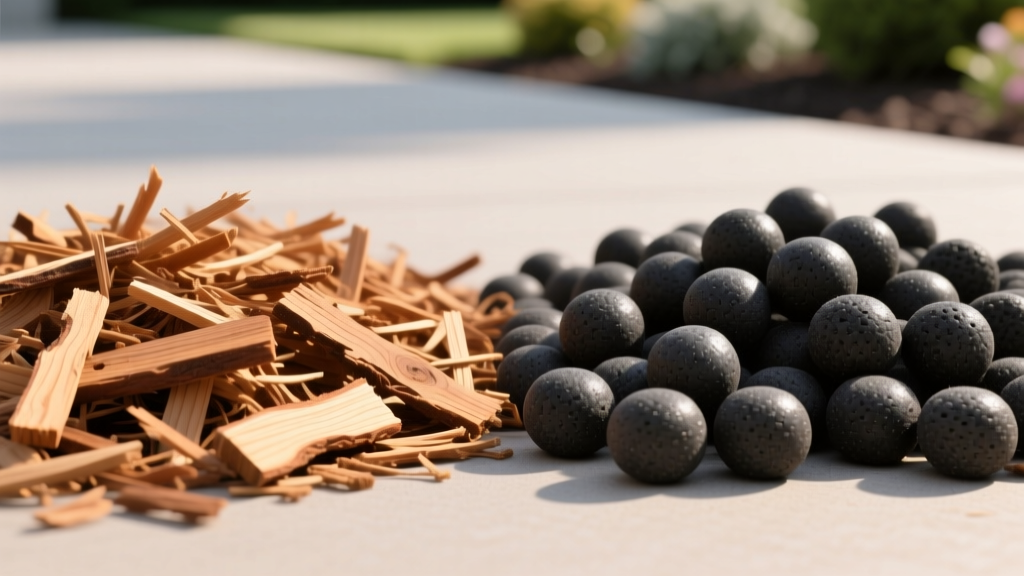
Rubber Mulch vs Wood Mulch: Best Choice for Landscape Beds
Homeowners and facility managers frequently debate whether to use wood or rubber mulch for their outdoor spaces. The correct choice depends entirely on your project's primary function. Wood mulch is the superior choice for garden beds and plant health because it decomposes, retaining soil moisture and adding vital organic nutrients. Conversely, rubber mulch is the optimal selection for playgrounds, pathways, and high-traffic zones due to its decade-long lifespan and exceptional shock absorption. This guide is designed for homeowners, landscape architects, and facility managers evaluating ground cover options for residential gardens, commercial landscapes, or recreational playgrounds.
Key Takeaways
- Best for Plants: Wood mulch improves soil biology as it decomposes.
- Best for Play Areas: Rubber mulch offers superior fall protection and lasts over 10 years.
- Cost: Wood costs $2 to $4 per cubic foot; rubber costs $8 to $12 per cubic foot.
Organic Mulch: Organic mulch consists of natural, biodegradable materials like wood chips, bark, or pine needles. As these materials break down over one to three years, they release carbon and essential nutrients directly into the underlying soil ecosystem, actively improving soil structure and promoting microbial activity.
Inorganic Mulch: Inorganic mulch comprises synthetic or non-biodegradable materials such as recycled tire rubber, gravel, or landscape glass. These materials do not decompose or add nutritional value to the soil, but they provide permanent weed suppression, extreme weather resistance, and long-term structural stability for high-traffic areas.
The Core Differences Between Wood and Rubber Mulch
Material Composition and Soil Impact
Wood mulch, typically sourced from shredded hardwood, pine bark, or cedar, acts as a dynamic soil amendment. According to Penn State Extension, a 2-inch to 3-inch layer of organic wood mulch regulates soil temperature and reduces water evaporation by up to 20%. As the wood breaks down, it feeds beneficial mycorrhizal fungi.
Rubber mulch is manufactured from 100% recycled vulcanized steel-belted tires. The United States Environmental Protection Agency (EPA) notes that utilizing recycled tire rubber diverts millions of tons of waste from landfills annually. However, rubber does not contribute organic matter to the soil profile.
Cost Analysis and Longevity
Upfront Costs Versus Lifetime Value
The initial investment for wood mulch ranges from $2 to $4 per cubic foot. Because organic materials decompose and fade under ultraviolet light, wood mulch requires complete replacement every 1 to 2 years to maintain a 3-inch depth.
Rubber mulch demands a higher upfront investment, typically costing $8 to $12 per cubic foot. Despite the steep initial price, rubber mulch retains its structural integrity and color for 10 to 12 years without requiring top-offs. Over a 12-year period, rubber mulch often proves more cost-effective for large commercial installations where labor costs for annual replacement are high.
Safety, Environmental Impact, and Maintenance
Playground Safety and Shock Absorption
For recreational spaces, impact attenuation is the critical metric. The Consumer Product Safety Commission (CPSC) guidelines state that a 5-inch depth of compacted rubber mulch provides a critical fall height rating of 12 feet. Wood mulch requires a 9-inch depth to achieve the same 12-foot fall protection rating, and it compacts rapidly, reducing its shock-absorbing capabilities over time.
Weed Control and Pest Resistance
Rubber mulch is highly effective at blocking sunlight, which prevents weed seed germination. It also deters common landscape pests. Wood mulch, particularly undyed hardwood varieties, can occasionally harbor artillery fungus or attract carpenter ants if kept constantly moist against wooden siding.
Decision Framework: Wood or Rubber Mulch?
Use this comparison matrix to select the correct material for your specific project zone.
| Use Case | Recommended Mulch | Depth Required | Maintenance Frequency |
|---|---|---|---|
| Vegetable Gardens | Organic Wood | 2 to 3 inches | Annual replacement |
| Playgrounds | Recycled Rubber | 5 to 6 inches | Every 10 to 12 years |
| Steep Slopes | Shredded Wood | 3 to 4 inches | Biennial top-offs |
| Pathways | Rubber or Stone | 2 to 3 inches | Every 10+ years |
Frequently Asked Questions
Is rubber mulch safe for plants and vegetable gardens?
No, rubber mulch is not recommended for vegetable gardens or delicate plant beds. As rubber degrades under high heat, it can leach zinc and other heavy metals into the soil, which may cause toxicity in sensitive root systems. Reserve rubber mulch for pathways and play areas.
Does wood mulch attract termites to my home?
Wood mulch does not actively attract subterranean termites from distant locations, but it provides an ideal moisture-rich environment if termites are already present. To mitigate risk, maintain a 6-inch gap between wood mulch and your home's foundation.
Which mulch is better for drainage and erosion control?
Shredded wood mulch interlocks to form a cohesive mat, making it highly resistant to washing away during heavy rainfall. Rubber mulch nuggets are lighter and lack interlocking fibers, making them prone to floating and displacing in areas with significant water runoff.
Final Recommendation and Next Steps
The choice between wood or rubber mulch ultimately hinges on whether your priority is soil biology or structural longevity. Choose wood mulch to nourish garden beds, regulate soil moisture, and support plant health. Choose rubber mulch to maximize playground safety, eliminate annual replacement labor, and suppress weeds in non-planting zones. Your next step is to measure your project area's square footage, calculate the required cubic yardage based on the recommended depth, and order a small sample batch to test the color and texture in your specific lighting conditions.