Landscaping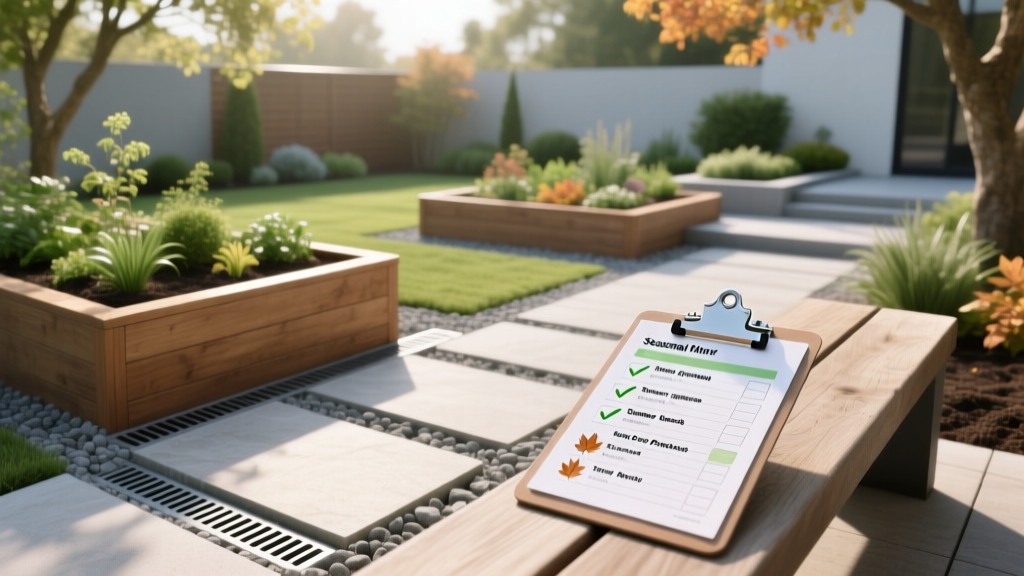
Seasonal Landscape Checklist: Hardscapes And Garden Beds
Robert HayesPublished
The Ultimate Seasonal Landscape Maintenance Checklist
While a lush, green lawn often steals the spotlight in residential exterior design, the true backbone of any stunning property lies in the meticulous care of its hardscapes, garden beds, and drainage systems. A comprehensive landscape maintenance schedule ensures that your outdoor living spaces remain functional, beautiful, and structurally sound year-round. Neglecting these elements can lead to costly repairs, such as heaving paver patios, waterlogged garden beds, and compromised foundation drainage. This guide provides a detailed, actionable checklist tailored for homeowners and landscaping professionals looking to master the rhythm of seasonal landscape care.
Early Spring: The Awakening Phase (March - April)
Hardscape Inspection and Joint Repair
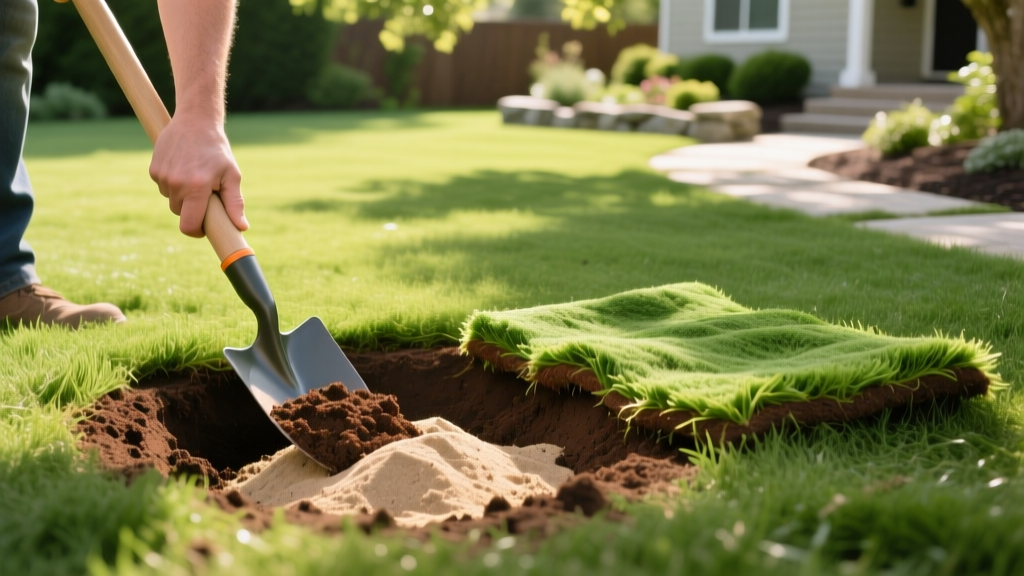
Winter's freeze-thaw cycles are the primary enemy of hardscaping. As the ground thaws, inspect all patios, walkways, and retaining walls for heaving or settling. According to the USDA Natural Resources Conservation Service, proper soil stability and grading are foundational to preventing landscape erosion and structural failure. Check the joints between your pavers. If the polymeric sand has washed out or cracked, use a pressure washer on a low setting to clean the joints, let them dry completely for 48 hours, and refill with a high-quality product like Techniseal Polymeric Sand. Sweep it in, compact it with a plate compactor, and mist it with a hose to activate the binding polymers. Cost estimate: $40 to $60 per 40-lb bag, covering roughly 80 square feet of joints.
Garden Bed Cleanup and Soil Preparation
Before new perennials emerge, clear out winter debris, dead annuals, and invasive early weeds. Cut back ornamental grasses to about 4 inches above the crown. This is also the optimal time to test your soil. Amend your garden beds with a 1-inch layer of organic compost to restore microbial activity. Apply a pre-emergent herbicide specifically formulated for landscape beds, such as Pendulum 3.3 EC, to prevent crabgrass and broadleaf weeds from germinating in your mulch beds. Be careful to keep pre-emergents away from areas where you plan to sow new seeds or plant bare-root perennials.
Late Spring and Summer: Growth and Preservation (May - August)
Mulching and Sustainable Weed Control
Proper mulching is critical for moisture retention and temperature regulation. The Arbor Day Foundation recommends maintaining a 2 to 3-inch layer of organic mulch around trees and shrubs, ensuring you create a 'donut' shape that keeps mulch at least 3 inches away from the base of tree trunks to prevent rot and rodent damage. Premium double-shredded hardwood mulch costs between $40 and $60 per cubic yard. For sustainable landscaping practices, consider using locally sourced arborist wood chips or leaf mold, which decompose slowly and feed the soil food web.
Curb Appeal and Outdoor Living Spaces
Summer is the peak season for entertaining, making it the perfect time to refresh your outdoor living spaces. Inspect pergolas, gazebos, and retaining wall seating for structural integrity. Re-stain wooden structures with a UV-resistant, water-repellent sealer like Thompson's WaterSeal. Enhance curb appeal by installing low-voltage LED path lighting along walkways and garden bed borders. Solar-powered or hardwired LED fixtures not only improve safety but also highlight the architectural features of your hardscaping after dusk. Ensure that plantings near the driveway or walkway are pruned back to maintain clear sightlines and prevent damage from passing vehicles.
Hardscape Sealing and Drainage Monitoring
Summer's dry, hot weather provides the perfect window for sealing hardscapes. Clean your concrete or paver surfaces with a specialized paver cleaner to remove efflorescence (white mineral deposits). Once dry, apply a breathable, water-based sealer like Surebond SB-1300. This protects against UV fading and oil stains while allowing moisture vapor to escape. Simultaneously, monitor your drainage solutions. After heavy summer thunderstorms, check your French drains, dry creek beds, and catch basins. Ensure that the grading around your home slopes away from the foundation at a minimum rate of 1/4 inch per foot to prevent basement flooding. If you notice standing water in your garden beds or near your foundation, consider installing a dry creek bed using river rock and landscape fabric. This sustainable landscaping practice not only solves drainage issues but also adds a beautiful, naturalistic hardscape element to your yard. According to the EPA's Green Infrastructure guidelines, integrating permeable surfaces and rain gardens helps manage stormwater runoff, reduces erosion, and replenishes local groundwater supplies.
Fall: Winterization and Protection (September - November)
Leaf Management and Bed Winterization
Leaves left to mat on garden beds and hardscapes can trap moisture, leading to fungal diseases and stained concrete. Use a backpack blower to clear leaves from paver joints and drainage grates. Shred excess leaves with a mulching mower and use them as a protective winter blanket over tender perennials and garlic beds. Cut back diseased foliage from plants like peonies and hostas, but leave seed heads on native plants like coneflowers to provide winter forage for local bird populations.
Water Feature and Irrigation Blowouts
Before the first hard freeze, drain and winterize all outdoor water features, fountains, and irrigation systems. Use an air compressor to blow out residual water from irrigation lines to prevent PVC pipe bursts. Cover delicate stone fountain basins with breathable, waterproof covers to prevent ice expansion cracks.
Winter: Planning and Light Maintenance (December - February)
Snow Management and Hardscape Protection
When clearing snow from hardscapes, avoid using metal shovels or harsh chemical de-icers like sodium chloride (rock salt), which can cause severe spalling and flaking on concrete and natural stone. Instead, use a polyurethane snow pusher and opt for calcium magnesium acetate (CMA) based ice melters, which are significantly safer for hardscapes, pets, and surrounding landscape beds. Minimizing salt runoff is vital, as it can severely contaminate local watersheds and damage soil structure in adjacent garden beds.
Comprehensive Annual Landscape Maintenance Schedule
| Season | Task Category | Specific Action | Estimated Cost / Time |
|---|---|---|---|
| Early Spring | Hardscapes | Inspect pavers, re-sand joints with polymeric sand | $50 / 4 hours |
| Early Spring | Garden Beds | Clear debris, apply compost, apply pre-emergent | $80 / 3 hours |
| Summer | Mulching | Top up hardwood mulch to 3-inch depth | $150 / 5 hours |
| Summer | Hardscapes | Power wash and apply breathable paver sealer | $200 / 6 hours |
| Fall | Drainage | Clear catch basins, check French drain outflows | $0 / 2 hours |
| Fall | Winterization | Blow out irrigation lines, cover water features | $100 / 3 hours |
| Winter | Snow Care | Use CMA ice melt, protect beds from snow piles | $40 / Ongoing |
Essential Tools and Products for Landscape Maintenance
- Plate Compactor: Essential for settling polymeric sand into paver joints and ensuring a level base for new hardscape projects. (Rental: $60-$90/day).
- Backpack Blower (e.g., Stihl BR 800 X Magnum): Crucial for efficient fall leaf removal and cleaning debris from tight hardscape corners and drainage grates.
- Calcium Magnesium Acetate (CMA) Ice Melt: A premium, hardscape-safe de-icer that prevents concrete spalling and protects soil health in adjacent beds.
- Soil Moisture Meter: Helps determine exact watering needs for deep-rooted shrubs and trees, promoting sustainable water usage during summer droughts.
Conclusion
Mastering your landscape maintenance schedule transforms your outdoor space from a source of weekend stress into a thriving, resilient ecosystem. By aligning your hardscape repairs, garden bed care, and drainage management with the natural rhythms of the seasons, you protect your investment and elevate your property's curb appeal. Stick to this checklist, utilize high-quality materials, and prioritize sustainable practices to ensure your landscape remains a stunning sanctuary for years to come.