Landscaping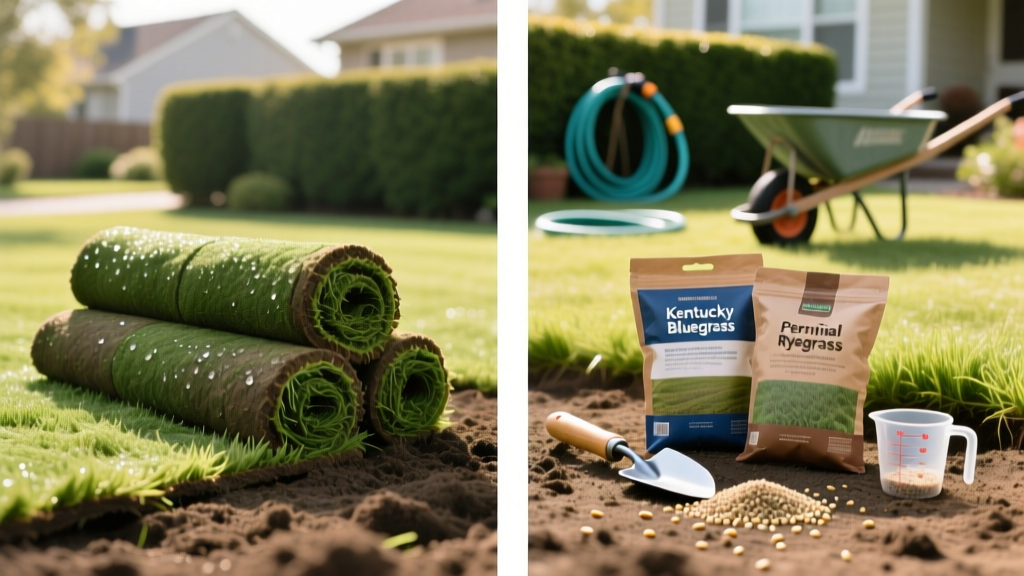
Sod vs Seed Cost Guide: Pricing Your New Lawn Installation
Sarah ChenPublished
Introduction to Lawn Establishment Costs
When planning a major landscaping overhaul or establishing a new construction property, one of the most significant decisions you will face is how to establish your turfgrass. The debate between laying sod versus planting grass seed is a classic landscaping dilemma. While both methods ultimately result in a lush, green lawn, the financial investment, timeline, and labor requirements differ drastically. As a homeowner or property manager, understanding the true cost of lawn installation is critical for maintaining your landscaping budget.
This comprehensive pricing guide breaks down the material costs, labor expenses, and hidden fees associated with sod installation, traditional seeding, and hydroseeding. By analyzing these costs through the lens of a standard 5,000-square-foot lawn, we can provide actionable data to help you make an informed decision for your outdoor living space.
The Complete Cost Breakdown of Sod Installation
Sod offers the undeniable advantage of an "instant lawn." Within hours of installation, your landscape is transformed from bare dirt to a fully mature, usable turf. However, this immediate gratification comes at a premium price. Sod is essentially mature grass that has been cultivated on a farm, harvested with a thin layer of soil, and transported to your site.
Material Costs for Sod
Sod is typically sold by the pallet or by the square foot. A standard pallet covers approximately 450 to 500 square feet and weighs between 2,500 and 3,000 pounds. Depending on the grass variety and your geographic region, a single pallet costs between $150 and $350. This translates to a material cost of $0.35 to $0.80 per square foot. Premium drought-tolerant varieties like Zoysia or specialized shade-tolerant blends will sit at the higher end of this spectrum, while common Bermuda or Kentucky Bluegrass may be more affordable.
Labor and Site Preparation
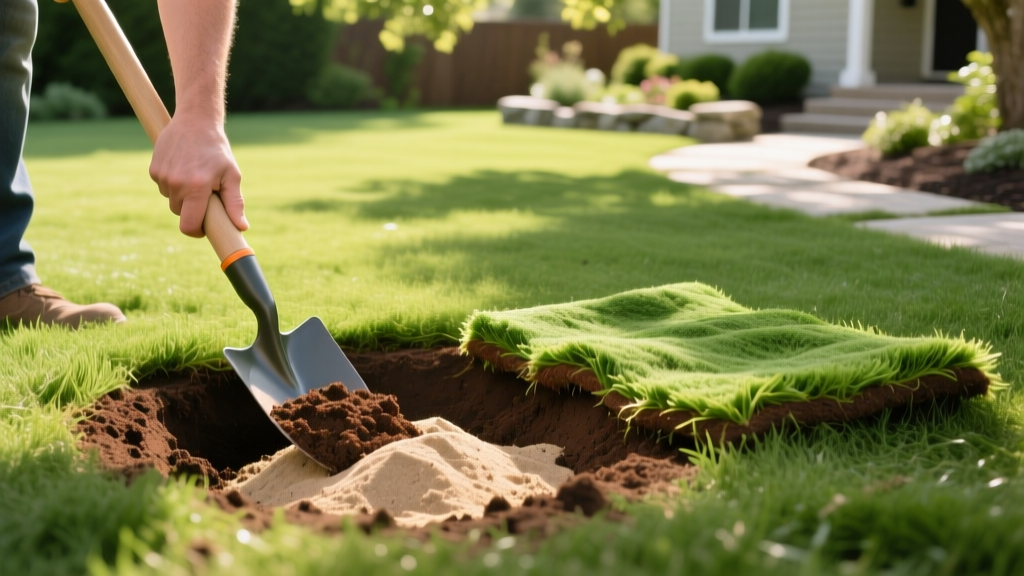
You cannot simply lay sod over existing weeds or compacted clay. Proper site preparation is mandatory and represents a significant portion of the labor cost. This involves rototilling the top 4 to 6 inches of soil, grading the yard for proper drainage, and incorporating organic compost. Professional landscaping crews typically charge $1.00 to $2.00 per square foot for comprehensive site prep and laying the sod. For a 5,000-square-foot lawn, professional sod installation generally ranges from $6,500 to $14,000, factoring in materials, delivery fees, and heavy labor.
The Complete Cost Breakdown of Lawn Seeding
Seeding is the traditional, budget-friendly approach to lawn establishment. It requires more patience and a stricter watering schedule, but the financial savings are substantial. According to turfgrass experts at Penn State Extension, successful seed establishment relies heavily on seed-to-soil contact and selecting the right cultivar for your microclimate.
Material Costs for Seed
Grass seed is sold by the pound, and coverage rates vary based on the species. For example, Tall Fescue requires about 5 to 8 pounds per 1,000 square feet, while Kentucky Bluegrass requires only 2 to 3 pounds. High-quality, weed-free seed blends cost between $5.00 and $10.00 per pound. To seed a 5,000-square-foot lawn, you will spend roughly $125 to $300 on seed alone. Additional materials include starter fertilizer (high in phosphorus for root development), which costs about $50 to $80, and straw mulch for erosion control, adding another $40 to $60.
Labor and Site Preparation
Site preparation for seed is identical to sod: the soil must be tilled, graded, and amended. However, the labor to actually plant the seed is much lower. Landscapers use drop spreaders or slit-seeders to distribute the seed evenly. Professional seeding labor costs between $0.20 and $0.50 per square foot. Therefore, a professionally seeded 5,000-square-foot lawn typically costs between $1,500 and $3,500, making it roughly 70% cheaper than sod.
The Middle Ground: Hydroseeding Costs
For homeowners who want faster results than traditional seed but cannot afford the premium price of sod, hydroseeding is an excellent landscaping compromise. Hydroseeding involves spraying a slurry mixture of grass seed, water, mulch, fertilizer, and a tackifier (a natural glue that binds the mixture to the soil). The material and labor cost for hydroseeding averages $0.10 to $0.25 per square foot. For a 5,000-square-foot yard, expect to pay between $500 and $1,250. The mulch in the slurry retains moisture exceptionally well, speeding up germination and protecting the seeds from birds and wind.
Head-to-Head Cost Comparison Table
To visualize the financial differences, review the cost breakdown below for a standard 5,000-square-foot landscaping project. These estimates include basic site preparation, materials, and professional labor.
| Cost Factor | Sod Installation | Traditional Seeding | Hydroseeding |
|---|---|---|---|
| Material Cost (per sq ft) | $0.35 - $0.80 | $0.05 - $0.15 | $0.10 - $0.25 |
| Labor & Prep (per sq ft) | $1.00 - $2.00 | $0.25 - $0.60 | $0.15 - $0.35 |
| Total Cost (5,000 sq ft) | $6,750 - $14,000 | $1,500 - $3,750 | $1,250 - $3,000 |
| Timeline to Usable Lawn | 2 to 3 weeks | 8 to 12 weeks | 6 to 8 weeks |
| Weed Competition Risk | Very Low | High | Moderate |
Hidden Landscaping Costs You Must Budget For
When calculating your lawn care and landscaping budget, it is easy to overlook the ancillary expenses that accompany turf installation. Failing to account for these can derail your project budget.
- Soil Testing and Amendments: Before planting anything, a professional soil test ($20 to $50) is crucial. If your soil pH is unbalanced, you may need to purchase bulk limestone or sulfur to amend the soil, costing $100 to $300 depending on yard size.
- Grading and Drainage Solutions: If your yard has severe slopes or pooling water, basic tilling will not suffice. You may need to hire a grading contractor to re-slope the yard away from your home's foundation, which can add $1,000 to $3,000 to the project.
- Irrigation System Upgrades: Both seed and sod require massive amounts of water during the establishment phase. If your current sprinkler system has dry spots or broken heads, repairing or installing a new smart irrigation system can cost between $2,500 and $5,000.
- Debris Removal and Dump Fees: Tilling an existing yard or removing dead sod generates cubic yards of organic waste. Hauling and dump fees typically range from $200 to $600.
Long-Term Maintenance and Water Costs
The initial installation cost is only the first half of the financial equation. The long-term maintenance and resource consumption of your lawn will impact your wallet for years to come. Watering is the most significant ongoing expense. The Environmental Protection Agency (EPA) notes that outdoor water use accounts for nearly 30% of total household water consumption, with landscaping being the primary driver.
Newly laid sod requires daily, shallow watering for the first two weeks to keep the root zone moist, which can temporarily spike your municipal water bill. Conversely, seed requires light watering two to three times a day to prevent the delicate sprouts from drying out. Once established, transitioning to deep, infrequent watering is vital. Choosing drought-tolerant grass species, such as Buffalograss or specific Tall Fescue cultivars, can reduce long-term irrigation costs by up to 50% compared to traditional Kentucky Bluegrass lawns.
Furthermore, weed control is a major factor in the first year. Because sod is harvested from a controlled farm environment, it arrives virtually weed-free. Seeded lawns, however, expose bare soil to dormant weed seeds in the earth. You may need to budget an additional $200 to $400 in the first year for selective post-emergent herbicides and professional weed-pulling services to ensure your new grass is not choked out by crabgrass or broadleaf weeds.
Making the Final Decision for Your Landscape
Choosing between sod and seed ultimately depends on your budget, timeline, and how you intend to use your outdoor living space. The University of Minnesota Extension recommends seeding for homeowners who are patient, budget-conscious, and willing to invest time in meticulous daily maintenance during the germination phase. Seed also offers a wider variety of specialized grass blends that can be custom-tailored to your yard's specific sun and shade patterns.
On the other hand, sod is the undisputed champion for immediate curb appeal, erosion control on steep hillsides, and homeowners who need a durable surface for pets and children within weeks rather than months. If you are preparing a home for sale or completing a high-end hardscaping project where bare dirt would ruin the aesthetic, the premium price of sod is a justifiable landscaping investment.
By carefully weighing the upfront material and labor costs against the long-term water and maintenance requirements, you can select the turf establishment method that aligns perfectly with your landscaping vision and financial boundaries. Whether you choose the instant gratification of sod, the economical route of seed, or the efficient middle-ground of hydroseeding, proper soil preparation remains the true foundation of a thriving, cost-effective lawn.