Landscaping
Spring Landscaping Checklist: Lawns and Garden Beds
Anna KowalskiPublished
The Ultimate Spring Landscaping and Lawn Care Checklist
As the frost thaws and soil temperatures begin to rise, homeowners and landscape professionals alike must shift their focus from winter dormancy to active spring maintenance. A successful landscape is not just about a pristine turf; it requires a synchronized schedule that integrates lawn care, garden bed preparation, hardscape inspection, and drainage management. Treating your lawn and your landscape beds as separate entities often leads to disjointed curb appeal and inefficient use of time and resources. By following a comprehensive, week-by-week spring landscaping checklist, you can ensure that every square foot of your outdoor space transitions seamlessly into the growing season.
According to the University of Minnesota Extension, timing is the most critical factor in spring lawn and landscape care. Applying pre-emergent herbicides too early or mulching garden beds before the soil has adequately warmed can trap moisture, encourage fungal diseases, and stunt root development. This guide provides a structured, actionable schedule to align your turf management with your broader landscaping goals.
Phase 1: Early Spring (Soil Thaw and Hardscape Inspection)
The first phase of your spring checklist begins the moment the ground thaws and the risk of heavy frost has passed. This is the time for assessment, cleanup, and hardscape evaluation.
Lawn and Bed Cleanup
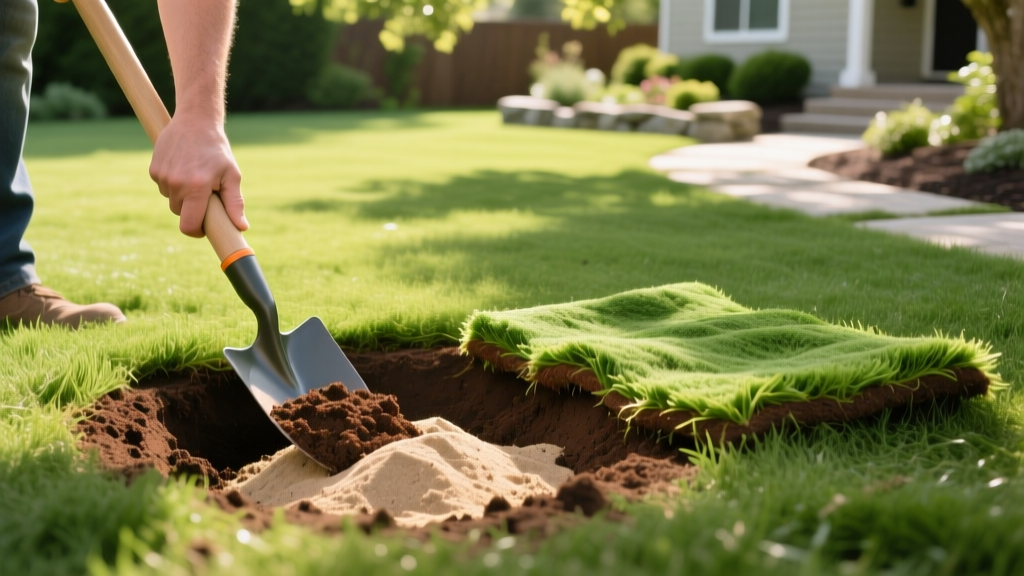
- Debris Removal: Rake away winter debris, dead leaves, and broken branches from both the lawn and garden beds. This prevents snow mold on turf and allows the sun to warm the soil in your planting beds.
- Pruning: Prune summer-flowering shrubs and remove any winter-damaged branches from trees. Avoid pruning spring-flowering shrubs like lilacs or azaleas until after they bloom.
- Soil Testing: Take soil samples from both your lawn and your garden beds. Lawns typically thrive at a pH of 6.0 to 7.0, while ornamental beds may require different amendments based on the plant species.
Hardscape and Drainage Evaluation
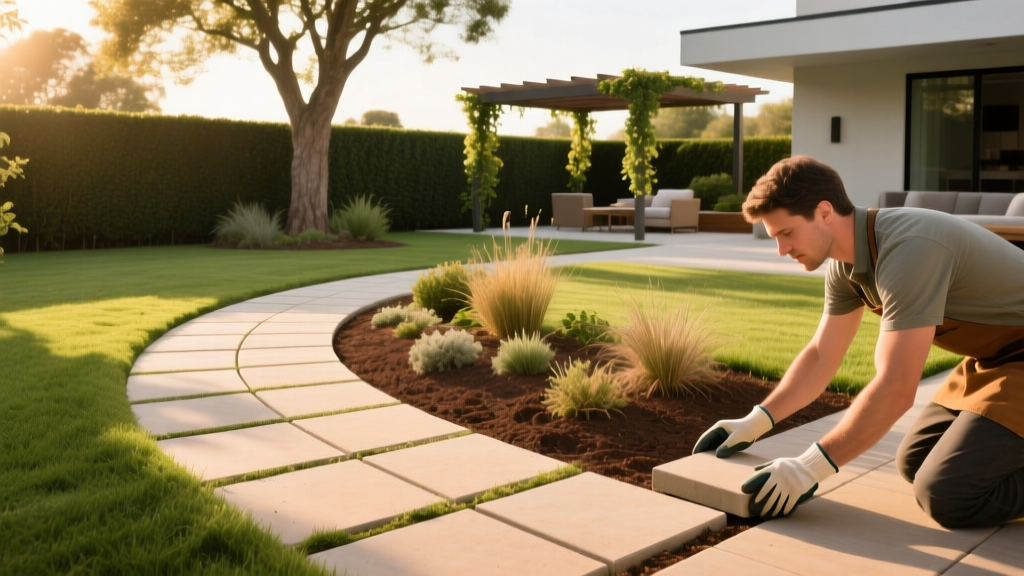
Winter freeze-thaw cycles can wreak havoc on hardscaping. Inspect retaining walls for bulging or cracked mortar. Check paver patios for settling, which can create tripping hazards and disrupt surface drainage. Ensure that French drains, dry creek beds, and downspout extensions are clear of autumn debris so that spring rains are effectively routed away from your home’s foundation and delicate landscape beds.
Phase 2: Mid-Spring (Pre-Emergent and Bed Edging)
As soil temperatures consistently reach 50°F to 55°F, your landscape enters its most active spring phase. This is the window for weed prevention and defining the physical boundaries between your turf and your hardscape or garden beds.
Turf Pre-Emergent Application
Apply a pre-emergent herbicide containing prodiamine or dithiopyr to your lawn to create a chemical barrier that stops crabgrass and broadleaf weed seeds from germinating. Be cautious near garden beds where you intend to sow new ornamental seeds, as pre-emergents do not discriminate between weed seeds and desirable plant seeds.
Edging and Trenching
Crisp, clean edges are the hallmark of professional landscaping. Use a manual half-moon edger or a mechanical bed edger to cut a 4-inch deep, 45-degree angled trench between your lawn and your garden beds or walkways. This not only enhances curb appeal but also acts as a physical barrier to prevent aggressive turfgrasses, like Kentucky Bluegrass or Bermuda, from creeping into your mulched areas.
Phase 3: Late Spring (Fertilization and Mulching)
By late spring, your grass is actively growing, and your garden beds are ready for their final aesthetic touches before the heat of summer arrives.
Lawn Fertilization
Apply a slow-release, nitrogen-rich fertilizer to your lawn. A 4-1-2 ratio (such as 20-5-10) is generally recommended for spring feeding. This encourages deep root growth rather than excessive top growth, which would only require more frequent mowing.
Garden Bed Mulching
Mulch is essential for moisture retention, weed suppression, and soil temperature regulation. The Penn State Extension recommends applying a 2 to 3-inch layer of organic mulch, such as shredded hardwood bark or pine needles, over your garden beds. Keep the mulch at least 3 inches away from the base of tree trunks and shrub stems to prevent rot and rodent damage. Avoid the common mistake of creating "mulch volcanoes," which suffocate root systems and invite disease.
Spring Landscaping Task Schedule and Cost Estimates
To help you budget and plan your weekends, review the following structured checklist. Costs are estimated for a standard 5,000-square-foot lawn and 500-square-foot garden bed area, assuming DIY labor.
| Phase | Task | Timing Indicator | Estimated Material Cost |
|---|---|---|---|
| Early Spring | Debris Cleanup & Pruning | Ground thawed, daytime temps above 40°F | $20 - $50 (Bags, twine) |
| Early Spring | Soil Testing (Lawn & Beds) | Before any amendments are applied | $30 - $60 (Lab fees) |
| Mid-Spring | Pre-Emergent Herbicide | Soil temp reaches 50°F - 55°F | $40 - $80 |
| Mid-Spring | Bed Edging & Trenching | Soil is moist but not waterlogged | $0 - $40 (Tool rental) |
| Late Spring | Slow-Release Fertilizer | Grass has been mowed 2-3 times | $50 - $90 |
| Late Spring | Organic Mulch Application | After soil warms, weeds are pulled | $100 - $200 (Bulk mulch) |
Integrating Irrigation and Sustainable Practices
A vital component of any late-spring landscaping checklist is the activation and auditing of your irrigation system. Before turning on your sprinklers, inspect all zones for blown heads, leaks, and misaligned rotors that spray water onto hardscapes or home siding.
"Outdoor water use accounts for nearly 30% of total household water use, and in arid climates, it can be as high as 60%. Upgrading to smart irrigation controllers and ensuring efficient landscape design can drastically reduce water waste."
— United States Environmental Protection Agency (EPA) WaterSense Program
To align with the EPA's WaterSense guidelines, consider installing a soil moisture sensor or a Wi-Fi-enabled smart controller that adjusts watering schedules based on local weather data. Furthermore, ensure your garden beds are graded to capture runoff, utilizing rain gardens or permeable pavers in your hardscape designs to promote groundwater recharge rather than contributing to municipal stormwater overload.
Final Thoughts on Synchronized Maintenance
Landscaping is a holistic endeavor. The health of your lawn is intrinsically tied to the drainage of your hardscapes, the edging of your garden beds, and the timing of your soil amendments. By adhering to this integrated spring checklist, you prevent the common pitfalls of reactive maintenance. Instead of scrambling to pull weeds in July or dealing with flooded patios in April, you set the stage for a resilient, vibrant, and beautifully structured landscape that will thrive throughout the entire growing season. Mark your calendar, gather your materials, and tackle each phase systematically for professional-grade results right in your own backyard.