Landscaping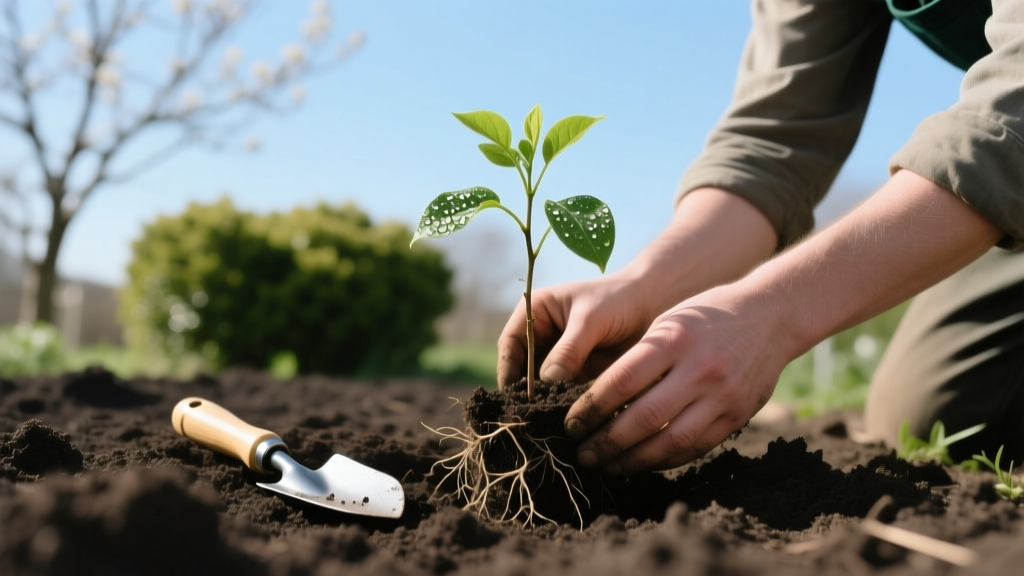
When to Plant Trees and Shrubs: A Seasonal Timing Guide
Robert HayesPublished
The Critical Importance of Planting Timing
Installing trees and shrubs is one of the most significant long-term investments you can make in your landscape. Unlike seasonal annuals or fast-growing perennials, woody plants are permanent fixtures that dictate the structure, shade, and curb appeal of your property for decades. However, the success of this investment relies heavily on one crucial variable: timing. Planting at the wrong time of year can lead to transplant shock, stunted root development, and ultimately, the death of the plant. As a general rule, the goal of timing your planting is to maximize root establishment before the plant faces the stress of extreme heat, freezing temperatures, or drought.
Understanding the biological rhythms of trees and shrubs is the first step toward a thriving landscape. According to the Arbor Day Foundation, planting during a tree's dormant season allows it to focus its energy entirely on developing a robust root system rather than supporting leaf canopy growth or flower production. This comprehensive timing guide will break down exactly when to plant based on seasons, regional climates, and the specific type of nursery stock you are installing.
The Golden Rule: Dormancy and Soil Temperature
The golden rule of landscaping with woody plants is to plant during dormancy. Dormancy typically occurs in late fall after the leaves have dropped, and in early spring before the buds begin to break. During these windows, the air temperature is cool, which drastically reduces the rate of transpiration (water loss through leaves). Meanwhile, the soil remains warm enough to encourage active root growth.
Soil temperature is a more accurate metric than air temperature when deciding if it is time to plant. For most temperate trees and shrubs, optimal root growth occurs when soil temperatures are between 50°F and 65°F. You can easily measure this using a standard soil probe thermometer inserted about four inches into the ground. If the soil is frozen, water cannot penetrate, and roots cannot expand. If the soil is excessively hot (above 75°F), the plant will struggle to uptake enough moisture to support both root generation and top growth.
Seasonal Planting Guide: When to Plant What
Different seasons offer distinct advantages and challenges for landscaping. Below is a structured comparison to help you plan your installation schedule.
| Planting Season | Ideal Plant Types | Soil Temp Requirement | Primary Advantage | Primary Risk |
|---|---|---|---|---|
| Early Spring | Bare-root, Container, Evergreens | Above 45°F | Full season to establish before winter | Late frosts, sudden summer heat |
| Late Fall | B&B, Container, Deciduous Trees | Between 50°F - 65°F | Cool air reduces transpiration stress | Heaving from freeze-thaw cycles |
| Summer | Container-grown only (with care) | Above 65°F | Nursery stock is fully leafed out | Severe heat stress, high water needs |
| Winter | Bare-root (in mild climates only) | Above 40°F | Lowest nursery prices, easy digging | Frozen ground, root desiccation |
Fall Planting: The Landscaper's Secret Weapon
For most regions in the United States, fall is the absolute best time to plant trees and shrubs. The ideal window is roughly six weeks before the first expected hard freeze in your area. In many northern zones, this means planting from late August through October. In southern zones, the window extends from November through January.
During autumn, the soil is still warm from the summer months, which acts as an incubator for new root hairs. Because the days are shorter and the air is crisp, the plant's metabolic rate slows down, meaning it requires less water to sustain its canopy. The University of Minnesota Extension notes that fall-planted trees often outperform spring-planted trees the following summer because they have already developed a foundational root network capable of accessing deeper soil moisture.
Actionable Tip: When fall planting, apply a 2 to 4-inch layer of shredded hardwood mulch over the root zone to insulate the soil and retain moisture. However, keep the mulch at least 3 inches away from the trunk to prevent 'volcano mulching,' which can lead to trunk rot and rodent damage.
Spring Planting: Beating the Heat
Spring is the second-best time to plant, and it is the only viable option for certain plant types, such as bare-root stock and some slow-rooting evergreens. The key to spring planting is getting the plants into the ground as soon as the soil is workable and the threat of severe hard freezes has passed, usually between March and May depending on your USDA Hardiness Zone.
The primary challenge with spring planting is the rapidly approaching summer heat. A tree planted in May only has a few weeks to establish roots before the intense heat of July and August demands maximum water uptake. To mitigate this, you must commit to a rigorous watering schedule. Expect to spend 15% to 20% more on nursery stock in the spring, as garden centers price their inventory at a premium during peak consumer demand.
Summer and Winter: Extreme Weather Exceptions
Planting in the summer is generally discouraged due to the immense stress placed on the plant. If you must plant in summer, stick exclusively to container-grown shrubs and trees, as their root balls are intact and suffer less transplant shock. You will need to water deeply every single day for the first two weeks, and provide temporary shade cloth for sensitive species.
Winter planting is only feasible in USDA Zones 8 through 11, where the ground rarely freezes. In these southern climates, winter is actually the preferred planting season, as it allows the plant to establish during the mild, rainy months before the brutal summer sun arrives.
Timing by Root Type: Bare-Root, B&B, and Container
The type of nursery stock you purchase dictates your planting timeline just as much as the season does.
- Bare-Root Trees and Shrubs ($10 - $40): These are dug up from nursery fields while dormant and sold without soil around their roots. They are incredibly lightweight and cost-effective. Timing: Must be planted in early spring, the exact moment the ground thaws but before the buds swell. If you buy them in fall, you must 'heel them in' (bury the roots in a trench of sand or sawdust) until spring.
- Balled and Burlapped (B&B) ($150 - $800+): These are larger, field-grown trees dug up with a heavy ball of native soil wrapped in burlap. Timing: Best planted in the fall or early spring. Because a significant portion of their fine root hairs are severed during the digging process, they need the cool, low-stress environment of autumn to recover.
- Container-Grown ($30 - $250): Grown in plastic pots from a young age, these plants have a complete, undisturbed root system. Timing: Highly versatile. They can be planted almost any time of year, provided the ground is not frozen, though fall and spring remain optimal to reduce watering burdens.
Regional Timing Variations Based on USDA Hardiness Zones
Because the United States spans multiple climate zones, a one-size-fits-all calendar does not exist. Here is a regional breakdown for optimal planting times:
- Zones 3 to 5 (Northern US, Midwest, New England): Early to mid-spring is safest to ensure the plant has the entire summer and fall to establish before brutal sub-zero winter temperatures arrive. Fall planting is risky unless done very early (late August) and heavily mulched to prevent frost heaving.
- Zones 6 to 8 (Mid-Atlantic, Pacific Northwest, Transition Zones): Early fall (September to November) is the undisputed champion. The soil remains warm well into November, giving roots ample time to anchor before spring.
- Zones 9 to 11 (Deep South, Coastal California, Florida): Late fall through winter (November to February). Planting in the summer in these zones is a recipe for disaster due to extreme heat and humidity.
Actionable Soil Preparation and Planting Steps
Timing your planting perfectly means nothing if the installation technique is flawed. The Clemson Cooperative Extension emphasizes that improper planting depth is the number one cause of tree mortality in residential landscapes.
Follow these precise measurements and steps when the planting window arrives:
- Locate the Root Flare: Before digging, brush away the topsoil of the nursery plant to find the root flare (the exact point where the trunk widens and transitions into roots). This flare must sit slightly above the final grade level.
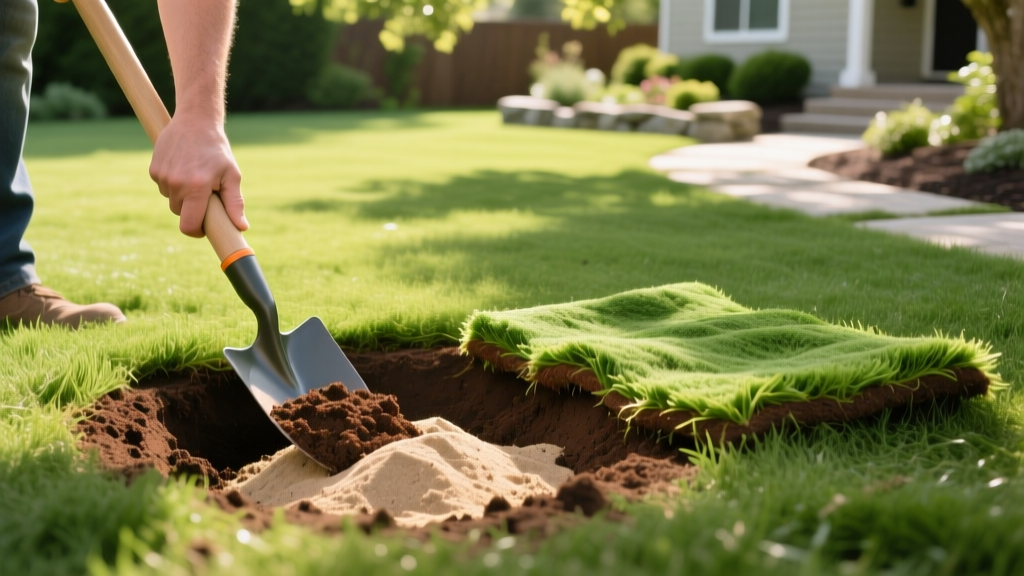
- Dig the Hole: The hole should be two to three times the width of the root ball to allow lateral root expansion, but it should be exactly the same depth as the root ball. Never dig the hole deeper than the root ball, as the plant will settle over time and suffocate.
- Amend Sparingly: Backfill the hole using the native soil you just dug out. If your soil is exceptionally poor (heavy clay or pure sand), mix in no more than 20% organic compost by volume. Over-amending the hole creates a 'bathtub effect' where water pools in the loose soil and drowns the roots.
- Apply Mycorrhizal Inoculant: Dust the root ball with a granular mycorrhizal fungi product (costing roughly $15 to $25 per bag). These beneficial fungi form a symbiotic relationship with the roots, effectively increasing their surface area for water and nutrient absorption by up to 100 times.
- Eliminate Air Pockets: As you backfill, gently tamp the soil with your hands and water it thoroughly to collapse hidden air pockets that could dry out and kill fine root hairs.
Post-Planting Watering and Maintenance Schedule
Once the plant is in the ground, your timing shifts from 'when to plant' to 'when to water'. Newly installed trees and shrubs lack the extensive root network required to scavenge for moisture, making them entirely dependent on you for the first two growing seasons.
The Watering Formula: A general rule of thumb is to provide 10 gallons of water per week for every inch of trunk caliper (measured at knee height). For a 2-inch caliper tree, that is 20 gallons a week. During the first two weeks, apply this water in slow, deep soakings every other day. Afterward, transition to a deep, slow soaking once or twice a week, depending on rainfall.
Use a slow-release soaker hose or a tree watering bag (which costs about $25 to $35) to ensure the water penetrates deeply into the soil profile rather than running off the surface. Deep watering encourages roots to grow downward in search of moisture, which anchors the tree firmly and makes it highly drought-resistant in the future. Finally, avoid applying high-nitrogen synthetic fertilizers during the first year. Nitrogen pushes leafy top growth at the expense of root development; allow the plant to focus entirely on establishing its underground foundation during its critical first year in the landscape.