Landscaping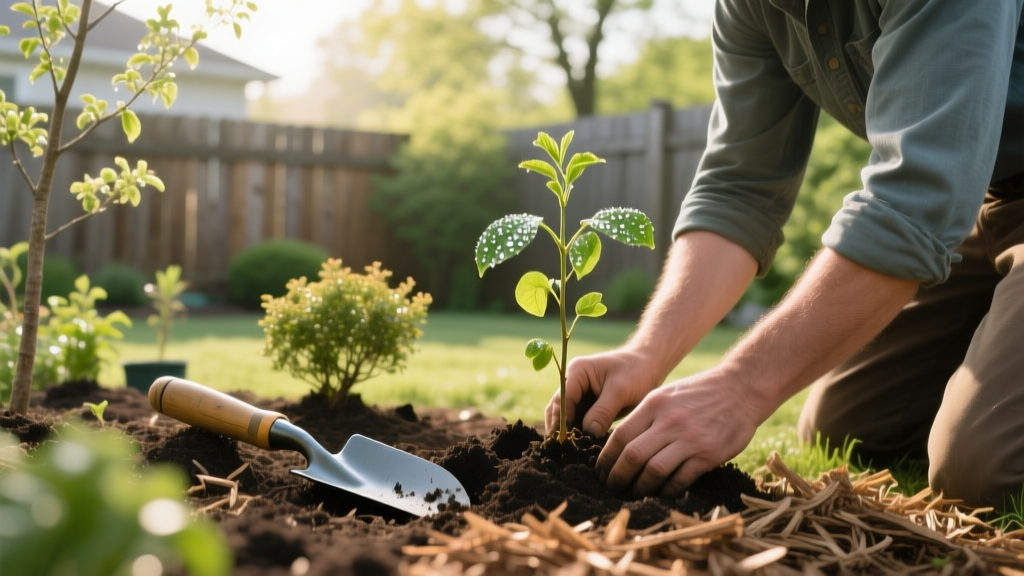
When to Plant Trees and Shrubs: A Seasonal Timing Guide
James MillerPublished
The Science of Root Establishment and Timing
When it comes to landscaping, the question of 'what' to plant often overshadows the critical question of 'when' to plant. However, horticulturists and arborists universally agree that timing is one of the most significant factors in the long-term survival and vitality of your trees and shrubs. Planting at the wrong time of year can subject your new landscape investments to severe transplant shock, drought stress, or winter kill.
The primary goal of any planting schedule is to encourage root establishment before the plant is forced to expend energy on top growth, leaf production, or surviving extreme weather. According to the Morton Arboretum, roots grow best in cool, moist soil. When soil temperatures are between 50°F and 65°F, root growth accelerates, allowing the plant to anchor itself and build a robust vascular system before the stresses of summer heat or winter freezes set in.
Fall vs. Spring Planting: Which is Better?
While you can technically plant container-grown shrubs and trees almost any time the ground is not frozen, autumn and spring are the two premier seasons for landscaping projects. The ideal choice depends heavily on your regional climate and the specific type of plant you are installing.
The Case for Fall Planting
For many temperate regions, fall is the undisputed champion of planting seasons. As autumn arrives, air temperatures drop, which significantly reduces the rate of transpiration (water loss through leaves). Meanwhile, the soil is still warm from the summer sun, creating the perfect environment for rapid root growth. Because the plant is not wasting energy on producing new foliage or flowers, it directs all its stored carbohydrates into expanding its root system. Furthermore, fall planting typically requires less supplemental watering due to increased seasonal rainfall and cooler ambient temperatures.
The Case for Spring Planting
Spring planting is highly favored in northern climates where winters are brutal and early autumn freezes are a threat. Planting in early spring, just as the ground thaws but before the buds break, gives trees an entire growing season to establish themselves before facing the harsh conditions of winter. The drawback to spring planting is the impending summer heat; newly planted trees will require diligent, frequent watering to survive their first July and August.
Timing by Plant Type and Format
The format in which your tree or shrub is sold heavily dictates its ideal planting window. Bare-root plants have a much narrower planting window than container-grown specimens. The Arbor Day Foundation emphasizes that understanding the nursery format is essential for timing your landscape installation correctly.
| Plant Format | Best Planting Season | Soil Temp Requirement | Key Timing Considerations |
|---|---|---|---|
| Bare-Root | Early Spring / Late Fall | Above 40°F, not frozen | Must be planted while completely dormant. Keep roots moist and plant within 24 hours of delivery. |
| Balled & Burlapped (B&B) | Early Fall / Early Spring | 50°F - 65°F ideal | Heavy root balls can settle if soil is too wet. Avoid planting in the peak of summer or deep winter. |
| Container-Grown | Spring, Fall, or Summer | Above 45°F | Most flexible. If planting in summer, strict morning watering schedules and temporary shading are required. |
| Evergreens | Early Spring / Early Fall | Above 50°F | Need extra time to establish roots before winter winds cause desiccation. Avoid late fall planting. |
Regional Timing Guide by USDA Hardiness Zones
To refine your landscaping schedule, you must adapt your timing to your specific USDA Hardiness Zone. What works in the humid South will lead to plant failure in the frost-prone North.
Zones 3-5 (Northern and Cold Climates)
In regions with short growing seasons and severe winters, early spring is the safest time to plant. The soil thaws and becomes workable in April or early May. Planting in the fall in these zones is risky for many species, particularly evergreens and marginally hardy shrubs, as they may not establish enough roots to prevent 'winter burn' from freezing, drying winds. If you must plant in the fall, do so at least six weeks before the ground typically freezes hard.
Zones 6-8 (Transitional and Moderate Climates)
This is the sweet spot for fall planting. From late September through November, the soil remains warm enough for root growth while the air cools down. Deciduous trees like maples, oaks, and ornamental shrubs thrive when planted in autumn here. Spring planting is also highly successful, provided you are prepared to irrigate heavily once the summer heat arrives in June.
Zones 9-11 (Southern and Warm Climates)
In areas with mild winters and scorching summers, the timing shifts dramatically. Late fall through mid-winter (November to February) is the ideal planting window. Planting during the winter allows trees to establish deep root systems during the cooler, wetter months, preparing them to withstand the intense drought and heat stress of the following summer. Spring planting in these zones is generally discouraged, as the rapid onset of high temperatures will severely stress new transplants.
Soil Preparation Timing: Before You Dig
Timing doesn't begin on the day you dig the hole. Proper landscape preparation should occur two to four weeks before planting. According to the University of Minnesota Extension, testing and amending your soil in advance allows organic matter and pH adjusters to integrate properly into the soil profile. If you need to apply lime to raise soil pH or elemental sulfur to lower it, doing this a month prior ensures the chemical reactions have time to take effect before the delicate new roots are introduced to the environment.
Micro-Timing: Choosing the Right Day and Hour
Even within the correct season, the specific day and time you choose to plant can impact transplant shock. Follow these micro-timing rules for the best results:
- Time of Day: Always plant in the early morning or late afternoon. Avoid the midday sun, which can rapidly dry out exposed roots and heat up the soil in the planting hole.
- Weather Conditions: Overcast, cool days are ideal. Avoid planting on windy days, as wind can desiccate foliage and dry out the root ball in minutes while it sits above ground.
- Soil Moisture: Do not plant in waterlogged, muddy soil immediately after a heavy rain. Working wet soil destroys its structure, leading to severe compaction that will suffocate new roots.
The Post-Planting Watering Timeline
Once the tree is in the ground, your timing shifts to irrigation. A newly planted tree's root ball must remain consistently moist, but not soggy, for the entirety of its first growing season. Use this timeline to guide your watering schedule:
- Day 1 (Immediate): Water deeply immediately after backfilling the hole to eliminate air pockets and settle the soil around the roots.
- Weeks 1-2: Water every 1 to 2 days. The root ball is still the primary source of moisture uptake, and it will dry out faster than the surrounding native soil.
- Weeks 3-12: Water every 2 to 3 days. As roots begin to push into the native soil, you can slightly reduce the frequency but increase the volume of water to encourage deep growth.
- Months 4-12: Water weekly. By this time, the tree should be establishing drought tolerance, but still requires deep, infrequent soakings to survive dry spells.
Common Timing Mistakes to Avoid
Even experienced landscapers occasionally fall victim to timing errors. Avoid these common pitfalls to ensure your landscape thrives:
Planting Evergreens Too Late in Fall: Evergreens do not go fully dormant and continue to lose moisture through their needles all winter. If planted late in the fall, their roots cannot absorb water from frozen soil, leading to fatal winter desiccation.
Ignoring the Dormancy Window for Bare-Root: Ordering bare-root fruit trees and leaving them in a warm garage until they break bud before planting is a recipe for failure. They must be planted while strictly dormant.
Summer Planting Without a Plan: While container plants can be planted in July, doing so without an automated drip irrigation system or a strict manual watering schedule will almost certainly result in plant death due to heat stress.
Conclusion
Mastering the 'when-to' timing of planting trees and shrubs is a blend of understanding plant physiology, respecting regional climates, and observing daily weather patterns. By aligning your landscaping projects with the natural cycles of root growth and dormancy, you dramatically reduce maintenance, lower water usage, and ensure your landscape investments grow into robust, enduring features of your property for decades to come.