Landscaping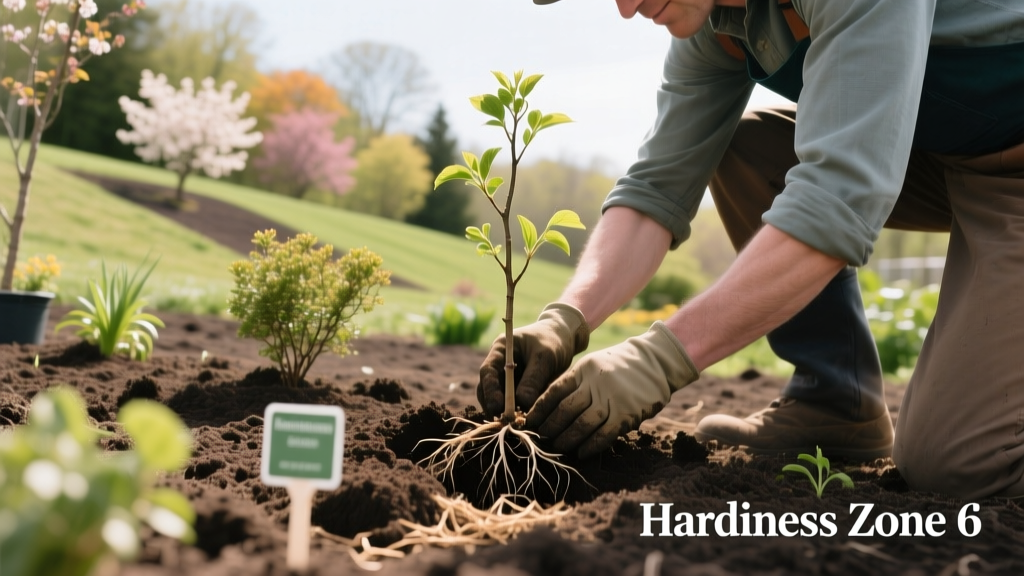
When to Plant Trees and Shrubs: Seasonal Landscaping Guide
Anna KowalskiPublished
The Critical Role of Timing in Landscape Design
Designing a beautiful outdoor living space or garden bed requires more than just selecting the right plant species and arranging them for optimal curb appeal. One of the most frequently overlooked elements in sustainable landscaping is the timing of installation. Planting trees and shrubs at the wrong time of year can lead to transplant shock, stunted growth, or complete plant failure, effectively wasting the significant financial investment you have made in your hardscaping and softscaping materials. A mature balled-and-burlapped (B&B) shade tree can easily cost between $250 and $800, while high-end specimen shrubs can run $80 to $150 each. Protecting this investment requires a strategic approach to seasonal timing.
The fundamental goal of planting any woody ornamental is to encourage rapid root establishment before the plant faces environmental stressors like extreme heat, drought, or freezing temperatures. According to horticultural experts at the University of Minnesota Extension, understanding the relationship between soil temperature, air temperature, and plant dormancy is the key to successful landscape installation. When you align your planting schedule with the natural physiological cycles of the plants, you drastically reduce the need for supplemental irrigation and chemical interventions.
The Science of Seasonal Timing: Dormancy and Transpiration
To understand when to plant, you must first understand how trees and shrubs allocate energy. During the active growing season (spring and summer), plants focus their energy on top growth—producing leaves, flowers, and new shoots. This process, driven by photosynthesis, requires massive amounts of water. Water is lost through the leaves in a process called transpiration. If a plant is dug up, moved, and replanted during this active phase, it loses a significant portion of its root system. With a reduced root mass but a full canopy of leaves demanding water, the plant quickly experiences severe moisture stress.
Conversely, during dormancy (late fall and early spring), top growth halts. The plant's energy shifts downward, focusing entirely on root development and storing carbohydrates for the next season. Planting during dormancy allows the root system to establish itself in the surrounding native soil without the burden of supporting a thirsty canopy. This is why professional landscape architects and arborists overwhelmingly prefer dormant-season planting for long-term landscape sustainability.
Fall Planting: The Landscaper's Secret Weapon
For the majority of landscaping projects across North America, early to mid-fall is the absolute best time to plant trees and shrubs. The magic of fall planting lies in the inverse relationship between soil temperature and air temperature. In September and October, the air is cooling down, which slows transpiration and halts top growth. However, the soil is still warm from the summer sun. Warm soil (ideally between 55°F and 75°F) stimulates vigorous root growth.
Timing the Fall Window: The general rule of thumb is to complete all fall planting at least six to eight weeks before your region's first hard, ground-freezing frost. This gives the fine, water-absorbing root hairs enough time to grow out of the nursery potting mix or clay root ball and into your native landscape soil.
- Deciduous Trees and Shrubs: Plant after the leaves have changed color and begun to drop, signaling the onset of dormancy.
- Evergreens: Plant slightly earlier in the fall (late August to early September). Evergreens do not drop their needles and continue to lose moisture through the winter. They need a longer establishment window to prevent winter desiccation (winter burn).
Another distinct advantage of fall planting is water conservation. Autumn typically brings more consistent rainfall, and the cooler air reduces evaporation rates, meaning you will spend less time dragging hoses and running irrigation systems across your newly installed garden beds.
Spring Planting: Navigating the Narrow Window
While fall is ideal, spring planting is sometimes necessary or unavoidable. If you are working with bare-root stock (plants dug up and sold without soil around their roots), spring is the mandatory planting season, as these must be installed before they break dormancy. Additionally, some slow-rooting species, like certain oaks and ginkgos, prefer the warming soils of spring.
The Danger of Late Spring: The window for spring planting is notoriously narrow. You must wait until the ground has completely thawed and is workable (not muddy or waterlogged), but you must plant before the buds begin to swell and open. Once the leaves emerge, the plant's water demands skyrocket. If you plant a tree in late May or June, you will be forced to water it deeply and frequently throughout the brutal summer heat to keep it alive, which increases the risk of root rot if drainage in your garden bed is poor.
Summer and Winter: The Danger Zones
As a general rule, avoid planting trees and shrubs in the dead of summer or the dead of winter. Summer planting subjects newly transplanted specimens to extreme heat stress, high transpiration rates, and potential drought conditions. Winter planting is physically difficult due to frozen ground, and the roots will not grow until the soil thaws, leaving the plant vulnerable to frost heave, where the freezing and thawing of the soil literally pushes the unanchored root ball out of the ground.
The Containerized Exception: If you purchase a tree or shrub in a plastic nursery container during the summer, it is actually safer to plant it in the landscape than to leave it sitting on a hot nursery lot or your driveway. Containerized plants have their entire root system intact. If you must plant in July or August, commit to a strict, daily deep-watering schedule and apply a 3-inch layer of organic mulch to keep the root zone cool.
Timing Guide by Plant Type and Nursery Stock
The type of nursery stock you purchase heavily influences your ideal planting schedule. Use the matrix below to plan your landscaping projects:
| Stock Type | Best Season | Secondary Season | Landscaping Notes |
|---|---|---|---|
| Balled & Burlapped (B&B) | Early Fall | Early Spring | Heavy root balls require equipment or multiple people to move. Ensure the burlap is natural and remove all wire cages and twine before backfilling. |
| Container-Grown | Fall or Spring | Summer (with care) | Inspect for circling roots. Score the root ball with a utility knife before planting to encourage outward growth into the native soil. |
| Bare-Root | Early Spring | Late Fall | Must be planted immediately upon arrival. Keep roots moist and plant before bud break. Highly cost-effective for large-scale hedging. |
| Evergreens | Early Fall | Early Spring | Require extra time to establish before winter winds. Apply an anti-desiccant spray if planting late in the season. |
Adjusting Your Schedule by USDA Hardiness Zone
Timing is not a one-size-fits-all concept; it is entirely dependent on your local climate. The USDA Plant Hardiness Zone Map is an essential tool for determining your specific planting windows. Here is how to adjust your landscaping schedule based on your zone:
Zones 3 to 5 (Cold Northern Climates)
In regions with harsh, long winters and early ground freezes, early spring is often the safest and most practical time to plant. While fall planting works for deciduous trees, the window is so short that early frosts can catch new plantings off guard. If you do plant in the fall, you must apply a thick layer of mulch to prevent frost heave and wrap the trunks of young trees to prevent sunscald and rodent damage.
Zones 6 to 7 (Moderate Transitional Climates)
This is the sweet spot for fall planting. The soil stays warm well into October and November, giving roots months to establish before the spring growing season. Aim to plant between mid-September and early November.
Zones 8 to 10 (Warm Southern Climates)
In the Deep South and coastal regions, summers are brutally hot and long, making spring planting highly risky. Late fall and winter (November through February) are the prime landscaping seasons. Planting during the winter allows trees to establish massive root systems during the mild, rainy months, preparing them to withstand the intense heat of the following July and August.
Post-Planting Care: The First 90 Days
No matter when you plant, the first 90 days dictate the long-term success of your landscape design. Proper soil preparation and aftercare are non-negotiable.
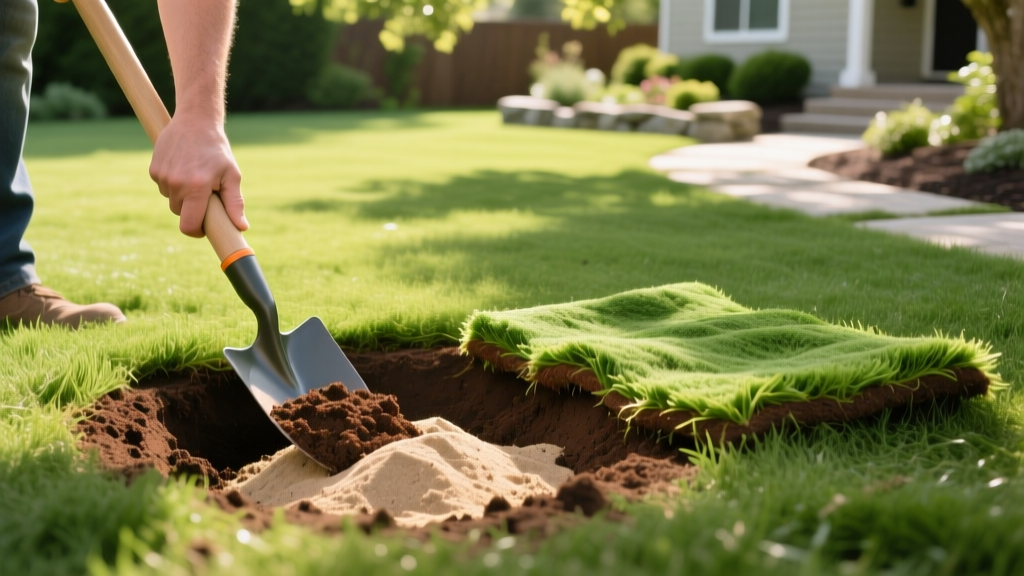
- The Planting Hole: Dig a hole that is two to three times wider than the root ball, but no deeper. The root flare (where the trunk widens at the base) must sit slightly above the surrounding soil grade. Planting too deep is the number one cause of tree death in residential landscapes.
- Backfilling: Use the native soil you just dug out to backfill the hole. Amending the backfill with heavy compost or potting soil creates a "bathtub effect," where water pools in the loose soil and rots the roots.
- Mulching: Apply a 2 to 4-inch layer of organic wood chip mulch in a wide ring around the plant. Keep the mulch at least 3 inches away from the trunk to prevent rot and pest infestations. Never "volcano mulch."
- Irrigation: Provide 1 to 1.5 inches of water per week. Use a slow-drip soaker hose to ensure the water penetrates deeply into the root zone rather than running off the surface.
By respecting the natural rhythms of plant physiology and timing your hardscaping and garden bed installations accordingly, you ensure a vibrant, sustainable, and low-maintenance landscape that will thrive for decades.