Landscaping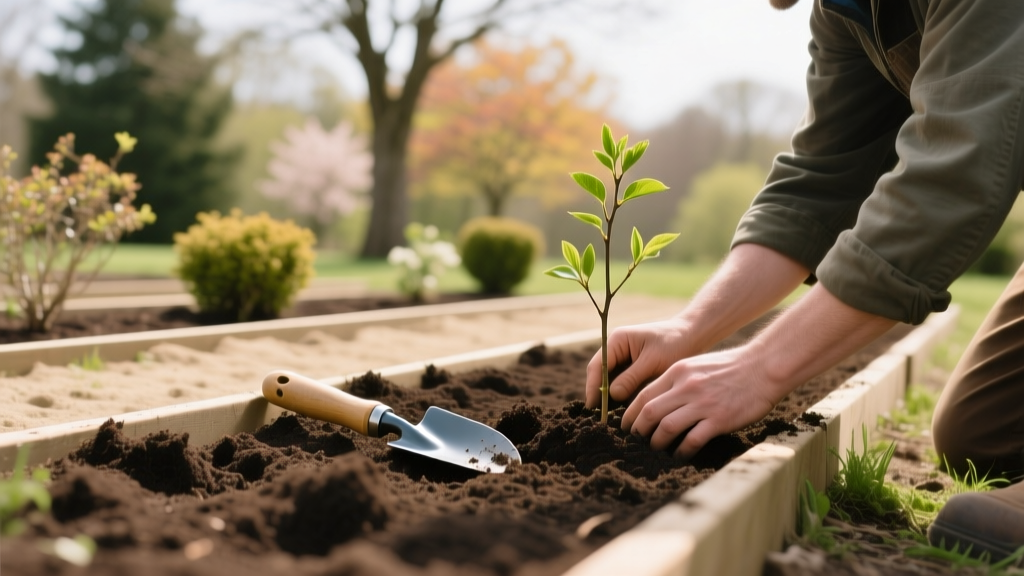
When to Plant Trees and Shrubs: A Seasonal Timing Guide
Mike RodriguezPublished
The Golden Rule of Landscaping: Timing is Everything
Installing trees and shrubs is one of the most significant investments you can make in your property's curb appeal and long-term ecosystem. However, the survival and vigor of your new landscape depend far more on when you plant than on the specific species you choose. While many homeowners rush to garden centers in the middle of a sweltering July or a freezing January, professional landscapers adhere to strict seasonal timing guides to ensure optimal root establishment.
In this comprehensive when-to timing guide, we will break down the science of soil temperatures, outline the best seasonal windows for planting woody ornamentals, and provide a step-by-step protocol to guarantee your landscape thrives for decades.
The Science of Soil Temperature vs. Air Temperature
One of the most common mistakes in landscape design is judging planting readiness by the air temperature. According to the University of Minnesota Extension, root growth is primarily driven by soil temperature, not ambient air temperature. Woody plant roots actively grow and expand when soil temperatures are between 50°F and 65°F (10°C to 18°C).
When air temperatures are mild but the soil remains warm, the plant can focus its energy entirely on subterranean root development rather than supporting top-growth, flowering, or fruiting. This is why timing your planting to coincide with these specific soil temperature windows is the ultimate key to landscaping success.
Fall Planting: The Gold Standard for Root Establishment
For the vast majority of trees and shrubs, fall is unequivocally the best time to plant. As autumn progresses, air temperatures cool, which signals the plant to slow down its canopy growth and enter dormancy. Meanwhile, the soil retains the residual heat of the summer, remaining in that ideal 50°F to 65°F sweet spot for root expansion.
Timing the Fall Window
- Northern Climates (Zones 3-5): Plant from late August through mid-October. You must complete planting at least 6 to 8 weeks before the ground is expected to freeze solid.
- Transitional Climates (Zones 6-7): Plant from September through November.
- Southern Climates (Zones 8-10): Plant from October through December, or even into early January, as the ground rarely freezes deeply.
Actionable Advice: When fall planting, apply a 2-to-3-inch layer of organic hardwood mulch over the root zone to insulate the soil and retain moisture. Be sure to keep the mulch at least 3 inches away from the trunk flare to prevent rot and rodent damage.
Spring Planting: Navigating the Thaw and Bud Break
While fall is ideal, spring planting is sometimes necessary, particularly for bare-root stock, frost-tender broadleaf evergreens, or species that are prone to winter frost heaving. The goal in spring is to get the plant into the ground after the soil has thawed and dried out enough to work, but before the plant breaks bud and pushes out new foliage.
Once a plant leafs out, it requires massive amounts of water to support transpiration. If the root system is not yet established, the plant will suffer severe transplant shock during the first summer heatwave. The Clemson University Cooperative Extension recommends planting as soon as the soil is workable in early spring, typically March to April in most temperate zones.
Spring Planting Checklist
- Wait for the soil to dry; working wet, muddy soil destroys its structure and causes compaction.
- Prune any broken or circling roots before placing the plant in the hole.
- Use a slow-release, low-nitrogen fertilizer or a specialized root stimulator containing mycorrhizal fungi (such as Espoma Bio-tone Starter Plus) to encourage rapid root branching without forcing vulnerable top growth.
Summer and Winter: High-Risk Planting Seasons
Planting in the heat of summer or the depths of winter should be avoided whenever possible. Summer planting subjects newly dug plants to extreme transpiration rates, requiring daily, labor-intensive watering to prevent desiccation. Winter planting, particularly in regions with freeze-thaw cycles, can lead to 'frost heaving,' where the expanding ice in the soil literally pushes the unestablished root ball out of the ground, exposing the roots to freezing, drying winds.
Seasonal Planting Timing & Risk Matrix
Use the following data table to determine your optimal planting window based on your regional climate and the type of plant material you are installing.
| Season | Ideal Months (North/South) | Target Soil Temp | Risk Level | Best Plant Types |
|---|---|---|---|---|
| Fall | Aug-Oct / Oct-Dec | 50°F - 65°F | Low | Balled & burlapped trees, container shrubs, evergreens |
| Spring | Mar-May / Feb-Apr | 45°F - 60°F | Medium | Bare-root trees, frost-tender shrubs, perennials |
| Summer | Jun-Aug / May-Sep | Above 75°F | High | Heat-loving annuals, tropicals (avoid woody plants) |
| Winter | Nov-Feb / Dec-Feb | Below 40°F | Extreme | Dormant bare-root stock (South only) |
Step-by-Step Planting Protocol for Any Season
Regardless of the season, proper installation technique is non-negotiable. Follow these exact measurements and steps to ensure your landscape investment survives.
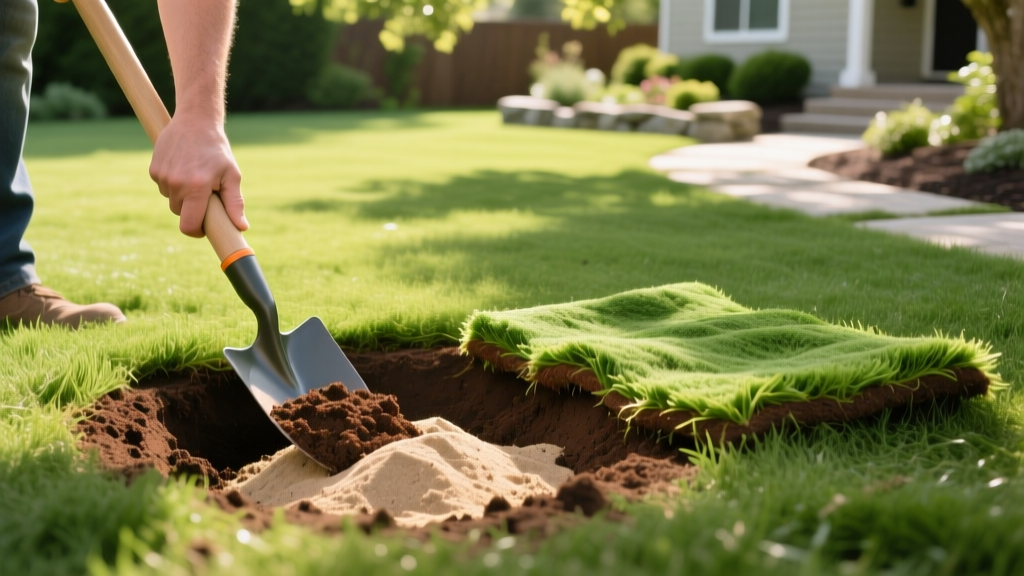
1. Measure and Dig the Hole
The hole should be exactly as deep as the root ball, but two to three times as wide. The Arbor Day Foundation emphasizes the critical importance of locating the 'root flare'—the point where the trunk widens and transitions into roots. The root flare must sit 1 to 2 inches above the surrounding grade. Planting too deep is the number one cause of tree mortality in modern landscaping, as it suffocates the roots and invites fungal pathogens.
2. Score and Tease the Roots
If planting from a container, use a utility knife to make four vertical slices down the sides of the root ball and shave off the bottom inch. This severs circling roots that would otherwise girdle and strangle the tree as it matures.
3. Backfill with Native Soil
Avoid the temptation to fill the hole entirely with rich potting soil or heavy compost. This creates a 'bathtub effect' where water pools in the loose amended soil and drowns the roots. Backfill with the native soil you dug out, mixing in no more than 20% organic compost by volume.
4. Implement a Watering Schedule
Newly installed trees require roughly 10 gallons of water per inch of trunk caliper per week. For a 2-inch caliper tree, that is 20 gallons weekly. Use a soaker hose or a drip irrigation system with a 2-gallon-per-hour (GPH) emitter left on for 10 hours to ensure deep, slow penetration that reaches the bottom of the root zone.
5. Stake Only When Necessary
Contrary to popular belief, most trees do not need to be staked. Allowing the trunk to sway in the wind stimulates the production of reaction wood, which builds a stronger, thicker trunk base. Only stake trees planted in extremely high-wind areas or those with top-heavy canopies and underdeveloped root balls. If you must stake, use wide, flexible canvas straps rather than wire, and remove them after one growing season to prevent girdling.
Budgeting: DIY vs. Professional Landscaping Costs
Understanding the financial commitment of timing and planting is essential for landscape planning. Here is a cost breakdown for installing a standard 15-gallon shade tree (approximately 8 to 10 feet tall):
- DIY Material Costs: $80 to $150 for the tree, plus $15 for premium mulch, $10 for mycorrhizal root inoculant, and $25 for a soaker hose. Total: $130 - $200.
- Professional Installation: Landscape contractors typically charge $350 to $650 per tree, which includes the plant material, delivery, heavy equipment for digging, soil amendments, staking (if necessary on windy sites), and a one-year replacement warranty.
Furthermore, purchasing plant material during late-season nursery sales in October or November can reduce your DIY material costs by 30% to 50%, making fall not only the biologically optimal time to plant but also the most economically advantageous. By timing your planting correctly in the fall or early spring, you drastically reduce the water bills and plant replacement costs associated with high-risk summer installations.
Conclusion
Mastering the 'when' of landscaping is just as vital as mastering the 'where' and 'what.' By aligning your planting schedule with natural soil temperature cycles, utilizing proper root-flare positioning, and committing to deep, slow watering protocols, you will establish a resilient, thriving landscape that enhances your property's value and ecological health for generations to come.