Landscaping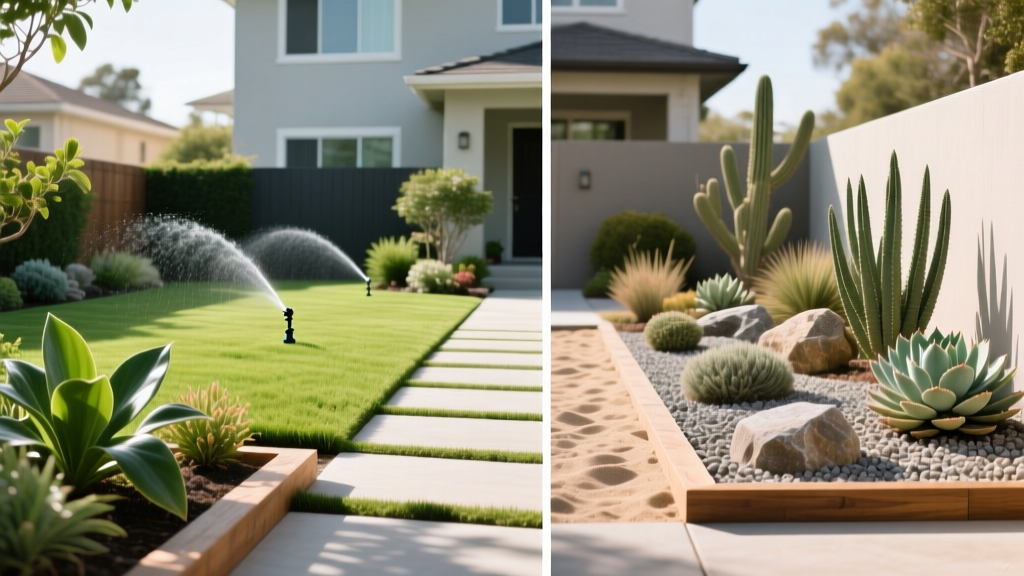
Xeriscaping vs Traditional Landscaping Cost Breakdown
Anna KowalskiPublished
When homeowners begin planning a comprehensive backyard overhaul or front yard curb appeal enhancement, one of the most critical decisions they face is choosing between a traditional turf-heavy landscape and a sustainable, water-wise xeriscape. Historically, the American dream has been synonymous with a sprawling, emerald-green Kentucky Bluegrass or Bermuda lawn. However, shifting climate patterns, stringent municipal water restrictions, and a growing awareness of ecological sustainability have propelled xeriscaping into the mainstream landscaping conversation.
But how do the costs actually compare? While traditional landscaping often presents a lower barrier to entry regarding initial installation, the compounding maintenance and water expenses can quickly eclipse the upfront investment of a xeriscape. This comprehensive pricing guide breaks down the true costs, hidden fees, and long-term return on investment (ROI) of xeriscaping versus traditional landscaping, helping you make an informed, budget-conscious decision for your outdoor living space.
Understanding the Two Approaches
Before diving into the numbers, it is essential to define what we are comparing. Traditional landscaping typically relies heavily on broad expanses of turfgrass, supplemented by ornamental shrubs, annual flower beds, and high-volume overhead sprinkler systems. It requires weekly mowing, regular fertilization, aeration, and significant water inputs to maintain its aesthetic appeal.
"Xeriscaping is not about creating a barren, desert-like yard with only rocks and cacti. It is a thoughtful, design-forward approach to landscaping that prioritizes water conservation, native ecology, and drastically reduced maintenance without sacrificing curb appeal."
Xeriscaping, a term originally coined by the Denver Water Department in 1981, is based on seven core principles: planning and design, soil improvement, efficient irrigation, plant zoning (hydrozoning), mulches, turf limitation, and appropriate maintenance. It utilizes drought-tolerant native plants, permeable hardscaping, and targeted drip irrigation to create a vibrant, resilient landscape that thrives with minimal supplemental water.
Traditional Landscaping: Upfront and Ongoing Costs
The appeal of traditional landscaping lies in its immediate gratification and relatively predictable installation costs. Laying sod provides an instant, lush green canvas, and standard nursery shrubs are widely available and inexpensive.
Installation Costs
- Turf Installation: Sod typically costs between $0.50 and $1.50 per square foot for materials, with professional installation adding another $0.50 to $1.00 per square foot. For a 5,000-square-foot lawn, expect to pay between $5,000 and $12,500.
- Irrigation Systems: An underground sprinkler system is mandatory in most climates to keep turf alive. Installation averages $2,500 to $4,500 for a standard suburban lot, depending on the number of zones and smart-controller integration.
- Soil Preparation: Basic tilling and topsoil spreading generally cost $1.00 to $2.00 per square foot.
Ongoing Maintenance Costs
The true cost of traditional landscaping reveals itself over time. Weekly mowing and edging services cost $40 to $80 per visit, totaling roughly $1,500 to $2,500 annually during the growing season. Add in annual aeration ($150-$250), seasonal fertilization and weed control ($300-$500), and the recurring monthly water bills, and a traditional lawn becomes a significant recurring liability on your household budget.
Xeriscaping: Upfront and Ongoing Costs
Xeriscaping requires a paradigm shift in how we view landscaping budgets. The upfront costs are generally higher due to the labor-intensive nature of site preparation, specialized hardscaping, and the premium on mature, drought-tolerant native plants. However, the ongoing costs plummet dramatically after the first year of establishment.
The Hidden Cost: Turf Removal and Site Prep
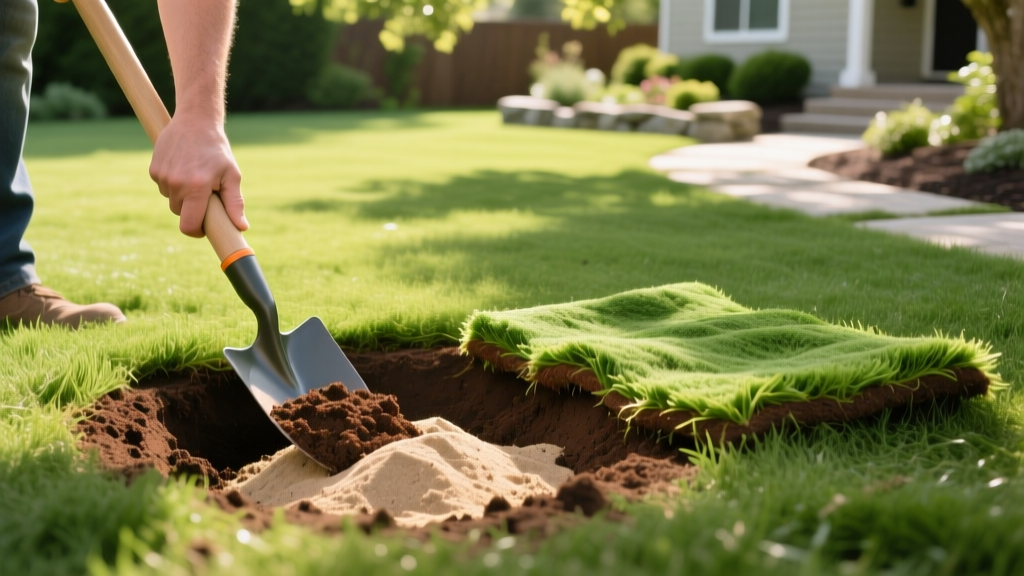
If you are converting an existing lawn to a xeriscape, the first expense is turf removal. Mechanical sod cutting and hauling cost between $1.50 and $3.00 per square foot. Alternatively, sheet mulching (using cardboard and heavy compost layers to smother the grass) is cheaper but takes months to decompose. Proper soil amendment is also critical; native plants often require well-draining soil, meaning heavy clay soils must be amended with expanded shale, pumice, or coarse sand, adding $500 to $1,500 to the project.
Hardscaping and Hydrozoning
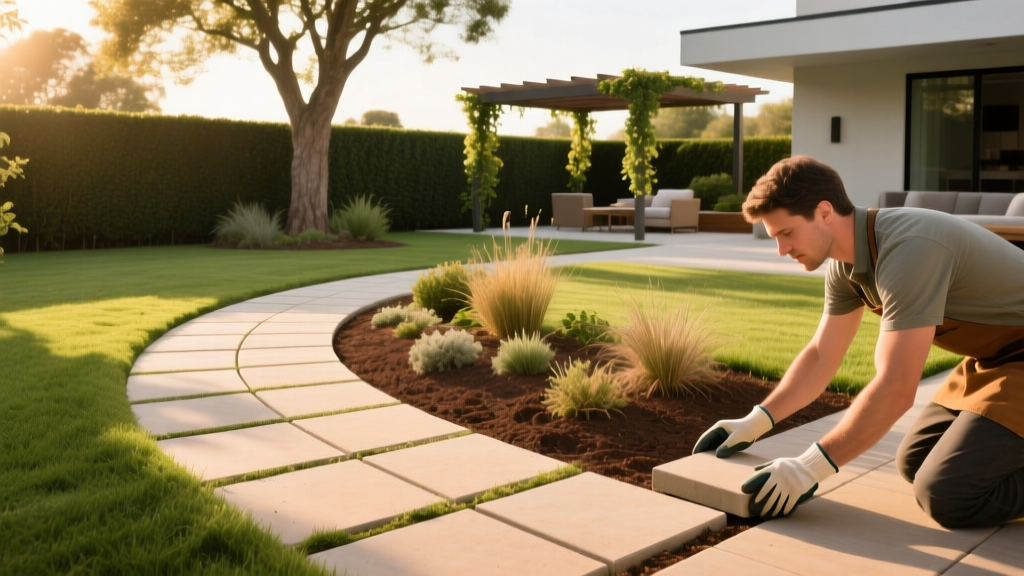
To reduce the area that requires any water at all, xeriscapes heavily incorporate hardscaping. Permeable pavers, decomposed granite (DG), and decorative river rock cost between $3.00 and $10.00 per square foot installed. Furthermore, xeriscaping relies on "hydrozoning"—grouping plants with similar water needs together. This requires a specialized drip irrigation system ($1,500 to $3,000), which delivers water directly to the root zone, eliminating the evaporation losses associated with overhead sprinklers.
Plant Material
Native and drought-tolerant plants can be more expensive than mass-produced nursery shrubs. A mature Agave, Desert Willow, or native ornamental grass can range from $30 to $150 per specimen. However, because xeriscapes utilize "negative space" filled with mulch or gravel, you ultimately purchase fewer plants than you would in a densely packed traditional garden bed.
Head-to-Head Cost Comparison
The following table illustrates the estimated financial differences between a traditional turf-heavy landscape and a professionally installed xeriscape for an average 5,000-square-foot yard over a five-year period.
| Feature | Traditional Turf Landscape | Xeriscape / Water-Wise Landscape |
|---|---|---|
| Installation Cost (per sq. ft.) | $5.00 - $10.00 | $10.00 - $20.00+ |
| Irrigation System | $2,500 - $4,500 (Sprinklers) | $1,500 - $3,000 (Drip) |
| Weekly Maintenance | $40 - $80 (Mowing/Edging) | $0 - $30 (Seasonal Weeding) |
| Monthly Water Impact | High (30-60% of home usage) | Low (50-75% reduction) |
| Annual Chemicals/Fertilizer | $100 - $300 | $0 - $50 |
| 5-Year Total Cost of Ownership | $25,000 - $35,000 | $15,000 - $22,000 |
The Long-Term ROI: Water and Maintenance Savings
The most compelling argument for xeriscaping is the long-term return on investment, primarily driven by water conservation and the elimination of weekly lawn care services. According to the Environmental Protection Agency (EPA), the average American family uses 320 gallons of water per day, with nearly 30% dedicated to outdoor uses. In arid and semi-arid regions, this outdoor water usage can jump to 60% of the household total, largely due to inefficient turf irrigation.
By replacing thirsty turf with native plants and efficient drip systems, homeowners can drastically reduce their utility bills. The U.S. Department of Energy notes that strategic, water-efficient landscaping can reduce household water consumption for landscaping by up to 50% to 75%. For a household paying $150 a month for water and sewer during the summer, a 60% reduction in outdoor use can save upwards of $500 to $800 annually. When combined with the $2,000+ saved annually on mowing, fertilization, and aeration, a xeriscape typically pays for its upfront premium within 4 to 7 years.
Leveraging Local Turf-Replacement Rebates
When calculating your xeriscaping budget, you must research local municipal and water district incentives. Because water infrastructure is expensive to maintain and expand, many municipalities in drought-prone areas actively pay homeowners to remove their lawns. Turf-replacement rebate programs frequently offer between $1.00 and $3.00 per square foot of removed grass, provided the new landscape meets specific permeable surface and plant-water-use criteria. A 5,000-square-foot lawn removal could yield a $5,000 to $15,000 rebate, effectively neutralizing the higher upfront installation costs of a xeriscape and making it the undisputed financial winner from day one.
Phasing Your Project for Budget Management
If the upfront cost of a complete xeriscape renovation is prohibitive, consider a phased approach. Phase one can involve turf removal, soil amendment, and the installation of the primary hardscaping elements like patios and dry creek beds. Phase two can focus on planting the structural "anchor" plants, such as native trees and large shrubs, allowing them time to establish deep root systems. Phase three can be completed the following season, filling in the understory with perennial flowers, groundcovers, and decorative mulches. This spreads the financial burden over multiple years while allowing you to DIY the less labor-intensive phases, such as laying cardboard for sheet mulching or spreading gravel.
Conclusion
Choosing between traditional landscaping and xeriscaping is ultimately a choice between short-term savings and long-term sustainability. While a traditional lawn offers immediate, familiar greenery, it acts as a perpetual financial drain through high water usage, chemical dependencies, and weekly labor. Xeriscaping demands a higher initial investment and a shift in aesthetic appreciation, but it rewards the homeowner with a dynamic, ecologically beneficial outdoor space that practically maintains itself. By weighing the installation costs against the guaranteed long-term water and maintenance savings, xeriscaping emerges as the superior financial and environmental choice for the modern landscape.