Pest Control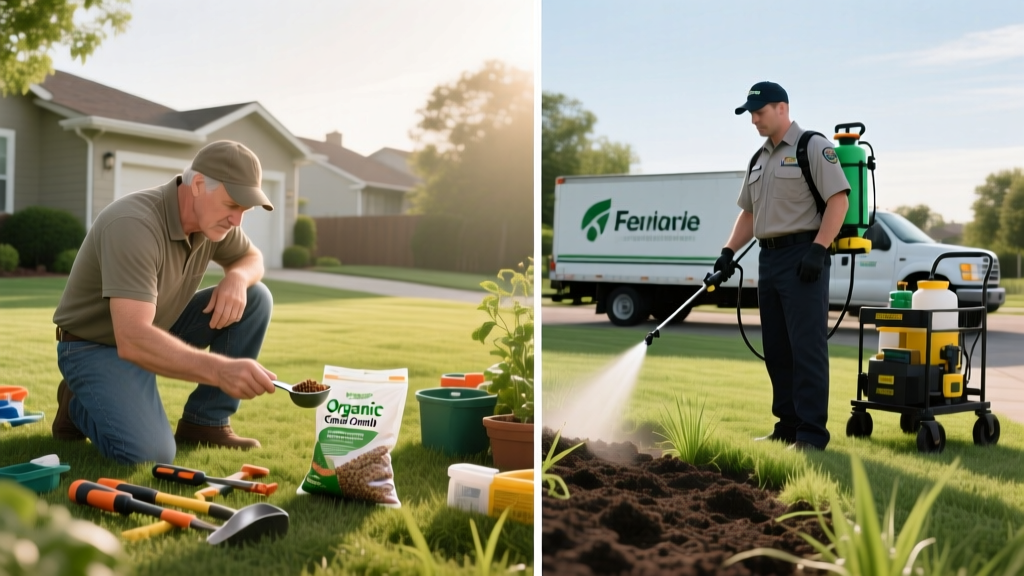
Grub Control Cost Guide: Pricing and Treatment Options
James MillerPublished
Understanding the True Cost of Grub Damage
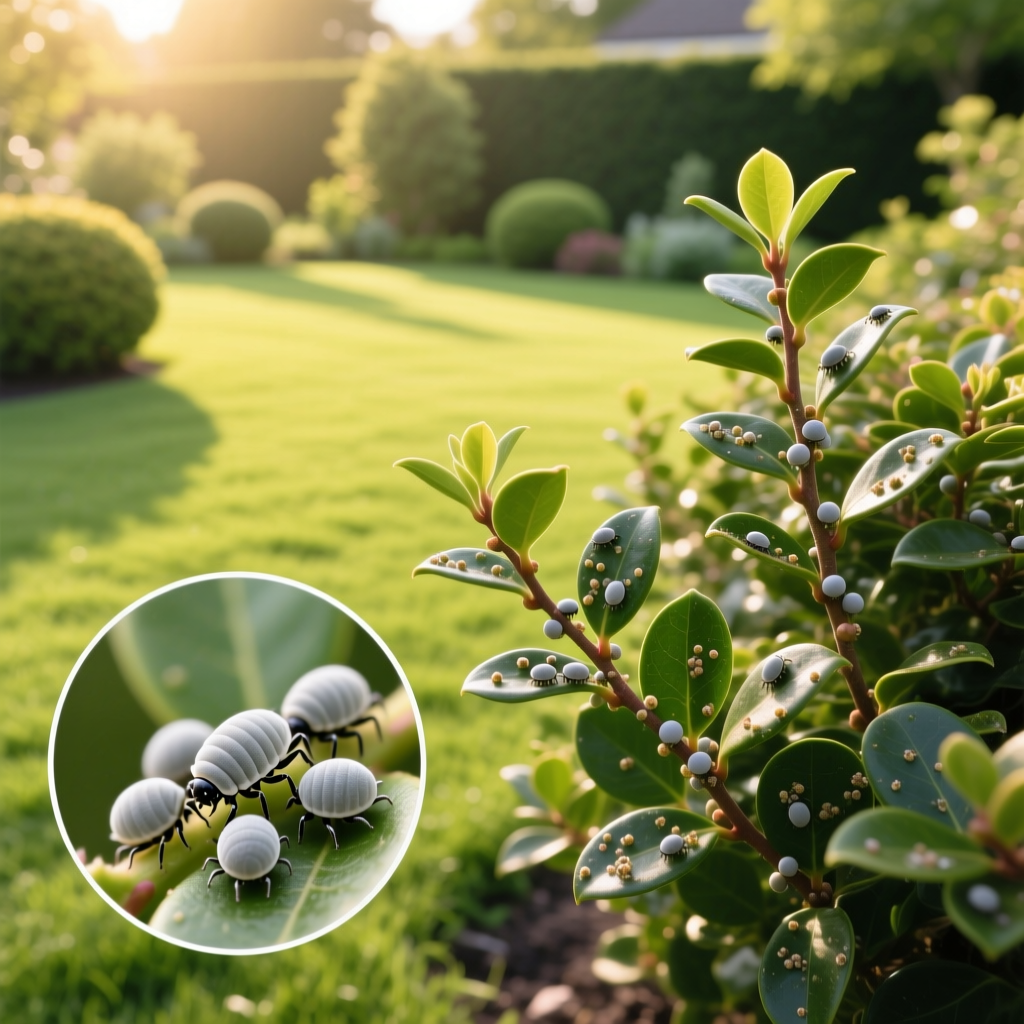
White grubs are the larval stage of various scarab beetles, including Japanese beetles, June bugs, and European chafers. These C-shaped, cream-colored pests live just beneath the soil surface and feed aggressively on grassroots. If left unchecked, a severe grub infestation can destroy an entire lawn in a matter of weeks, leading to expensive turf replacement. When budgeting for lawn pest control, homeowners must consider not only the cost of the treatment itself but also the potential costs of lawn repair, animal damage mitigation, and long-term preventative care. According to Penn State Extension, a healthy lawn can tolerate a small number of grubs, but populations exceeding 10 grubs per square foot typically require immediate and costly intervention.
Signs of a Grub Infestation
Before spending money on treatments, confirm that grubs are the culprit. Common signs include irregular patches of dead, brown grass that detach easily from the soil like loose carpet. You may also notice increased activity from wildlife such as skunks, raccoons, and birds, which will tear up your turf to feast on the protein-rich larvae. Additionally, a spongy feeling underfoot when walking on the lawn is a primary indicator of severed root systems. Confirming the presence of grubs by cutting a one-square-foot section of turf and peeling it back will save you from wasting money on incorrect fungal or drought-related treatments.
Professional Grub Control Pricing
Hiring a licensed lawn care professional to handle grub control is the most convenient option, ensuring proper product selection, precise calibration, and timely application. The national average cost for professional grub control ranges from $150 to $350 per treatment, depending on the size of your property and the severity of the infestation. Most lawn care companies price their services based on square footage, typically charging between $0.02 and $0.06 per square foot for preventative applications, and up to $0.10 per square foot for curative treatments.
Professional Service Cost Breakdown by Lawn Size
| Lawn Size (Sq. Ft.) | Preventative Treatment Cost | Curative Treatment Cost |
|---|---|---|
| 2,500 | $50 - $125 | $125 - $250 |
| 5,000 | $100 - $250 | $250 - $500 |
| 10,000 | $200 - $500 | $500 - $1,000 |
| 15,000+ | $300 - $750+ | $750 - $1,500+ |
Many professional lawn care companies bundle grub control into comprehensive annual lawn care programs, which can reduce the standalone cost by 15% to 20%. Always ask your provider whether their quote includes a guarantee that covers lawn repair or re-treatment if the grubs survive the application.
DIY Grub Control: Product Costs and Breakdown
For homeowners willing to invest the time and labor, DIY grub control is significantly more cost-effective. The price of DIY products varies wildly based on whether you choose synthetic chemicals or organic biological controls. As noted by Ohio State University Extension, timing is the most critical factor in grub management; applying a curative product when preventative measures are required (or vice versa) will result in wasted money and continued lawn damage.
Preventative vs. Curative Chemical Treatments
Preventative treatments are applied in early summer (June to early July) and target newly hatched, vulnerable grubs. Products containing Chlorantraniliprole (such as Scotts GrubEx) or Imidacloprid are industry standards. These cost between $15 and $25 per 5,000 square feet. Curative treatments, used in late summer or early fall when grubs are larger and actively destroying roots, require fast-acting chemicals like Trichlorfon (commonly sold as Bayer Advanced 24-Hour Grub Killer or Dylox). Curative products are slightly more expensive, averaging $20 to $35 per 5,000 square feet, and often require heavy watering to activate the chemical into the root zone.
Organic and Biological Controls
Environmentally conscious homeowners often opt for biological controls. Beneficial nematodes (specifically the Heterorhabditis bacteriophora strain) are microscopic worms that hunt and destroy grubs in the soil. Nematodes cost between $25 and $50 per 5,000 square feet. However, they require strict adherence to soil moisture and temperature guidelines, and must be kept out of direct UV light during application. Another organic option is Milky Spore disease, a naturally occurring bacterium that targets Japanese beetle grubs. While the upfront cost is high—often $40 to $60 for a 5,000 square foot coverage—it only needs to be applied once and remains effective in the soil for 10 to 15 years, making it highly cost-effective over time.
Hidden Costs: Lawn Repair After Grub Damage
The most expensive aspect of a grub infestation is often not the pest control product, but the subsequent lawn renovation. If grubs have severed the roots, the turf is dead and will not recover, regardless of how many pesticides you apply. According to turfgrass experts at Michigan State University Extension, severe damage requires complete renovation. Reseeding a damaged lawn costs between $0.10 and $0.20 per square foot, factoring in topsoil, seed, starter fertilizer, and straw mulch. For a 5,000 square foot lawn, reseeding will add $500 to $1,000 to your total grub-related expenses. If you require instant results or are dealing with erosion on a slope, laying new sod costs between $0.50 and $1.50 per square foot, potentially pushing your repair bill well over $5,000 for an average-sized property.
Cultural Practices to Reduce Future Costs
You can reduce your long-term pest control budget by implementing cultural practices that make your lawn less hospitable to egg-laying beetles. Adult beetles prefer to lay their eggs in short, over-watered, and highly fertilized turf. By raising your mower deck to 3.5 or 4 inches, you encourage deeper root growth and create a denser canopy that dries out the top layer of soil, making it less attractive for egg deposition. Furthermore, transitioning to slow-release, organic fertilizers prevents the massive flushes of tender, succulent root growth that attract foraging grubs. Deep, infrequent watering also trains roots to grow deeper into the soil profile, placing them slightly out of reach of shallow-feeding young grubs.
Summary: Budgeting for Grub Control
Ultimately, the most budget-friendly approach to grub control is proactive prevention. Spending $20 on a bag of preventative granules in early summer is vastly superior to spending $50 on curative chemicals in the fall, followed by $800 in aeration, topdressing, and overseeding to repair the damage. Assess your lawn's history, monitor for adult beetle activity in June, and choose the treatment method that aligns with both your environmental values and your financial budget.