Pest Control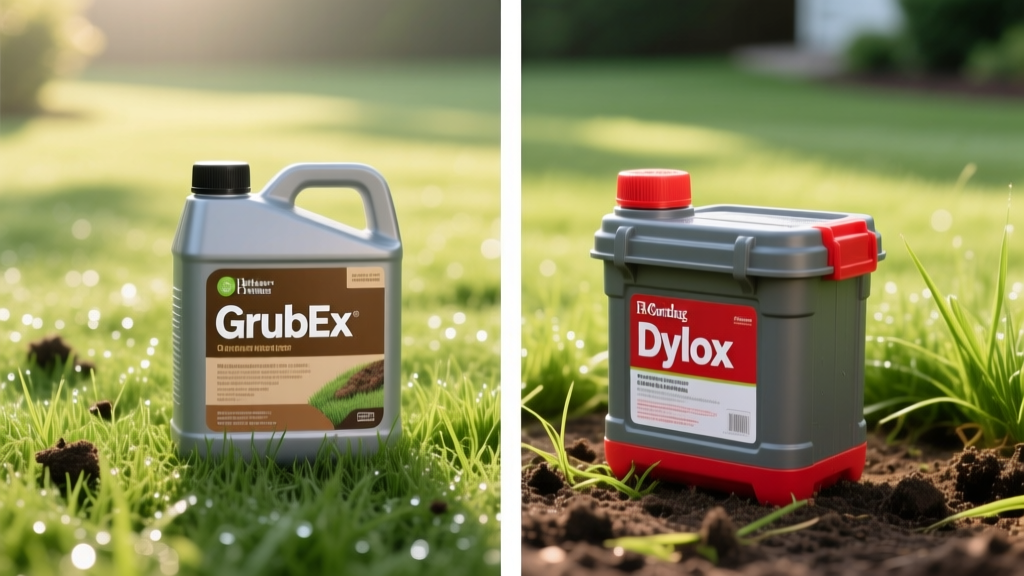
GrubEx vs Dylox: Choosing the Best Grub Killer for Lawns
David ParkPublished
The Battle Against Lawn Grubs
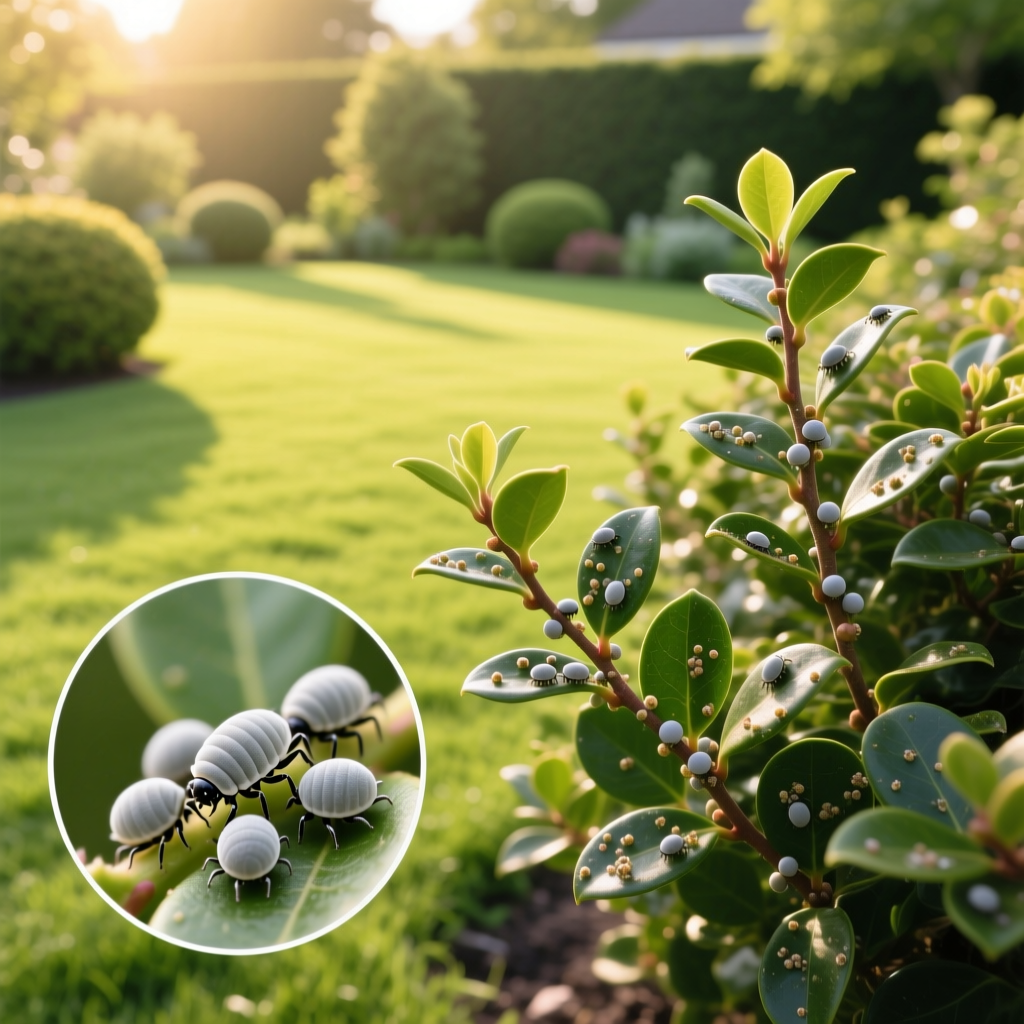
Every summer, homeowners across the country watch in dismay as their lush, green lawns develop irregular brown patches that peel back like loose carpet. The culprit is almost always white grubs—the voracious larval stage of Japanese beetles, June bugs, and European chafers. When it comes to eradicating these subterranean pests, two products dominate the market: Scotts GrubEx1 (Chlorantraniliprole) and Bayer Advanced 24 Hour Grub Killer Plus / Dylox (Trichlorfon). But which one is right for your lawn? The answer depends entirely on your timing, the severity of the infestation, and your overall pest management strategy.
Understanding the Active Ingredients
Chlorantraniliprole (GrubEx1)
Chlorantraniliprole is a modern, highly targeted insecticide that belongs to the anthranilic diamide class. It works by binding to the ryanodine receptors in the insect's muscles, causing paralysis and eventual death. Because it is highly specific to certain insect receptors, it is remarkably safe for beneficial insects, earthworms, and pollinators. However, it is a slow-acting compound. It requires the grub to ingest the treated grass roots over several days before it takes effect, making it an excellent preventative measure but a poor choice for an active, emergency outbreak.
Trichlorfon (Dylox)
Trichlorfon is an organophosphate insecticide that has been a staple in professional turf management for decades. It acts as an acetylcholinesterase inhibitor, rapidly disrupting the nervous system of the grub. Unlike Chlorantraniliprole, Trichlorfon works on contact and through ingestion, delivering a rapid knockdown effect. It is the go-to rescue treatment when grubs are already actively feeding and destroying turf roots in late summer or early fall. However, it has a very short residual life in the soil and carries higher environmental and handling precautions.
GrubEx vs. Dylox: Head-to-Head Comparison
| Feature | GrubEx1 (Chlorantraniliprole) | Dylox (Trichlorfon) |
|---|---|---|
| Control Type | Preventative | Curative (Rescue) |
| Best Application Time | Spring to Early Summer (April - June) | Late Summer to Early Fall (August - September) |
| Speed of Kill | Slow (Days to Weeks) | Fast (24 to 48 Hours) |
| Residual Activity | Long (Up to 4 months) | Short (Less than 2 weeks) |
| Pollinator Safety | High (Bee-friendly) | Moderate (Toxic to bees if exposed directly) |
| Primary Target | Newly hatched, small grubs | Large, actively feeding grubs |
| Typical Cost | ~$20 - $25 per 10,000 sq ft | ~$15 - $20 per 10,000 sq ft |
When to Choose GrubEx: The Preventative Strategy
If you are reading this in the spring or early summer, GrubEx is your undisputed champion. The goal of a preventative treatment is to create a toxic barrier in the soil and root zone before the adult beetles even lay their eggs. When the eggs hatch in mid-to-late summer, the tiny, highly vulnerable first-instar grubs begin feeding on the treated roots and perish before they can grow large enough to cause visible turf damage.
Application Guidelines for GrubEx
- Timing: Apply between April and June, ideally before the summer heat peaks and before Japanese beetle mating season begins.
- Rate: The standard application rate is 2.87 pounds per 1,000 square feet.
- Watering: You must water the lawn with at least 0.5 inches of irrigation or rainfall immediately after application to move the active ingredient into the root zone where the grubs will eventually feed.
When to Choose Dylox: The Curative Rescue Mission
If it is late August or September and you are already seeing brown patches, skunks digging up your yard, or flocks of birds tearing at your turf, it is too late for GrubEx. You have an active infestation of large, third-instar grubs that are consuming roots at an alarming rate. This is where Dylox shines. According to turfgrass entomologists at Michigan State University Extension, Trichlorfon is one of the few products capable of penetrating the soil and killing mature grubs quickly enough to save the remaining turf before winter dormancy.
Application Guidelines for Dylox
- Timing: Apply in late summer or early fall when grubs are actively feeding within the top two inches of soil.
- Rate: Apply at the rate specified on the label for curative control, typically around 3 pounds per 1,000 square feet for the 6.2% granular formulation.
- Watering: Dylox degrades rapidly in sunlight and alkaline conditions. It must be watered in immediately with 0.5 to 1 inch of water to wash the granules off the grass blades and into the soil.
Environmental Impact and Pollinator Safety
Modern Integrated Pest Management (IPM) heavily emphasizes protecting non-target organisms, particularly pollinators like honeybees and native bumblebees. Chlorantraniliprole (GrubEx) is widely celebrated in the turf industry for its excellent environmental profile. It poses virtually no risk to bees, even if they forage on flowering weeds like clover or dandelions growing in the lawn.
Trichlorfon (Dylox), on the other hand, is an organophosphate and is moderately toxic to bees upon direct contact. To mitigate this risk, homeowners should mow the lawn and remove any flowering weeds before applying Dylox. Furthermore, because Dylox breaks down quickly in the soil (often within a few days to a week), it does not pose the long-term systemic risks associated with older neonicotinoid insecticides like Imidacloprid. For a comprehensive look at how different insecticides affect turf ecosystems, Penn State Extension provides excellent guidelines on balancing effective grub control with environmental stewardship.
Pro Tip: Never apply any grub control product to a drought-stressed lawn. Grubs move deeper into the soil profile during dry periods to find moisture, making them nearly impossible to reach with surface-applied granules, regardless of the active ingredient.
The IPM Approach: Scouting Before You Spray
Before purchasing either product, it is crucial to verify that grubs are actually the cause of your lawn's decline. Diseases like dollar spot, brown patch, or drought stress can mimic grub damage. The Penn State Extension recommends the "tug test" and the "sod peel test" to confirm an infestation.
- The Tug Test: Grab a handful of brown grass and pull gently. If it rolls back like a carpet with no roots attached, grubs have likely severed the root system.
- The Sod Peel Test: Use a shovel to cut a one-foot by one-foot square of turf, about two inches deep, and peel it back. Count the number of C-shaped, white grubs in the soil and on the roots. Replace the sod and water it.
- The Threshold: Finding 1 to 4 grubs per square foot is normal and usually does not require treatment. If you count 5 to 10 or more grubs per square foot, treatment is justified.
Beyond chemical controls, a robust IPM strategy incorporates biological controls. Beneficial nematodes (Heterorhabditis bacteriophora) can be applied in late summer to parasitize grubs naturally. Additionally, encouraging natural predators like ground beetles and certain bird species can help keep grub populations below the damage threshold.
Maintaining optimal soil health also plays a role in grub tolerance. Lawns with deep, extensive root systems developed through proper aeration, annual compost top-dressing, and deep, infrequent watering can withstand higher grub populations before showing visible surface damage. A stressed lawn with shallow roots will show damage from just a few grubs, whereas a vigorous lawn might mask the feeding activity entirely.
Final Verdict: Which Should You Buy?
The choice between GrubEx and Dylox is not a matter of one being universally "better" than the other; rather, it is about using the right tool for the right season. If you are planning ahead and want a low-stress, environmentally friendly, long-lasting shield for your lawn, GrubEx is the superior preventative choice. Apply it in the spring, water it in, and enjoy peace of mind all summer.
However, if the damage is already done, the grubs are large, and your lawn is actively dying in the late summer heat, Dylox is the emergency rescue treatment you need to halt the destruction in its tracks. By understanding the biology of the pest and the chemistry of the control products, you can maintain a thick, healthy, and resilient lawn year-round.