Pest Control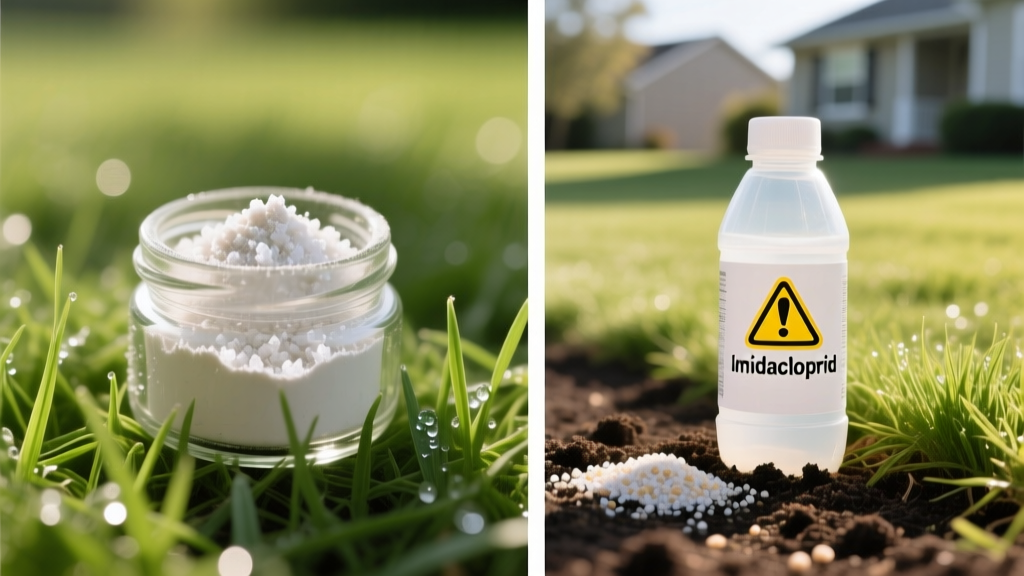
Milky Spore vs Imidacloprid: Ultimate Grub Control
David ParkPublished
The Battle Against Lawn Grubs
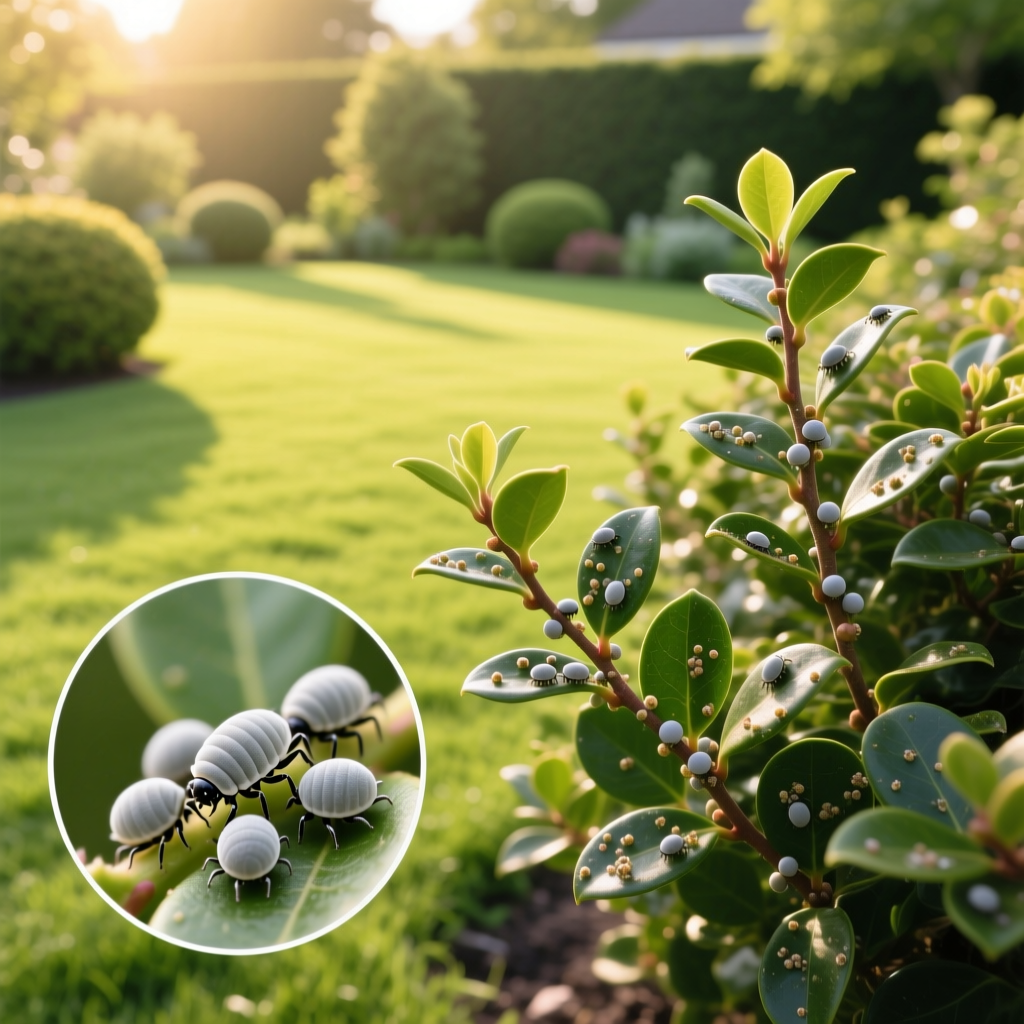
White grubs are the larval stage of various scarab beetles, including Japanese beetles, June bugs, and European chafers. These C-shaped, soil-dwelling pests feed aggressively on turfgrass roots, leading to severe browning, spongy turf, and secondary damage from foraging skunks and raccoons. When it comes to grub control, homeowners and turf managers typically debate two primary products: Milky Spore (a biological control) and Imidacloprid (a chemical systemic).
Choosing between these two vastly different treatments requires an understanding of your specific pest species, your environmental priorities, and your long-term lawn care budget. In this comprehensive guide, we compare Milky Spore and Imidacloprid head-to-head to help you make the best decision for your integrated pest management (IPM) strategy.
Product A: Milky Spore (Biological Control)
Milky Spore is a naturally occurring bacterium known scientifically as Paenibacillus popilliae. It is a highly specialized biological control agent that targets only Japanese beetle grubs (Popillia japonica). When Japanese beetle grubs ingest the spores while feeding on grassroots, the bacteria multiply rapidly inside their hemolymph (blood), turning it a milky white. The grub eventually dies and decomposes, releasing billions of new spores into the surrounding soil to infect future generations.
Pros and Cons of Milky Spore
- Pros: 100% organic and safe for pets, children, earthworms, and pollinators. Once established, it can provide 10 to 15 years of continuous control without reapplication.
- Cons: It is entirely ineffective against other common grub species like European chafers or June bugs. Furthermore, it is a slow-acting solution; it can take two to three years for the spores to build up to effective levels in the soil.
Application and Cost
Milky Spore is typically sold in powder or granular forms (e.g., St. Gabriel Organics). The traditional powder application requires placing one teaspoon of spores in a grid pattern every four feet across your lawn. A 2.5-pound box treats roughly 2,500 square feet and costs around $50 to $60. While the upfront cost is high, the decade-long longevity makes it cost-effective over time.
Product B: Imidacloprid (Chemical Systemic)
Imidacloprid is a broad-spectrum neonicotinoid insecticide commonly sold under brand names like BioAdvanced Season Long Grub Control. It works as a systemic preventative, meaning it is absorbed by the turfgrass roots. When young grubs feed on the treated roots, the chemical disrupts their central nervous system, leading to rapid paralysis and death.
Pros and Cons of Imidacloprid
- Pros: Broad-spectrum efficacy. It will kill Japanese beetles, June bugs, European chafers, and even European crane fly larvae. It is relatively fast-acting when timed correctly and is highly affordable.
- Cons: It is a synthetic chemical with known environmental caveats, particularly regarding aquatic invertebrates and potential pollinator exposure if applied to blooming weeds. It also requires annual reapplication.
Application and Cost
Imidacloprid is usually applied as a granular spreader product or a hose-end liquid spray. Granular applications typically require 1.5 to 2.0 pounds of product per 1,000 square feet. Crucially, it must be watered in immediately with at least 0.5 inches of irrigation to move the chemical past the thatch layer and into the root zone. A standard 10-pound bag costs around $20 to $25 and treats up to 5,000 square feet.
Head-to-Head Comparison Chart
| Feature | Milky Spore (Biological) | Imidacloprid (Chemical) |
|---|---|---|
| Active Ingredient | Paenibacillus popilliae | Imidacloprid (Neonicotinoid) |
| Target Pests | Japanese Beetle Grubs ONLY | All common white grub species |
| Speed of Control | Slow (1-3 years to establish) | Fast (Weeks, if timed correctly) |
| Longevity | 10 to 15 years | 1 season (Annual application) |
| Application Method | Grid drop (powder) or spreader | Spreader or hose-end sprayer |
| Watering Requirement | Light watering to settle spores | Heavy watering (0.5+ inches) required |
| Cost per 1,000 sq ft | ~$20.00 (Initial Year) | ~$4.50 (Annual) |
Application Timing and Methodology
Timing is the single most critical factor in grub control, and these two products require vastly different application schedules.
When to Apply Milky Spore
Because Milky Spore requires active feeding grubs to spread, it should be applied when grubs are near the surface and actively eating. The ideal window is late summer to early fall (August through September), when soil temperatures are still above 65°F (18°C). Applying it in the dead of winter or during a summer drought will result in poor establishment. According to turf experts at the University of Minnesota Extension, ensuring the soil is moist prior to application helps the spores wash into the root zone where the grubs are feeding.
When to Apply Imidacloprid
Imidacloprid is a preventative treatment. It is highly toxic to young, early-instar grubs but loses efficacy against large, mature grubs in the fall. Therefore, it must be applied in late spring to early summer (June to mid-July), before the adult beetles lay their eggs and before those eggs hatch. If you wait until August to apply Imidacloprid, the grubs will likely be too large for the product to control effectively. For active, large grubs in the fall, a fast-acting contact insecticide like Dylox (trichlorfon) is required instead.
Environmental Impact and IPM Integration
Integrated Pest Management (IPM) emphasizes using the least toxic methods first while considering the broader ecosystem. This is where the Milky Spore vs. Imidacloprid debate becomes highly polarized.
Pollinator and Ecosystem Safety
Milky Spore is the undisputed champion of environmental safety. It poses zero risk to bees, birds, aquatic life, or mammals. You can safely apply it near water features, vegetable gardens, and pollinator habitats.
Imidacloprid, however, is a neonicotinoid. While applying it to a turfgrass lawn poses less direct risk to foraging bees than applying it to blooming flowers, the Environmental Protection Agency (EPA) notes that neonicotinoids can persist in the soil and potentially move into adjacent flowering weeds or aquatic environments via runoff. To minimize risk, turf managers must ensure no blooming weeds (like clover) are present in the lawn during application, and they must strictly avoid applying the product before heavy rainstorms that could cause runoff into storm drains.
Identifying Your Grub Species
Before purchasing any product, you must identify the grub species in your lawn. As noted by the University of Kentucky Entomology Department, you can identify Japanese beetle grubs by examining the raster pattern (the microscopic bristle pattern) on the grub's tail end; Japanese beetle grubs have a distinct V-shaped pattern. If your lawn is infested with European chafers (which have no distinct pattern) or June bugs, investing in Milky Spore will be a complete waste of money, as the bacteria will simply starve in the soil without a host.
Cost Analysis Over a 10-Year Period
To truly understand the value proposition, let us look at the cost of treating a standard 5,000-square-foot lawn over a decade.
- Imidacloprid (10 Years): At $25 per annual bag, you will spend $250 over 10 years, plus the cost of water and the physical labor of annual application and watering-in.
- Milky Spore (10 Years): Treating 5,000 square feet requires two 2.5-lb boxes (approx. $110) in Year 1. Assuming the spores establish correctly and provide 15 years of control, your 10-year cost is exactly $110, with zero labor required in years 2 through 10.
Financially, Milky Spore is the superior long-term investment, provided you have Japanese beetles and the patience to wait for the spores to establish.
Final Verdict: Which Product Wins?
There is no single 'best' product; the winner depends entirely on your specific lawn care scenario.
Choose Milky Spore If:
- You have confirmed the presence of Japanese beetle grubs.
- You practice strict organic lawn care and want to protect local pollinators and aquatic ecosystems.
- You are willing to invest more money upfront to eliminate the need for annual grub treatments for the next decade.
- You do not need immediate results and can tolerate minor grub activity for the next 12 to 24 months while the bacteria establishes.
Choose Imidacloprid If:
- You have European chafers, June bugs, or Oriental beetles (Milky Spore will not work).
- Your lawn is currently facing severe, widespread damage and you need a reliable, broad-spectrum preventative for the upcoming hatching season.
- You are on a tight annual budget and prefer spending $25 a year over $100+ upfront.
- You are willing to follow strict environmental precautions, such as mowing down blooming weeds before application and watering the product in deeply to prevent runoff.
By correctly identifying your pest and aligning your choice with your environmental values and budget, you can effectively banish white grubs and maintain a thick, pristine lawn for years to come.