Pest Control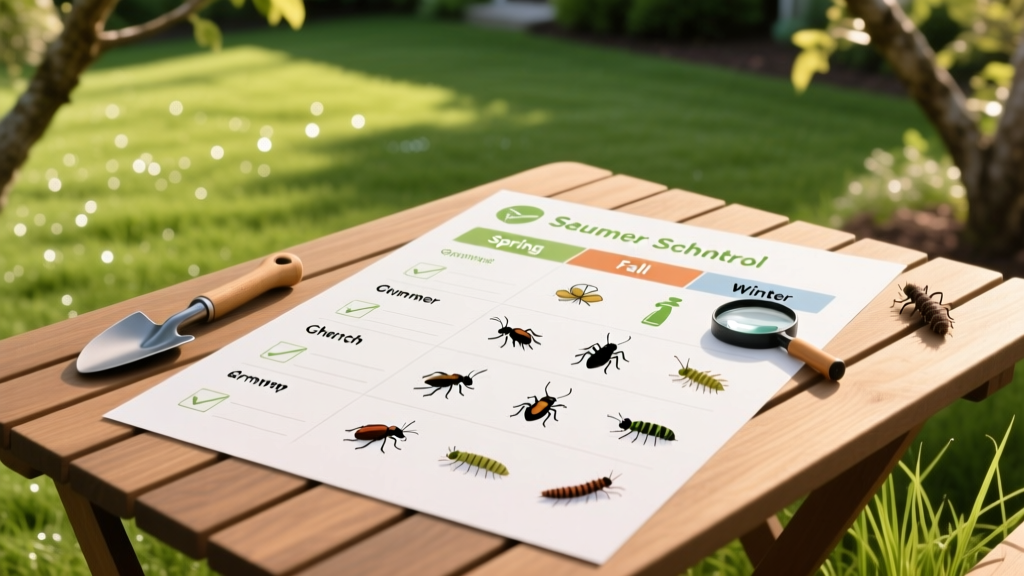
The Complete Seasonal Lawn Pest Control Schedule Guide
Emily WatsonPublished
The Importance of a Proactive Pest Control Schedule
Maintaining a lush, healthy lawn requires more than just regular mowing and fertilization; it demands a strategic approach to pest management. Relying on reactive treatments after your grass has already been decimated is a costly and environmentally taxing mistake. Instead, professional turf managers and savvy homeowners utilize Integrated Pest Management (IPM) schedules. According to the Environmental Protection Agency (EPA), IPM focuses on long-term prevention through a combination of techniques such as biological control, habitat manipulation, and targeted chemical applications only when necessary.
By aligning your pest control efforts with the natural life cycles of common turfgrass insects, you can apply treatments when they are most vulnerable, minimizing chemical usage and maximizing efficacy. Below is your comprehensive, season-by-season lawn pest control schedule and inspection checklist designed to keep grubs, chinch bugs, and armyworms at bay.
Spring Lawn Pest Inspection Checklist (March - May)
Spring is the season of observation. As soil temperatures begin to rise, overwintering pests become active, and the groundwork for summer infestations is laid. Your primary goal during this window is assessment and cultural preparation.
Early Spring (March - April)
- Monitor Soil Temperature: Invest in a reliable soil thermometer. When soil temperatures at a 2-inch depth consistently reach 55°F, insect activity begins. This is your cue to start weekly visual inspections.
- Assess Snow Mold and Winter Damage: While fungal, snow mold weakens grass, making it more susceptible to insect feeding. Rake out dead patches to improve air circulation.
- Inspect for Mole Activity: Moles feed primarily on earthworms, but their tunneling often peaks in early spring. Note active tunnels, as these same pathways are frequently used by skunks and raccoons hunting for grubs later in the year.
Late Spring (May)
- The Spring Grub Assessment: Dig up several 1-square-foot sections of your lawn to a depth of 3 inches. Count the white grubs. If you find fewer than 5 grubs per square foot, treatment is generally unnecessary. If you find 5 to 10, monitor closely. More than 10 requires immediate action.
- Apply Preventative Nematodes: If you prefer organic control, apply beneficial nematodes (Heterorhabditis bacteriophora) in late May when soil temperatures are between 60°F and 70°F. Water them in immediately to protect them from UV degradation.
Summer Pest Prevention and Treatment Schedule (June - August)
Summer is the most critical window for pest control scheduling. This is when preventative chemicals must be applied to stop the next generation of grubs, and when surface-feeding insects like chinch bugs reach their peak destructive phases.
June: The Preventative Grub Window
According to the University of Minnesota Extension, the most effective time to apply preventative grub control is between mid-June and mid-July. The two most common active ingredients for homeowners are:
- Chlorantraniliprole (e.g., Scotts GrubEx): This is a highly targeted, low-toxicity option that is safe for pollinators when applied correctly. It must be applied earlier (late May to June) because it takes longer to move into the soil profile and requires the grubs to ingest it.
- Imidacloprid (e.g., Bayer Advanced Grub Control): A systemic neonicotinoid that acts faster than Chlorantraniliprole. It is best applied in late June to early July. Note: Avoid applying neonicotinoids while weeds in your lawn are blooming to protect foraging bees.
July & August: Surface Insect Patrol
As the heat of summer peaks, surface-feeding insects become the primary threat. Heat-stressed turf is particularly vulnerable to chinch bugs and sod webworms.
- The Tin Can Flotation Test: To check for chinch bugs, remove the top and bottom of a coffee can, push it 2 inches into the soil at the edge of a damaged patch, and fill it with water. Wait 5 minutes. If more than 20 chinch bugs float to the surface, treatment with a pyrethroid like Bifenthrin is warranted.
- The Soap Flush Test: Mix 1.5 ounces of lemon-scented dish soap with 1 gallon of water. Pour this solution over a 1-square-yard area of suspected sod webworm or armyworm damage. The soap irritates the insects, forcing them to the surface within 10 minutes for easy counting.
Mid-Summer Pest Control Comparison Chart
| Target Pest | Preventative Active Ingredient | Curative Active Ingredient | Optimal Application Timing |
|---|---|---|---|
| White Grubs | Chlorantraniliprole | Trichlorfon (Dylox) | Prevent: June; Cure: August-September |
| Chinch Bugs | Bifenthrin | Carbaryl | Prevent: Late June; Cure: July-August |
| Armyworms | N/A (Monitor via Soap Flush) | Lambda-cyhalothrin | Treat: Late Summer to Early Fall |
| Sod Webworms | Bacillus thuringiensis (Bt) | Bifenthrin | Prevent: July; Treat: August |
Fall Pest Control and Lawn Recovery (September - November)
Fall presents a unique set of challenges. While preventative windows have closed, curative treatments are necessary for active infestations, and cool-season lawns must be prepared for winter dormancy.
September: Curative Grub Control and Armyworm Vigilance
If you skipped summer preventatives and your lawn is showing signs of rolling, brown patches that detach easily from the soil, you have an active grub infestation. Preventative chemicals will no longer work on large, mature grubs. You must switch to a fast-acting curative insecticide like Trichlorfon (commonly sold as Dylox). Trichlorfon degrades rapidly in the soil, so it must be watered in immediately and applied only when active damage is confirmed.
Additionally, early fall is the prime season for Fall Armyworm outbreaks, particularly in the southeastern and midwestern United States. As noted by Penn State Extension, armyworms can devour an entire lawn in a matter of days. If the soap flush test reveals more than 3 armyworms per square foot, apply a liquid pyrethroid (like Lambda-cyhalothrin) in the late evening when the insects are actively feeding near the surface.
October & November: Cleanup and Cultural Defense
- Aeration and Overseeding: Repair pest-damaged areas by core aerating and overseeding with endophyte-enhanced grass seed. Endophytes are naturally occurring fungi that live inside the grass blades and produce alkaloids, which deter surface-feeding insects like chinch bugs and sod webworms.
- Leaf Removal: Thick layers of wet leaves harbor pests and promote fungal diseases. Mulch leaves with your mower or rake them to eliminate overwintering habitats for insects and rodents.
- Final Mowing: Gradually lower your mowing height to about 2 inches for the final cut of the season. Shorter grass is less attractive to voles and meadow mice, which can cause severe winter tunneling damage.
Winter Planning and Equipment Maintenance (December - February)
Though your lawn is dormant, the pest control schedule continues indoors. Winter is the time to evaluate the past year's successes and failures, and to prepare your equipment for the spring rush.
- Review Pest Records: Map out the areas of your lawn that suffered the most damage the previous year. Pests like grubs and chinch bugs often return to the same microclimates. Mark these zones on a property sketch for targeted early-spring monitoring.
- Calibrate Your Spreader: An improperly calibrated spreader can lead to chemical burn or ineffective pest control. Use a flat surface and a catch tray to measure exactly how much product your spreader distributes over a known square footage. Adjust the dial accordingly based on the manufacturer's label.
- Inventory and Safe Storage: Check the expiration dates on all liquid and granular pesticides. Ensure they are stored in a climate-controlled environment where they will not freeze or overheat. Dispose of expired chemicals at your local municipal hazardous waste facility.
Summary of Key IPM Thresholds
Adhering to a schedule is only half the battle; knowing when to pull the trigger on a treatment is the other. Memorize these standard IPM thresholds to avoid unnecessary chemical applications:
- White Grubs: 5 to 10 per square foot (depending on turf health and irrigation).
- Chinch Bugs: 20 to 25 per square foot (or 20+ in the tin can test).
- Sod Webworms: 4 to 6 larvae per square foot.
- Fall Armyworms: 3 or more per square foot.
- Bluegrass Billbugs: 8 to 12 per square foot.
By following this seasonal lawn pest control schedule, you transition from a reactive homeowner to a proactive turf manager. Consistent monitoring, timely preventative applications, and a commitment to cultural lawn care will result in a denser, more resilient root system that naturally withstands pest pressure year after year.