Pest Control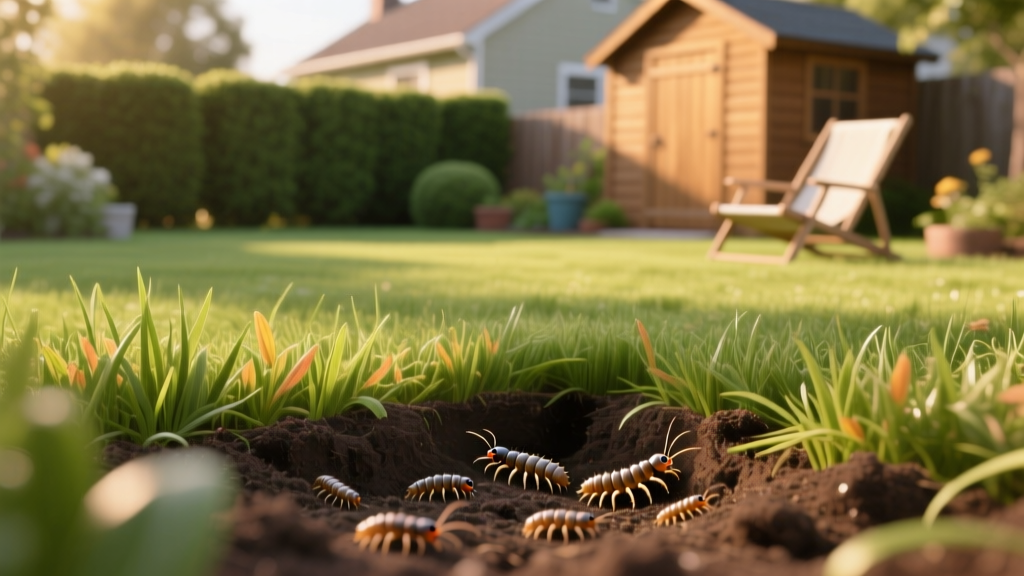
Seasonal Pest Control Schedule For Grubs And Chinch Bugs
James MillerPublished
The Financial Case for a Proactive Pest Schedule
When it comes to lawn care, reactive pest management is a losing game. By the time you notice brown patches of dead turf, the root system has often been severed, and the damage is already done. Replacing damaged sod can cost anywhere from $1.00 to $2.50 per square foot, meaning a 5,000-square-foot lawn could cost you upwards of $5,000 to repair. In contrast, a proactive, scheduled approach to pest prevention costs roughly $0.03 to $0.08 per square foot. According to the Environmental Protection Agency (EPA), Integrated Pest Management (IPM) focuses on long-term prevention through a combination of techniques, minimizing risks to people and the environment while keeping pests below economically damaging levels.
This comprehensive seasonal checklist focuses on the two most destructive turfgrass pests in North America: white grubs and chinch bugs. By aligning your treatments with their biological life cycles, you can maintain a pristine lawn without over-applying chemicals.
Understanding Your Targets: Grubs and Chinch Bugs
White grubs are the C-shaped, creamy-white larvae of scarab beetles, including Japanese beetles, June bugs, and European chafers. They live just beneath the soil surface and feed aggressively on grassroots, severing the turf from its water and nutrient supply. As noted by the University of Minnesota Extension, a healthy lawn can tolerate a few grubs, but populations exceeding 10 per square foot will cause severe, rolling brown patches that peel back like loose carpet.
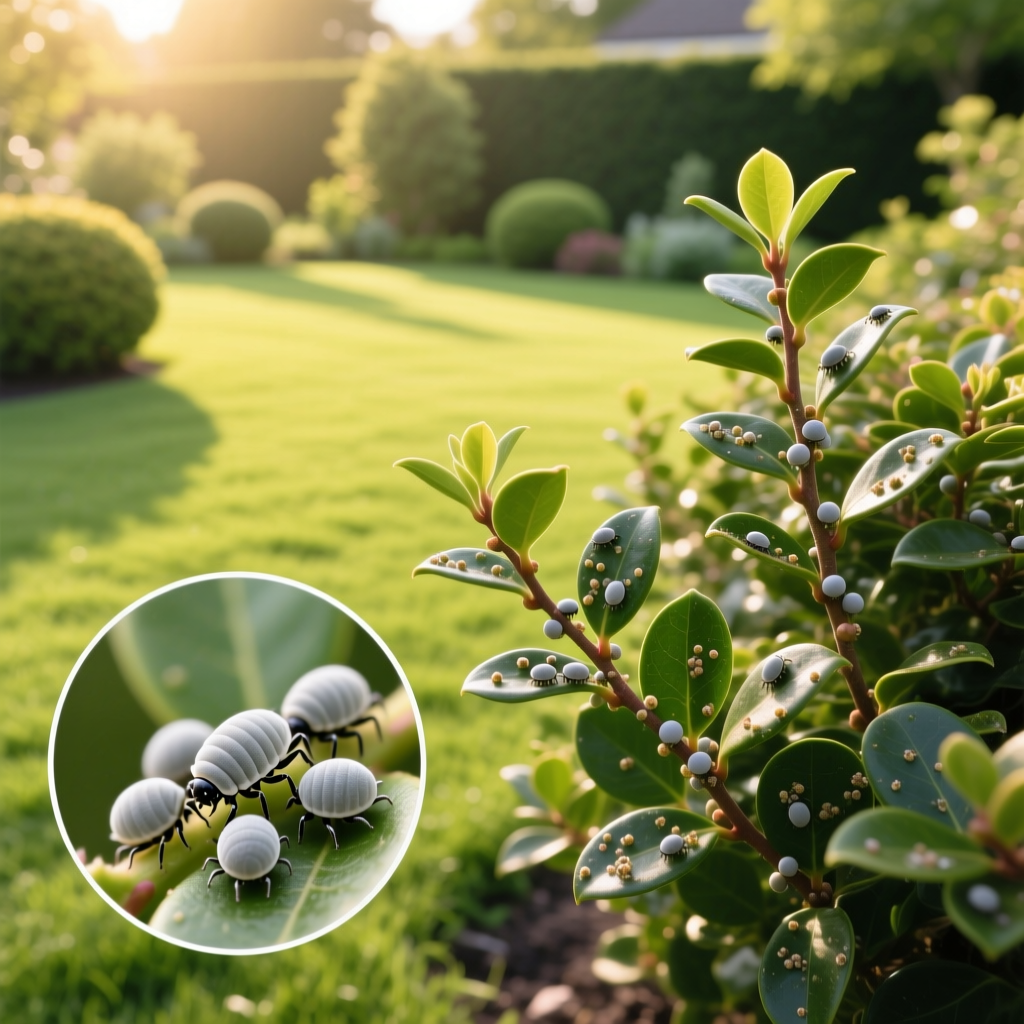
Chinch bugs, on the other hand, are surface-dwelling insects that thrive in hot, dry conditions. They use piercing-sucking mouthparts to extract sap from the crowns and stems of grass blades, injecting a toxic saliva that kills the plant tissue. They are particularly fond of St. Augustinegrass, Zoysiagrass, and Kentucky bluegrass, often striking during the peak heat of mid-summer.
Early Spring (March - April): Soil Prep and Scouting
Spring is not the time for heavy chemical applications; it is the time for cultural practices that build turf resilience and monitoring for early warning signs.
Spring Checklist:
- Soil Temperature Monitoring: Invest in a basic soil thermometer. Many pest life cycles are triggered by soil temperatures reaching 50°F to 60°F at a 2-inch depth.
- Dethatching and Aeration: Chinch bugs thrive in thick thatch layers (over 0.5 inches) where they hide from predators and moisture. Dethatch warm-season grasses as they break dormancy, and core-aerate cool-season lawns to improve soil drainage and root depth.
- Billbug Scouting: While grubs are dormant, billbugs may emerge. Look for 'frass' (sawdust-like excrement) near the base of the grass crown. If found, note it for a targeted May treatment.
- Nematode Application (Organic Option): If you prefer organic IPM, apply beneficial nematodes (Heterorhabditis bacteriophora) in late April when soil temperatures consistently stay above 55°F. Water them in immediately with at least 0.25 inches of irrigation to wash them into the root zone.
Late Spring to Early Summer (May - June): The Chinch Bug Window
As temperatures climb into the 80s, overwintering adult chinch bugs emerge to mate and lay eggs. This is your primary window for early intervention before populations explode in July.
The Soapy Water Flush Test
Do not treat for chinch bugs blindly. Use the soapy water flush test to confirm their presence and population density:
- Mix 2 tablespoons of lemon-scented liquid dish soap into 1 gallon of water.
- Mark off a 3-foot by 3-foot area at the edge of a damaged or suspicious patch of turf.
- Pour the soapy solution evenly over the area.
- Wait 5 to 10 minutes. The soap irritates the insects, forcing them to the surface.
- Count the chinch bugs. If you see more than 15 to 20 bugs per square yard, treatment is justified.
Treatment Options:
- Chemical: Bifenthrin (e.g., Talstar P) or Lambda-cyhalothrin. Apply at a rate of 0.1 to 0.15 lbs of active ingredient per acre. Cost: ~$20 per 5,000 sq ft.
- Organic: Insecticidal soaps or products containing Beauveria bassiana (a naturally occurring entomopathogenic fungus). These require thorough coverage and repeated applications every 7-10 days.
Mid-Summer (July - August): Preventative Grub Control
This is the most critical window for grub management. Adult beetles lay eggs in July, and the young grubs hatch in late July to early August. At this newly hatched stage, they are small, close to the surface, and highly susceptible to preventative insecticides.
Mid-Summer Checklist:
- Apply Preventative Grub Control: Products containing Chlorantraniliprole (e.g., Scotts GrubEx) should ideally be applied in May or June, as they take 60-90 days to fully translocate into the root zone. If you are applying in July, opt for Imidacloprid (e.g., Bayer Advanced Grub Control), which acts faster and targets the newly hatched grubs.
- Watering In: Preventative granular treatments are useless if they sit on the thatch. You must apply 0.5 inches of irrigation immediately after application to wash the active ingredient into the top 2 inches of soil where the grubs feed.
- Mowing Height: Raise your mower deck to 3.5 or 4 inches. Taller grass shades the soil, making it less attractive to egg-laying female beetles, which prefer full sun and bare soil.
Early Fall (September - October): Curative Treatments and Recovery
If you missed the preventative window, or if a neighbor's untreated lawn allowed a massive grub migration into your yard, early fall is the time for curative action. By September, grubs are large (up to 1 inch long) and eating voraciously to prepare for winter dormancy.
Fall Checklist:
- Curative Chemical Application: Use a fast-acting, short-residual insecticide like Trichlorfon (e.g., Bayer Advanced 24 Hour Grub Killer Plus / Dylox). Trichlorfon degrades quickly in the soil (often within 7-10 days), so timing is critical. Apply only when grubs are actively feeding near the surface.
- Turf Repair: After curative treatment, rake out dead thatch, aerate the damaged zones, and overseed with a resistant turfgrass blend. Kentucky bluegrass and fine fescues have deeper, more robust root systems that tolerate minor grub feeding better than perennial ryegrass.
- Limit Fall Nitrogen: Avoid heavy, quick-release nitrogen applications in early fall if grub damage is present. Rapid, succulent top-growth diverts energy away from root regeneration, stressing the recovering lawn.
Seasonal Pest Control Product and Timing Chart
| Season / Month | Target Pest | Action Type | Active Ingredient (Product Example) | Est. Cost (per 5,000 sq ft) |
|---|---|---|---|---|
| May - June | White Grubs | Preventative | Chlorantraniliprole (Scotts GrubEx) | $25.00 - $30.00 |
| June - July | Chinch Bugs | Curative / Contact | Bifenthrin (Talstar P) | $15.00 - $20.00 |
| July | White Grubs | Preventative | Imidacloprid (Bayer Advanced) | $20.00 - $25.00 |
| Aug - Sept | White Grubs | Curative / Fast-Acting | Trichlorfon (Dylox) | $35.00 - $45.00 |
| Year-Round | Grubs / Chinch Bugs | Biological / Organic | Beneficial Nematodes / B. bassiana | $30.00 - $50.00 |
Calibrating Your Spreader for Accurate Application
A common mistake in scheduled pest control is misapplying granular products. Over-applying wastes money and harms the environment, while under-applying leads to pest survival and chemical resistance. To calibrate your broadcast spreader:
- Measure a 1,000-square-foot test area (e.g., 20 ft x 50 ft) on your driveway or a tarp.
- Weigh the exact amount of product required for 1,000 sq ft based on the label instructions.
- Set your spreader to a low-to-medium setting and walk the test area at your normal, consistent pace.
- Weigh the leftover product. If you used too little, increase the spreader setting; if you used too much, decrease it. Repeat until the application rate matches the label perfectly.
Winter (November - February): Dormancy and Record Keeping
While the lawn and pests are dormant, the lawn care manager's job shifts to administration. Review your treatment logs from the past year. Did chinch bugs appear earlier than expected? Did a wet summer delay grub hatching? Adjust next year's calendar accordingly. Furthermore, clean and store your spreaders and sprayers indoors to prevent rust and chemical degradation. For more localized pest life cycle data and regional IPM strategies, consult resources like the University of California Statewide IPM Program or your local county cooperative extension office. By adhering to a strict, biologically timed schedule, you transform pest control from an expensive emergency into a routine, manageable aspect of holistic lawn care.