Pest Control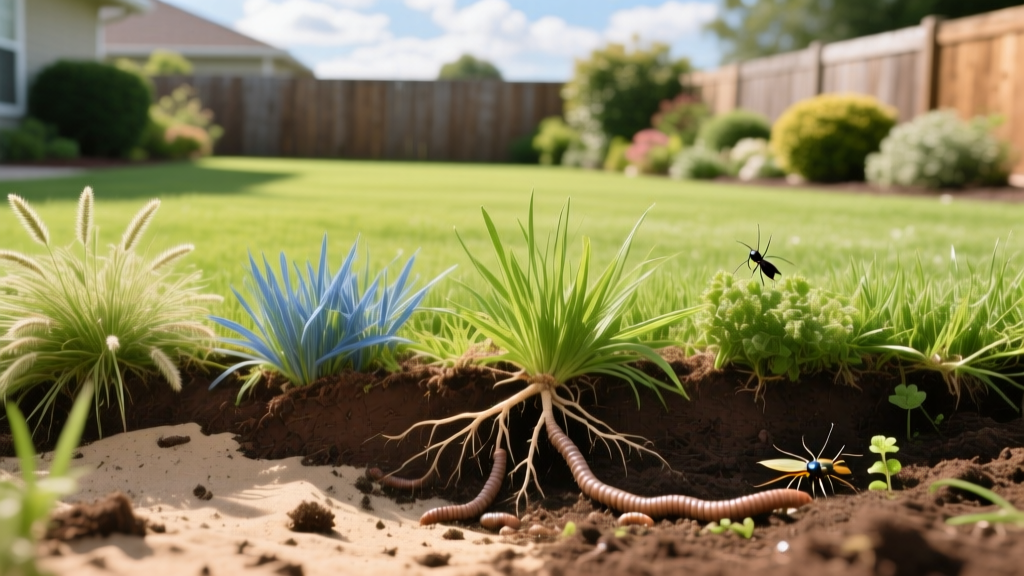
Soil and Grass Matching: The Secret to Pest-Free Lawns
Anna KowalskiPublished
The Hidden Link Between Soil, Grass, and Lawn Pests
When homeowners spot brown patches, wilting blades, or irregular dead zones in their turf, the immediate instinct is often to reach for chemical pesticides. However, as a core tenet of Integrated Pest Management (IPM), true pest control begins long before an infestation occurs. It starts beneath the surface. The foundation of a naturally pest-resistant lawn is matching the right grass species to your specific soil type. When turfgrass is planted in an incompatible soil environment, it experiences chronic abiotic stress. This stress compromises the plant's immune system, reduces its ability to produce natural defensive compounds, and physically weakens the root zone, making it an easy target for opportunistic insects.
According to the Environmental Protection Agency (EPA), IPM focuses on long-term prevention of pests or their damage by managing the ecosystem. By understanding how soil texture, drainage, and nutrient-holding capacity interact with grass species, you can eliminate the root causes of pest vulnerability and drastically reduce your reliance on reactive chemical treatments.
How Soil Types Influence Pest Vulnerability
Heavy Clay Soils and Compaction Pests
Clay soils are characterized by tiny, tightly packed particles that hold water well but suffer from severe drainage and aeration issues. When grasses that require well-drained loam (like Kentucky Bluegrass) are planted in heavy clay, their root systems remain shallow due to the lack of oxygen and physical soil hardness. Shallow-rooted turf is highly susceptible to summer drought stress, even if the soil holds moisture deep down. This surface-level stress is a primary attractant for surface-feeding insects like the chinch bug and the bluegrass billbug. Furthermore, compacted clay creates a perfect environment for turf diseases that weaken the grass, allowing secondary pests to move in and finish off the dying blades.
Sandy Soils and Drought-Stress Pests
Sandy soils consist of large particles that drain rapidly and struggle to retain water-soluble nutrients. Turfgrass planted in sandy soils without heavy organic amendment often suffers from chronic nutrient deficiency and drought stress. This specific environment is a magnet for white grubs (the larval stage of Japanese beetles and June bugs). Female beetles actively seek out warm, dry, sandy soils to lay their eggs in late summer. Additionally, sandy soils are the preferred habitat for plant-parasitic nematodes, microscopic worms that feed on grassroots, causing stunted growth and yellowing that is often misdiagnosed as fertilizer burn or drought.
The Cost of a Soil-Grass Mismatch
Planting a high-maintenance grass in the wrong soil type creates a vicious cycle of pest pressure and chemical dependency. For example, planting Fine Fescue in wet, heavy clay leads to chronic root rot and invites sod webworms, which thrive in stressed, thinning turf. Conversely, planting Tall Fescue in highly alkaline, compacted clay without proper aeration leads to iron chlorosis, weakening the grass and making it highly vulnerable to fungal gnats and secondary stem-boring insects. The financial cost of this mismatch is staggering: homeowners often spend hundreds of dollars annually on grub preventatives, fungicides, and emergency watering, only to see their lawn fail year after year.
Matching Grass Species to Soil for Natural Pest Resistance
Selecting a grass species that naturally thrives in your native soil type is the most effective cultural pest control method available. The table below outlines ideal pairings and the specific pests that invade when these grasses are placed in the wrong environment.
| Grass Species | Ideal Soil Type | Primary Pests When Mismatched | Recommended Soil Amendment |
|---|---|---|---|
| Kentucky Bluegrass | Well-drained Loam, pH 6.0-7.0 | Billbugs, Chinch Bugs, White Grubs | Core aeration + 1/4 inch compost topdressing annually |
| Tall Fescue | Adaptable, prefers deep loam | Brown Patch (fungal), Armyworms | Gypsum (50 lbs/1000 sq ft) to improve clay structure |
| Bermudagrass | Sandy Loam, pH 5.8-7.0 | Hunting Billbugs, Nematodes | Organic humus to increase water retention in pure sand |
| Fine Fescue | Sandy, well-drained, slightly acidic | Sod Webworms, Root Rot pathogens | Avoid heavy clay; use raised beds or deep sand incorporation |
| Zoysiagrass | Tolerates heavy clay and sand | Zoysia Billbug, Mole Crickets (in sand) | Annual core aeration to prevent thatch buildup and compaction |
Actionable Steps to Correct Soil-Grass Mismatches
If you suspect your lawn is suffering from a soil-grass mismatch, follow these practical, actionable steps to restore balance and naturally deter pests.
1. Conduct a Professional Soil Test
Do not guess your soil type or pH. Purchase a mail-in soil test kit from a university extension office (typically costing between $15 and $30). The test will reveal your soil texture (sand, silt, clay percentages), pH level, and organic matter content. If your pH is below 5.5 or above 7.5, essential nutrients become locked up, causing turf stress that attracts pests. Apply pelletized limestone to raise pH or elemental sulfur to lower it, following the exact poundage recommended by your lab results.
2. Transition to Endophyte-Enhanced Cultivars
If your soil is marginal for your preferred grass, overseed with endophyte-enhanced cultivars. Endophytes are beneficial, naturally occurring fungi that live inside the grass plant (particularly in Tall Fescue, Fine Fescue, and Perennial Ryegrass). According to turfgrass researchers, these fungi produce alkaloids that make the grass taste bitter and toxic to surface-feeding insects like chinch bugs, sod webworms, and billbugs. Brands like Jonathan Green Black Beauty or Scotts Turf Builder often feature endophyte-enhanced seed blends. Overseed in early fall at a rate of 6 to 8 pounds per 1,000 square feet.
3. Amend Sandy Soils to Deter Nematodes and Grubs
If you live in a sandy region and struggle with grubs, you must increase the soil's moisture-holding capacity to discourage beetle egg-laying. Apply a 1/2-inch layer of peat moss or finely screened compost across the lawn in the spring. This not only retains moisture but also encourages beneficial soil microbes and predatory fungi that naturally parasitize grub larvae. For active nematode infestations in sandy soils, apply beneficial nematodes (specifically the Steinernema carpocapsae species) in late summer when soil temperatures are between 60°F and 85°F. Mix one box (containing roughly 50 million nematodes) with water and apply via a hose-end sprayer to 2,500 square feet of turf.
4. Relieve Clay Compaction to Starve Billbugs
For heavy clay lawns plagued by billbugs and shallow-root stress, mechanical aeration is non-negotiable. Rent a walk-behind core aerator (approximately $80-$100 for a half-day rental) and pull 3-inch deep plugs across the lawn in the fall. Leave the plugs on the lawn to break down naturally. Immediately follow aeration with a heavy application of organic humic acid and a 1/4-inch topdressing of compost. This opens the soil profile, allowing grassroots to penetrate deeply, thereby accessing subsoil moisture and outgrowing the feeding zone of surface pests.
When to Intervene: Targeted Pest Control for Stressed Lawns
While correcting the soil-grass match is a long-term strategy, severe infestations require immediate intervention to save the turf. If your mismatched lawn has succumbed to a massive grub infestation, avoid broad-spectrum synthetic insecticides like imidacloprid, which can further disrupt the fragile soil food web you are trying to rebuild. Instead, use Bacillus thuringiensis (Bt) or milky spore disease (Paenibacillus popilliae) for targeted, organic grub control. Milky spore is particularly effective in sandy and loamy soils, taking 2 to 3 years to fully establish but providing up to 15 years of biological control once the spore count is sufficient.
For regional pest identification and specific treatment thresholds, the University of California Statewide IPM Program offers exceptional, science-based guidelines on determining when pest populations are high enough to warrant treatment versus when cultural soil corrections will suffice. Furthermore, selecting the right turfgrass from the start is a vital preventative measure, as extensively documented by the University of Minnesota Extension, which emphasizes that site-adapted grasses naturally outcompete weeds and resist severe insect damage.
Conclusion
Pest control in the home lawn is not merely a battle of chemicals against insects; it is a holistic exercise in agronomy. By testing your soil, understanding its physical limitations, and matching it with a grass species genetically equipped to thrive in those exact conditions, you build a living fortress. A deeply rooted, vigorously growing turfgrass plant is the most powerful pesticide available, naturally repairing minor insect damage, shading out weed seeds, and deterring the pests that prey on weakness. Invest in your soil today, and you will drastically reduce your pest control burdens for decades to come.