Pest Control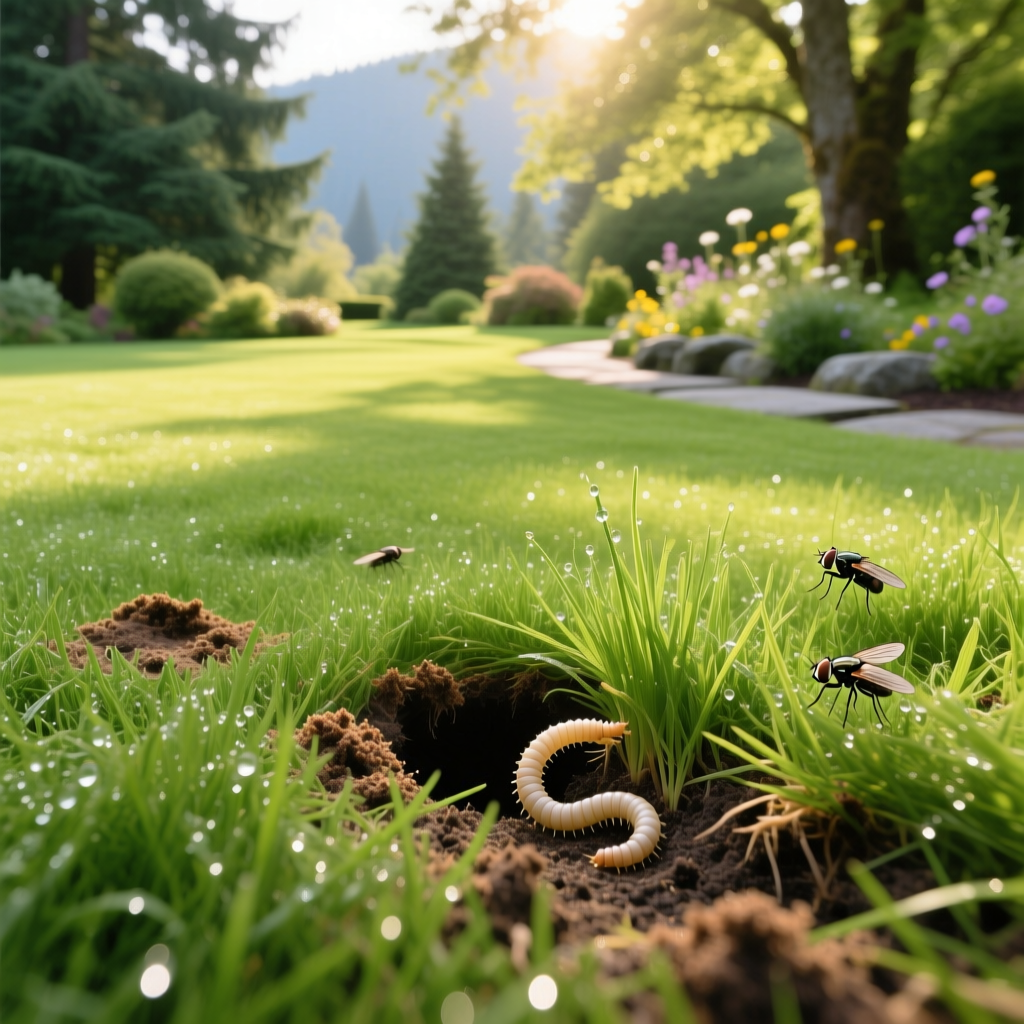
How to Spot & Eliminate Crane Fly Larvae Damage in Pacific Northwest Lawns
Mike RodriguezPublished
How to Spot & Eliminate Crane Fly Larvae Damage in Pacific Northwest Lawns
If you live in the Pacific Northwest and your lawn has developed mysterious brown patches, thinning grass, or areas that seem to peel back like loose carpet, you may be dealing with one of the region's most notorious turf pests: crane fly larvae. Often called "leatherjackets" due to their tough, leathery skin, these soil-dwelling grubs feast on grass roots and crowns, causing widespread damage that can devastate an otherwise healthy lawn in a matter of weeks.
The Pacific Northwest's cool, wet climate creates the perfect breeding ground for the European crane fly (Tipula paludosa) and its close relatives. Unlike many lawn pests that are active only during brief windows, crane fly larvae can feed on your turf from fall through spring, making early detection and targeted elimination absolutely critical for homeowners across Oregon, Washington, and British Columbia.
This comprehensive guide will walk you through everything you need to know about identifying crane fly larvae, understanding their life cycle, implementing effective prevention strategies, and deploying both DIY and professional solutions to reclaim your lawn. Whether you're dealing with a small infestation or a full-blown invasion, the strategies outlined below will help you restore your turf to its former glory.
For a broader overview of maintaining healthy turf in this region, check out our complete lawn care basics guide, which covers foundational practices that make your grass more resilient against pests of all kinds.
Identifying Crane Fly Larvae & Recognizing Lawn Damage
Before you can eliminate crane fly larvae, you need to confirm they're actually the culprit. Many lawn problems in the Pacific Northwest — from fungal diseases to drought stress — can mimic grub damage, so proper identification is the essential first step.
What Crane Fly Larvae Look Like
Crane fly larvae, commonly known as leatherjackets, are distinctly different from other lawn grubs. They typically measure between one and one-and-a-half inches long and have a cylindrical, worm-like body that ranges in color from grayish-brown to dark brown. Unlike the white, C-shaped grubs of Japanese beetles or June beetles, leatherjackets have a straight posture, no legs, and a tough, leathery exoskeleton that gives them their nickname. The rear end of the larva features distinctive star-shaped anal papillae that are a key identifying feature.
To find them, dig up a one-foot square section of damaged turf to a depth of about two to three inches. Sift through the soil and root zone carefully. If you count more than 15 to 20 larvae per square foot, you have an infestation serious enough to warrant treatment. Populations exceeding 25 to 50 per square foot can cause severe, visible damage across large sections of your lawn.
Signs of Crane Fly Larvae Damage in Your Lawn
Crane fly larvae damage manifests in several recognizable ways, particularly during late fall and early spring when larvae are actively feeding and grass growth is slow:
- Brown, irregular patches: Areas of turf turn yellow, then brown, often starting in shadier, moister sections of the lawn. These patches expand over time as larvae continue feeding.
- Thinning grass: Grass becomes sparse and weak, particularly at the crown where larvae do the most damage by chewing through stems and roots.
- Turf that lifts easily: Severely damaged grass can be pulled up like a loose carpet because the root system has been destroyed. You'll notice very little root structure remaining when you lift the sod.
- Increased bird and animal activity: Starlings, crows, robins, and raccoons may be seen tearing up your lawn as they search for the protein-rich larvae beneath the surface. This secondary damage can sometimes be worse than the larvae damage itself.
- Spongy turf texture: Walking on infested areas may feel unusually soft or spongy due to the tunneling activity beneath the surface.
It's important to distinguish crane fly damage from other common Pacific Northwest lawn issues. If you're unsure what's affecting your turf, our lawn pest identification guide can help you narrow down the possibilities before you invest time and money in the wrong treatment.
Understanding the Crane Fly Life Cycle
Effective control depends on understanding when crane flies are vulnerable. The European crane fly, the most damaging species in the Pacific Northwest, follows a predictable annual cycle:
Adult emergence (August to October): Adult crane flies — those long-legged, mosquito-like insects you see bouncing around your porch lights — emerge from the soil in late summer and early fall. They do not feed on your lawn. Their sole purpose is to mate and lay eggs.
Egg laying (September to October): Females deposit 200 to 300 eggs in the top layer of soil, preferring moist, shady areas with thick turf. The eggs hatch within about two weeks.
Early larval feeding (October to December): The young larvae begin feeding on grass roots and crowns. Damage during this period is often minimal and goes unnoticed because grass is still relatively vigorous in early fall.
Overwintering (December to February): Larvae slow their feeding during the coldest months but remain in the soil. In milder Pacific Northwest winters, they may continue feeding at a reduced rate.
Peak feeding (March to May): This is when the most severe damage occurs. As soil temperatures warm, larvae become ravenous, consuming roots and crowns at an alarming rate. Grass is also under stress from winter, making it less able to recover. Most homeowners first notice damage during this window.
Pupation (May to July): Larvae stop feeding and pupate in the soil, remaining dormant until they emerge as adults later in the summer.
Understanding this cycle is critical because treatment timing dramatically affects your success rate. Treatments applied when larvae are small and actively feeding near the surface are far more effective than those applied when larvae are large, deep, or dormant.
Prevention Strategies to Protect Your Pacific Northwest Lawn
The most effective approach to crane fly management is preventing infestations before they take hold. A healthy, well-maintained lawn is naturally more resistant to grub damage and can tolerate moderate larval populations without showing visible symptoms.
Cultural Practices That Discourage Crane Flies
Improve drainage: Crane flies thrive in moist soil conditions, which are abundant in the Pacific Northwest. Lawns with poor drainage, compacted soil, or heavy clay are particularly attractive to egg-laying females. Core aeration, performed in spring or early fall, improves water infiltration and creates less hospitable conditions for larvae. Learn more about the benefits of lawn aeration and how to do it properly.
Reduce shade and moisture: Trim overhanging branches and thin dense shrubbery to increase sunlight penetration and air circulation across your lawn. Shady, damp areas are crane fly hotspots, and even modest improvements in light exposure can make a significant difference.
Mow at the proper height: Keeping your grass at the recommended height for your turf species — typically two-and-a-half to three-and-a-half inches for the cool-season grasses common in the Pacific Northwest — promotes deeper root growth and makes your lawn more resilient to grub feeding. Our mowing best practices guide covers optimal techniques in detail.
Avoid overwatering in late summer: Adult crane flies are attracted to moist soil for egg laying. If possible, reduce irrigation in August and September to make your lawn less inviting. This is a balancing act, of course, since Pacific Northwest summers can be dry and your turf still needs adequate moisture to survive.
Encourage a thick, dense turf: Overseeding bare or thin patches in early fall creates a dense canopy that makes it harder for female crane flies to reach the soil surface to deposit eggs. A thick lawn also has a more extensive root system that can better withstand larval feeding. Read our overseeding guide for step-by-step instructions tailored to Pacific Northwest conditions.
Choosing Resistant Grass Varieties
Not all grass species are equally susceptible to crane fly damage. Perennial ryegrass and fine fescues tend to show less damage than Kentucky bluegrass in Pacific Northwest trials. If you're renovating your lawn or overseeding, consider blends specifically formulated for the region that incorporate endophyte-enhanced varieties. Endophytes are beneficial fungi that live within the grass plant and produce compounds that deter feeding by certain insects, including crane fly larvae.
Biological Prevention With Beneficial Nematodes
One of the most effective preventive tools available to Pacific Northwest homeowners is the application of beneficial nematodes, specifically Steinernema carpocapsae or Heterorhabditis bacteriophora. These microscopic worms are naturally occurring soil organisms that parasitize and kill crane fly larvae without harming beneficial insects, earthworms, pets, or people.
For preventive applications, nematodes should be applied in late September through October, shortly after eggs have hatched and while larvae are still small and near the soil surface. The soil must be moist for nematodes to move through it effectively, which is rarely a problem in the Pacific Northwest fall. Apply nematodes in the early morning or evening to avoid UV exposure, water them in immediately, and keep the soil moist for at least a week after application.
Nematodes are available from garden centers and online retailers. Look for products specifically labeled for leatherjacket or crane fly larvae control, and always check the expiration date — nematodes are living organisms and lose viability over time.
DIY Solutions to Spot Eliminate Crane Fly Larvae
When prevention measures aren't enough and you've confirmed an active infestation, it's time to deploy targeted elimination strategies. The following DIY approaches range from organic and biological controls to conventional chemical treatments, giving you options that fit your lawn care philosophy.
Spot Treatment With Beneficial Nematodes
If you've identified specific areas of damage, nematodes can be applied as a targeted spot treatment rather than a blanket application. Focus on the damaged patches and a buffer zone of two to three feet beyond the visible damage, since larvae often extend beyond the area where symptoms appear.
For spot treatments in spring (March to April), use Steinernema feltiae, which is more effective at the cooler soil temperatures typical of early spring in the Pacific Northwest. Mix the nematodes with water according to package directions and apply using a watering can or hose-end sprayer. Water the area thoroughly before and after application to help the nematodes penetrate into the root zone where larvae are feeding.
Expect to see results within one to two weeks. You can check efficacy by digging up small test sections and examining larvae — infected larvae will appear brownish-red and may have a putty-like consistency.
Manual Removal for Small Infestations
For very small areas — such as a damaged strip along a garden bed or a patch near a patio — manual removal can be surprisingly effective. Flood the affected area with soapy water (two tablespoons of dish soap per gallon of water) in the early evening. The soap irritates the larvae and drives them to the surface within 10 to 15 minutes, where you can collect and dispose of them. This method works best when larvae are near the surface in early fall or early spring.
Alternatively, you can lay a damp burlap sack or dark tarp over the damaged area overnight. Larvae will migrate to the moist, dark surface, and you can collect them in the morning. While labor-intensive, this approach is entirely chemical-free and can significantly reduce populations in small problem areas.
Applying Targeted Insecticides
When biological controls aren't sufficient or when larval populations are dangerously high, targeted insecticide applications may be necessary. The key word is targeted — blanket applications across your entire lawn are rarely needed and can harm beneficial soil organisms.
For spot treatment of active spring infestations, products containing the active ingredient carbaryl or trichlorfon can provide quick knockdown of large larvae. These are contact insecticides that work on contact and have relatively short residual activity, which minimizes their impact on the broader soil ecosystem.
Apply insecticides only to confirmed infested areas, following all label directions precisely. Water the product into the soil immediately after application, as larvae live below the surface. Avoid applying insecticides when rain is forecast within 24 hours, as runoff can carry the product into storm drains and waterways — a particularly important consideration in the environmentally sensitive Pacific Northwest.
Important timing note: Insecticides applied in spring target large, mature larvae that are harder to kill and have already caused significant damage. For the best results with chemical controls, consider preventive applications of products containing imidacloprid or chlorantraniliprole in late summer (August to September), before eggs hatch. These products have longer residual activity and are much more effective against small, young larvae.
Always read and follow the product label completely. The label is the law, and it contains critical information about application rates, safety precautions, and environmental protections. For more on responsible lawn treatment practices, visit our lawn fertilization and treatment guide.
Repairing Damaged Areas After Treatment
Once you've eliminated the larvae, the damaged areas need attention to recover. Rake out dead grass and debris, loosen the top inch of soil, and overseed with a grass blend appropriate for your lawn. Apply a thin layer of compost or topsoil over the seed, keep the area consistently moist until seedlings are established, and avoid heavy foot traffic during recovery.
Spring repairs should be done as early as possible to take advantage of the cool, moist conditions that favor cool-season grass germination. For detailed instructions, our lawn patch repair guide provides a step-by-step process for restoring damaged areas.
When to Call a Professional Pest Control Service
While many crane fly infestations can be managed with the DIY strategies described above, there are situations where professional intervention is the smartest and most cost-effective choice.
Signs You Need Professional Help
- Widespread damage across more than 30 percent of your lawn: When infestation is extensive, spot treatment is no longer practical, and a professional can apply commercial-grade products more efficiently and effectively than a homeowner using consumer-grade equipment.
- Recurring annual infestations: If you've battled crane fly larvae for two or more consecutive seasons despite your best efforts, a professional can develop a long-term integrated pest management plan that addresses the underlying conditions attracting the pests.
- Secondary damage from wildlife: When crows, raccoons, or skunks are tearing up large sections of your lawn to feed on larvae, the combined damage from pests and predators can be overwhelming. Professionals can address both the larvae and the wildlife attraction simultaneously.
- Uncertain identification: If you're not confident that crane fly larvae are the cause of your lawn damage, a professional can provide accurate diagnosis and recommend the correct treatment. Misidentification leads to wasted time, money, and unnecessary chemical applications.
- Environmental concerns: If your property is near a waterway, well, or sensitive habitat, a licensed professional will know which products are appropriate and how to apply them in compliance with local regulations.
What to Expect From a Professional Treatment
A reputable lawn pest control service will typically begin with a thorough inspection, including soil sampling to quantify larval populations. Based on their findings, they'll recommend a treatment plan that may include one or more of the following:
- Targeted application of professional-grade insecticides or biological controls
- A preventive treatment schedule timed to the crane fly life cycle
- Recommendations for cultural changes such as drainage improvements, aeration, or overseeding
- A follow-up visit to assess treatment efficacy and make adjustments if needed
Professional treatments typically cost between $100 and $300 for an average-sized lawn, depending on the severity of the infestation and the products used. While this is a meaningful investment, it's often less expensive than the cost of replacing large sections of damaged turf.
When selecting a pest control provider, look for companies that are licensed by your state's department of agriculture, carry proper insurance, and follow integrated pest management principles that prioritize targeted, environmentally responsible treatments. Ask about the specific products they plan to use, their safety profiles, and any precautions you should take for children and pets.
Integrated Pest Management: The Long-Term Approach
The most successful crane fly management programs use an integrated pest management (IPM) approach that combines multiple strategies rather than relying on a single treatment. This means pairing targeted chemical or biological controls with the cultural practices described earlier — improved drainage, proper mowing, overseeding, and soil health management — to create conditions where crane fly populations cannot establish at damaging levels.
An effective IPM program for crane flies in the Pacific Northwest might look like this:
- Late summer: Monitor for adult crane fly activity. If populations are high, apply a preventive treatment of chlorantraniliprole or beneficial nematodes.
- Fall: Aerate compacted areas, overseed thin turf, and apply nematodes as a biological control if needed.
- Winter: Monitor for signs of bird and animal digging, which indicates active larvae below the surface.
- Early spring: Assess damage levels. If larvae are present above threshold levels, apply targeted spot treatments with nematodes or insecticides.
- Late spring: Repair damaged areas with overseeding and topdressing. Focus on building turf density and health heading into summer.
This cyclical approach addresses crane flies at multiple vulnerable points in their life cycle while simultaneously strengthening your lawn's natural resilience. For a complete seasonal maintenance plan, explore our seasonal lawn care calendar designed specifically for Pacific Northwest conditions.
Frequently Asked Questions About Crane Fly Larvae in Pacific Northwest Lawns
Are crane flies harmful to humans or pets?
No. Adult crane flies are completely harmless. They cannot bite or sting, and they do not feed on anything during their brief adult lives. The larvae are also harmless to humans and pets — they feed exclusively on plant roots and organic matter in the soil. The only damage crane flies cause is to your lawn. However, if you apply chemical insecticides to control larvae, always follow label precautions regarding re-entry times for people and pets.
Why does my lawn have crane fly larvae every year?
Recurring infestations usually indicate that your lawn provides consistently favorable conditions for crane fly reproduction. Moist, shady areas with compacted soil and thick thatch layers are particularly attractive to egg-laying females. If your neighbors also have infestations, adult crane flies may be migrating from adjacent properties. Breaking the cycle requires a combination of targeted treatments and long-term cultural changes — improving drainage, reducing shade, aerating regularly, and maintaining a dense, healthy turf that can tolerate low-level larval populations without showing damage.
Can I treat crane fly larvae in winter?
Treatment during the deepest winter months (December through January in most of the Pacific Northwest) is generally not recommended. Larvae are less active, soil temperatures are low, and biological controls like nematodes are ineffective below approximately 50 degrees Fahrenheit. If you discover damage during a mild winter period when soil temperatures are above 50 degrees, a targeted application of Steinernema feltiae nematodes can provide some control. For the best results, wait until late February or March when soil temperatures begin to rise and larvae resume active feeding near the surface.
Will my lawn recover on its own after crane fly larvae damage?
It depends on the severity of the damage and the time of year. Mild to moderate damage in early spring can often recover naturally as the growing season progresses, especially if you support recovery with proper watering, fertilization, and overseeding of bare spots. However, severe damage where large patches of turf have been completely killed will not recover on its own — the dead grass must be removed and the area reseeded or resodded. The key is to eliminate the larvae first; otherwise, they will continue feeding and any new grass you plant will be destroyed as well.
Do crane fly larvae attract other pests to my lawn?
Yes, indirectly. Crane fly larvae are a high-protein food source that attracts a variety of birds — particularly starlings, crows, and robins — as well as mammals like raccoons, skunks, and moles. While these animals are beneficial in the sense that they consume some larvae, their foraging behavior often causes more visible damage than the larvae themselves. Birds peck holes in the turf, and raccoons and skunks roll back sections of sod like a carpet to access the grubs below. Managing the larval population is the most effective way to reduce this secondary wildlife damage. If you're dealing with multiple pest issues simultaneously, our pest control resource center covers a wide range of common lawn pests and their solutions.
What is the difference between crane fly larvae and grub worms?
While both are soil-dwelling larvae that feed on grass roots, they are distinctly different pests. Crane fly larvae (leatherjackets) are grayish-brown, legless, straight-bodied, and have a tough, leathery skin. They are typically one to one-and-a-half inches long. White grubs, such as Japanese beetle grubs or June beetle grubs, are white or cream-colored, C-shaped, have six legs near the head, and have a softer body. The treatment approaches for these pests overlap in some areas — nematodes, for example, can be effective against both — but timing and product selection may differ. Proper identification ensures you choose the most effective treatment strategy for the specific pest affecting your lawn.
By understanding the crane fly life cycle, implementing preventive cultural practices, and deploying targeted treatments when necessary, you can effectively manage this common Pacific Northwest lawn pest. Consistency is the key — a single season of diligent management can dramatically reduce populations, and ongoing attention will keep your lawn healthy, dense, and resilient against future infestations. For more region-specific lawn care advice, explore our full library of lawn care guides and take the guesswork out of maintaining a beautiful Pacific Northwest lawn.