Pest Control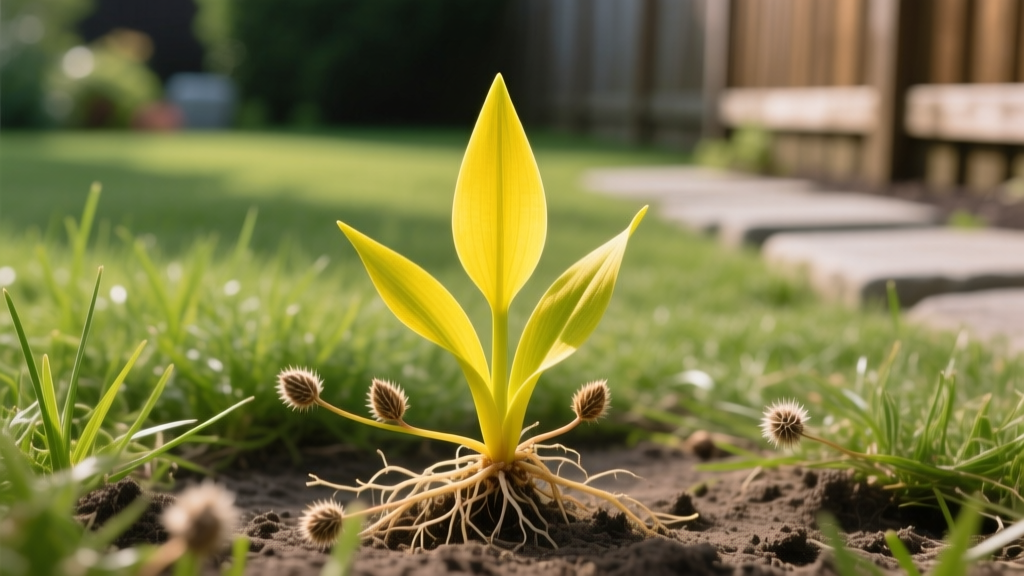
How to Identify and Eliminate Yellow Nutsedge in Your Lawn
James MillerPublished
What is Yellow Nutsedge?
Yellow nutsedge (Cyperus esculentus) is one of the most frustrating and resilient weeds that can invade your home lawn. Despite its grass-like appearance, nutsedge is not a grass or a broadleaf weed; it is a sedge. This distinction is critical because standard grass and weed killers often fail to penetrate its unique biology. Often referred to as the 'super weed' by turfgrass professionals, yellow nutsedge thrives in moist, poorly drained soils but can easily adapt to drier conditions once established.
According to turfgrass experts at Penn State Extension, a single nutsedge plant can produce hundreds of underground tubers (nutlets) in a single season, making manual removal a temporary fix at best. To win the battle against nutsedge, homeowners must adopt an Integrated Pest Management (IPM) approach that combines accurate identification, cultural practices, and targeted chemical or organic controls.
How to Identify Yellow Nutsedge
Before you can treat nutsedge, you must correctly identify it. Nutsedge grows significantly faster than regular turfgrass, often shooting up inches above your lawn just days after mowing. Here are the primary visual cues to look for:
- Stem Shape: The most reliable identification method is the stem. Grass stems are round or flat, but nutsedge stems are distinctly triangular. Remember the old adage: 'Sedges have edges.'
- Leaf Arrangement: Leaves emerge from the base in sets of three (grass leaves typically emerge in sets of two).
- Color and Texture: The leaves are a bright, yellowish-green, often appearing lighter than the surrounding turf. They are thick, stiff, and have a prominent midrib.
- Root System: If you pull a mature plant, you will find a complex underground network of rhizomes and small, round, brown tubers that resemble edible nuts.
Nutsedge vs. Crabgrass vs. Turfgrass: A Quick Comparison
| Feature | Yellow Nutsedge | Crabgrass | Standard Turfgrass |
|---|---|---|---|
| Stem Shape | Triangular (V-shaped) | Flat, branching | Round or Flat |
| Leaf Emergence | In sets of 3 | Alternate | In sets of 2 |
| Color | Yellowish-green | Light green to blue-green | Dark green (varies) |
| Growth Rate | Extremely fast (spikes after mowing) | Fast in summer heat | Moderate, steady |
| Roots/Reproduction | Rhizomes and tubers (nutlets) | Seeds and shallow roots | Seeds, rhizomes, or stolons |
Why is Nutsedge So Difficult to Control?
The true nightmare of yellow nutsedge lies beneath the soil. The plant reproduces primarily through its underground tubers, or 'nutlets.' According to research from the University of Minnesota Extension, a single plant can produce up to 1,500 tubers in one growing season. These tubers can remain dormant in the soil for several years, waiting for the right moisture and temperature conditions to sprout.
Furthermore, when you pull a nutsedge plant by hand, the rhizome usually snaps, leaving the majority of the tubers safely in the ground. In fact, the physical trauma of pulling the plant can stimulate dormant tubers to activate, resulting in two or three new plants sprouting where only one existed before.
Cultural and Preventative Control Methods
Because nutsedge thrives in wet, compacted soil, altering your lawn's environment is the first line of defense in any IPM strategy.
- Fix Drainage Issues: Regrade low spots in your yard, install French drains, or amend heavy clay soils with organic compost to improve water percolation.
- Core Aeration: Aerating your lawn annually reduces soil compaction, allowing water to reach deep turfgrass roots rather than pooling on the surface where nutsedge seeds germinate.
- Mow High: Set your mower deck to 3.5 or 4 inches. Taller grass creates a dense canopy that shades the soil, depriving nutsedge seedlings of the sunlight they need to establish.
- Deep, Infrequent Watering: Avoid daily shallow watering. Water your lawn deeply 1 to 2 times a week to encourage deep turf roots while allowing the surface to dry out between waterings, which stresses shallow-rooted nutsedge.
Chemical Control Strategies
When cultural methods are not enough, targeted herbicides are necessary. Standard broadleaf herbicides (like 2,4-D) and standard grass herbicides (like Quinclorac) are completely ineffective against sedges. You must use herbicides specifically formulated for nutsedge.
Top Herbicide Active Ingredients for Nutsedge
- Halosulfuron-methyl: Found in products like SedgeHammer, this is a systemic post-emergent herbicide. It is absorbed by the foliage and translocated down to the tubers, killing the entire plant system. It is slow-acting (taking 2-3 weeks to show results) but highly effective at preventing tuber regrowth.
- Sulfentrazone: Often found in combination products (like Blindside or Surge), sulfentrazone provides rapid 'burn-down' of the visible foliage. It is excellent for quick visual relief but may require a follow-up application to ensure the tubers are fully eradicated.
- Mesotrione: Found in Tenacity, this herbicide inhibits photosynthesis, causing the nutsedge to turn stark white before dying. It is safe for use on many cool-season grasses and can be applied at the time of seeding.
- Imazaquin: Products like Image for Nutsedge are highly effective on warm-season lawns (like Bermuda and Zoysia) but can severely damage cool-season grasses like Kentucky Bluegrass and Fescue. Always check the label for your specific turf type.
Pro Tip: Always add a non-ionic surfactant to your post-emergent nutsedge herbicide mix. Nutsedge leaves have a thick, waxy cuticle that causes water-based sprays to bead up and roll off. A surfactant breaks the surface tension, ensuring the chemical sticks to the leaf and is absorbed.
Organic and Natural Removal Options
For homeowners committed to organic lawn care, managing nutsedge requires extreme diligence. Chemical herbicides are off the table, meaning you must rely on mechanical and biological controls.
- Exhaustion Pulling: If you choose to hand-pull, you must do it every single week before the plant reaches the 5-leaf stage. At the 5-leaf stage, the plant begins forming new tubers. By continuously removing the shoots, you force the plant to expend its stored energy without allowing it to photosynthesize or reproduce. This can take years to fully exhaust the tuber bank.
- Soil Solarization: For severely infested garden beds (not active lawns), covering the moist soil with clear plastic sheeting during the hottest months of summer can 'cook' the tubers. Soil temperatures must exceed 115°F for several weeks to effectively kill the nutlets.
- Horticultural Vinegar: While 20% or 30% horticultural vinegar will burn off the top growth of nutsedge, it is a contact-only burn. It will not reach the tubers, meaning the plant will resprout within days. It is not a long-term organic solution for nutsedge.
- Sugar Applications: Some organic practitioners advocate for applying dry molasses or sugar to the soil to feed beneficial microbes that supposedly outcompete or eat weed seeds. While this improves overall soil biology, university extension offices note there is no scientific evidence that sugar specifically targets or eradicates nutsedge tubers.
Step-by-Step Nutsedge Eradication Plan
To successfully reclaim your lawn, follow this seasonal timeline:
Spring (April - May)
Focus on cultural prevention. Aerate the lawn, top-dress with compost to improve drainage, and apply a pre-emergent herbicide containing dimethenamid-P or metolachlor to suppress early nutsedge germination. Keep your mower blade sharp and set high.
Early Summer (June - July)
Monitor for the first flush of nutsedge. When plants are young (3 to 5 leaves) and actively growing, apply a post-emergent systemic herbicide like Halosulfuron-methyl. Ensure the lawn is not drought-stressed before application, as stressed plants do not translocate herbicides to their roots effectively.
Late Summer (August - September)
This is the most critical time. Nutsedge is actively sending energy down to form new tubers for the winter. A late-summer application of herbicide will be drawn directly into the tubers, killing the next generation. Do not pull by hand during this time, as breaking the stems leaves the forming tubers in the soil.
Fall (October - November)
Overseed bare patches with competitive, shade-tolerant turfgrass varieties. A thick, healthy lawn is the ultimate defense against future nutsedge invasions. Apply a fall winterizer fertilizer to strengthen turf roots.
Conclusion
Yellow nutsedge is a formidable opponent, but it is not invincible. By understanding its unique biology as a sedge, recognizing the importance of the underground tuber network, and combining proper lawn drainage with targeted systemic herbicides, you can reclaim your yard. Patience is key; because the tuber bank can take a few seasons to fully deplete, consistent monitoring and timely treatments will eventually lead to a pristine, nutsedge-free lawn.