Tree Care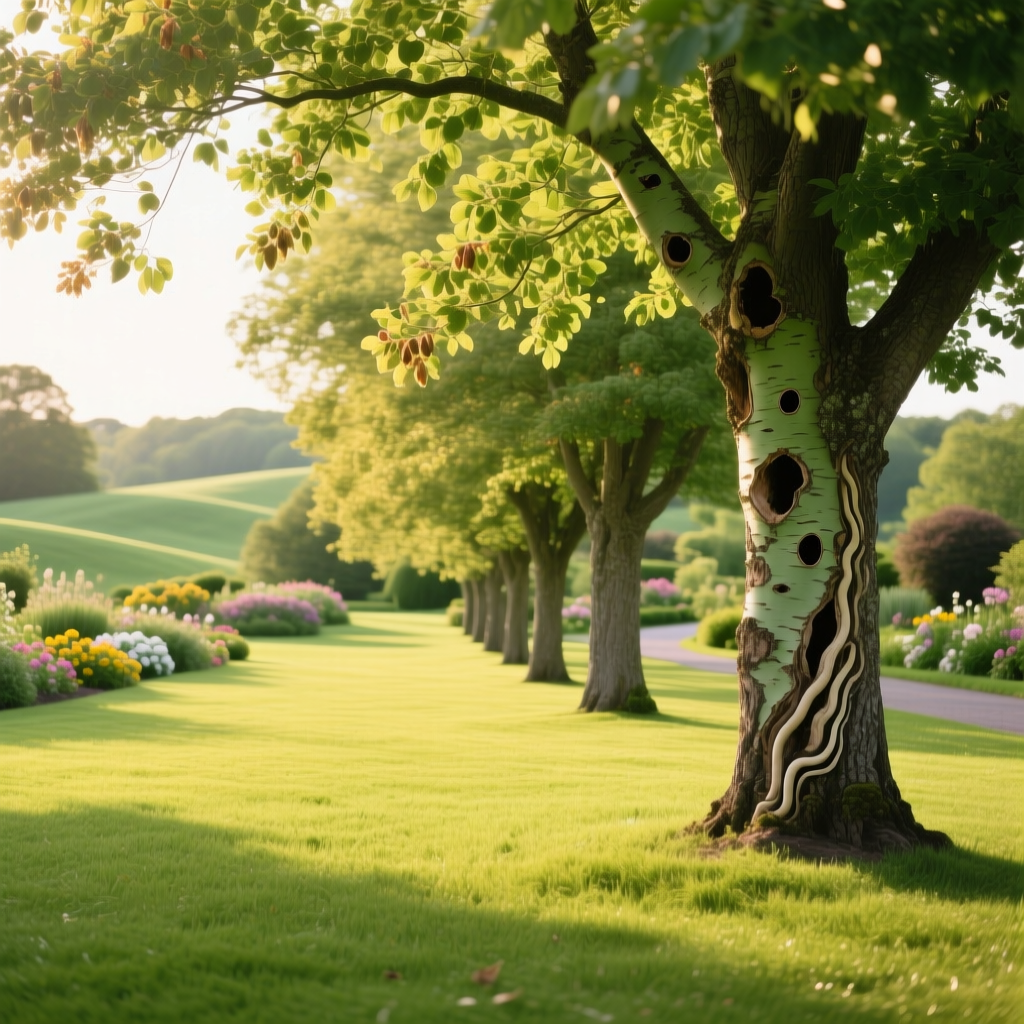
How to Identify & Treat Emerald Ash Borer in Landscape Trees
James MillerPublished
How to Identify & Treat Emerald Ash Borer in Landscape Trees
Ash trees have long been a staple of North American landscapes, prized for their symmetrical canopies, rapid growth, and brilliant fall color. However, the emerald ash borer (EAB), an invasive beetle native to Asia, has devastated ash tree populations across the continent. Since its discovery in North America, this destructive pest has killed hundreds of millions of ash trees and continues to spread into new regions every season.
For homeowners and landscape managers, early identification of emerald ash borer infestations is critical. Once a tree shows visible symptoms of decline, it may already be too late to save it. Understanding the signs of EAB damage, knowing when and how to treat affected trees, and implementing proactive management strategies can mean the difference between preserving a beloved landscape tree and losing it entirely.
This comprehensive guide walks you through everything you need to know about identifying, treating, and preventing emerald ash borer damage in your landscape ash trees. Whether you manage a single specimen in your front yard or oversee dozens of ash trees across a property, the strategies outlined here will help you make informed decisions about tree health and longevity. For more tips on maintaining a healthy outdoor environment, explore our broader tree care resources and lawn care guides.
Understanding the Emerald Ash Borer: Biology & Behavior
Before you can effectively identify and treat emerald ash borer damage, it helps to understand the insect itself. The emerald ash borer (Agrilus planipennis) is a small, metallic green beetle that typically measures between one-quarter and one-half inch in length. Despite its striking appearance, adult EAB are rarely seen by homeowners because they spend most of their time high in the tree canopy feeding on ash leaves.
Life Cycle of the Emerald Ash Borer
The EAB life cycle plays a crucial role in how infestations develop and how treatments should be timed. Adult beetles emerge from infested trees in late spring and early summer, typically between May and July depending on your region. After emerging, adults feed on ash foliage for about one to two weeks before they begin mating and laying eggs.
Females deposit their eggs in bark crevices and folds along the trunk and major branches. A single female can lay between 60 and 200 eggs over her lifetime. These eggs hatch in roughly two weeks, and the larvae immediately bore through the bark to reach the cambium layer — the vital tissue responsible for transporting water and nutrients throughout the tree.
The larvae spend one to two years feeding beneath the bark, creating distinctive S-shaped galleries that girdle the tree's vascular system. This feeding activity is what ultimately kills the tree. Once fully developed, the larvae pupate just beneath the bark, and the cycle begins anew when the next generation of adults chews its way out through characteristic D-shaped exit holes.
Why Ash Trees Are Vulnerable
North American ash species — including green ash, white ash, black ash, and blue ash — evolved without any natural defenses against the emerald ash borer. Unlike Asian ash species that co-evolved with the beetle and developed resistance mechanisms, our native ash trees are highly susceptible at every life stage. This lack of natural resistance means that without intervention, virtually all untreated ash trees in an infested area will die within three to five years of initial EAB colonization.
The beetle attacks ash trees of all sizes, from saplings to mature specimens, though larger trees with bark furrows tend to be preferred for egg-laying. Stressed trees may be colonized first, but even perfectly healthy trees are not immune. If you are considering planting new trees in your landscape, our tree planting guide offers valuable advice on species selection and diversification.
How to Identify Emerald Ash Borer Infestations
Early detection is the single most important factor in successfully treating an EAB-infested tree. Unfortunately, the earliest stages of infestation occur entirely beneath the bark, making them invisible to casual observation. By the time above-ground symptoms become apparent, the population beneath the bark may already be well established. Learning to recognize both early and advanced signs of EAB activity can help you catch infestations while treatment is still viable.
Canopy Dieback and Thinning
One of the first visible signs of emerald ash borer infestation appears in the upper canopy of the tree. Because larvae feed in the cambium layer and disrupt nutrient transport, the outermost branches and upper crown begin to show stress first. You may notice:
- Thinning foliage in the upper third of the canopy, with fewer leaves than in previous seasons
- Branch dieback starting at the top and outer edges of the crown, progressing downward over successive seasons
- Yellowing or undersized leaves that appear stunted compared to healthy ash foliage
- Epicormic sprouting — clusters of new shoots emerging from the trunk or lower branches as the tree desperately attempts to compensate for canopy loss
Canopy dieback typically begins one to three years after initial infestation. If you notice your ash tree's canopy thinning while neighboring trees remain healthy, EAB should be your primary suspect. Maintaining overall tree vigor through proper watering schedules and mulching techniques can help trees tolerate early-stage damage longer.
Bark Symptoms and D-Shaped Exit Holes
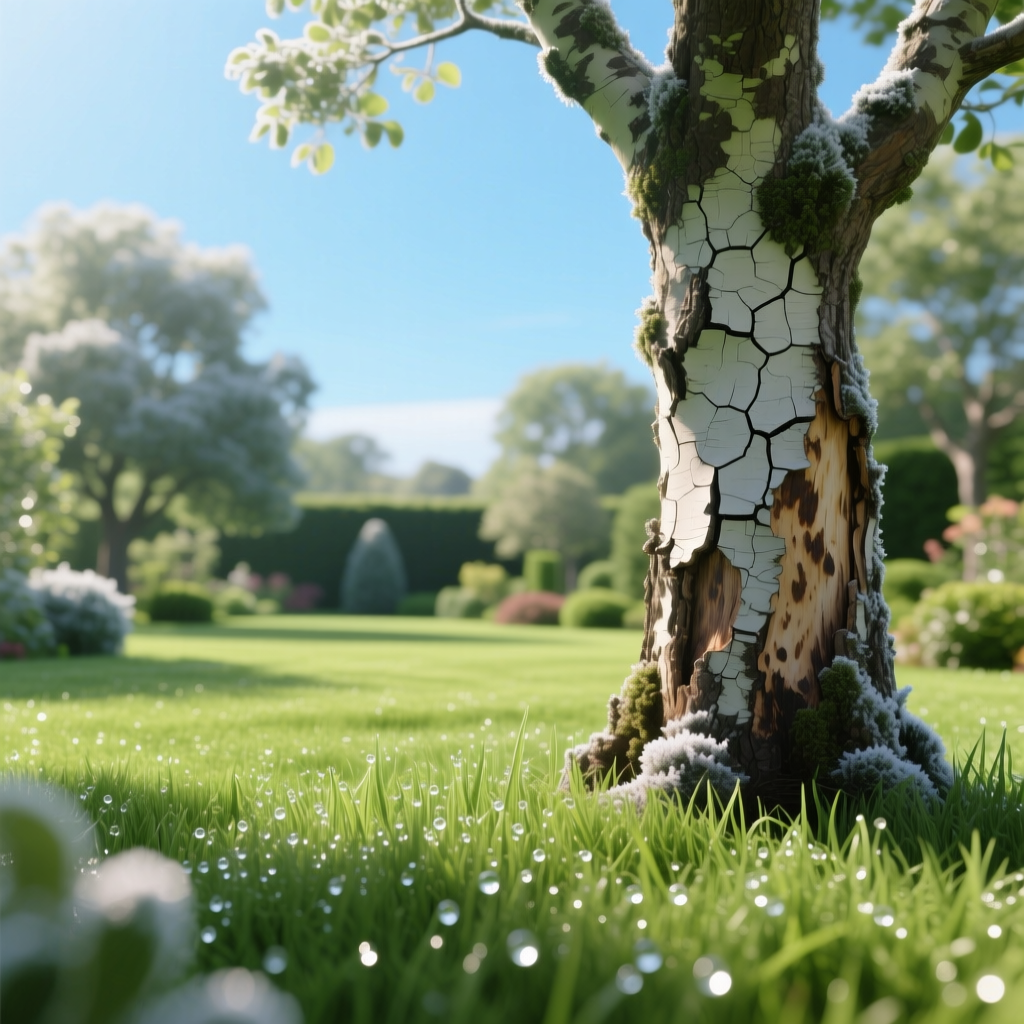
As the infestation progresses, several bark-related symptoms become apparent. The most definitive sign of EAB is the presence of D-shaped exit holes on the trunk and branches. These holes are approximately one-eighth inch wide and are perfectly flat on one side, creating a distinctive capital D shape. This is in contrast to the round exit holes created by native borers.
Woodpeckers are another excellent indicator of EAB presence. These birds feed heavily on EAB larvae beneath the bark, and their foraging activity strips away the outer bark layer in patches. This phenomenon, known as flecking, exposes lighter-colored inner bark and creates a distinctive mottled appearance on the trunk. If you notice increased woodpecker activity on your ash trees, particularly during fall and winter months, inspect the trunk carefully for signs of larval galleries beneath the loosened bark.
In advanced infestations, you may also observe:
- Vertical bark splits that expose the S-shaped larval galleries beneath
- Serpentine galleries packed with frass (sawdust-like insect waste) visible under peeled bark
- Blonde patches on the trunk where woodpeckers have removed the outer bark layer
Confirming an EAB Diagnosis
Because several other pests and environmental stressors can cause similar symptoms, confirmation is important before investing in treatment. Native borers, drought stress, root damage, and certain fungal diseases can all produce canopy dieback that mimics EAB damage. The key differentiator is the presence of D-shaped exit holes and S-shaped larval galleries packed with fine, sawdust-like frass.
If you are uncertain about your diagnosis, contact your local university extension office or a certified arborist for a professional assessment. Many regions also offer EAB trapping programs and monitoring networks that can confirm whether the beetle is active in your area. Early confirmation allows you to begin treatment before irreversible damage occurs.
Treatment Options for Emerald Ash Borer
Once you have confirmed an EAB infestation, the next step is selecting an appropriate treatment strategy. The good news is that several effective treatment options exist, and when applied correctly, they can save infested trees even after symptoms have begun to appear. The key factors influencing treatment success include the severity of the infestation, the overall health of the tree, and the consistency of ongoing treatment.
As a general rule, trees that have lost less than 50 percent of their canopy still have a reasonable chance of recovery with proper treatment. Trees with more than 50 percent canopy loss are often too damaged to save, and removal may be the safest and most cost-effective option. For guidance on evaluating tree health and making removal decisions, see our tree removal guide.
Systemic Insecticide Treatments
Systemic insecticides represent the most effective line of defense against emerald ash borer. These products are absorbed by the tree and translocated through the vascular system, where they kill larvae feeding in the cambium layer. Several active ingredients have proven effective against EAB, and they are available in different application methods:
- Emamectin benzoate — Applied via trunk injection, this is widely considered the most effective treatment for EAB. A single injection can provide protection for two to three years, making it the preferred choice for high-value landscape trees. This treatment must be applied by a licensed pesticide applicator in most jurisdictions.
- Dinotefuran — Available as a basal trunk spray or soil drench, dinotefuran moves quickly through the tree and is effective against moderate infestations. It typically requires annual application and is available to homeowners in some formulations.
- Imidacloprid — Applied as a soil drench around the base of the tree, imidacloprid is absorbed through the roots and moves upward into the trunk and canopy. It is the most accessible option for homeowners and is widely available at garden centers. However, it is most effective on smaller trees (under 20 inches in trunk diameter) and requires annual application.
- Azadirachtin — A botanical insecticide derived from neem trees, azadirachtin is applied via trunk injection and can be used as part of a rotation strategy to reduce the risk of pest resistance.
Trunk Injection vs. Soil Application
The application method you choose affects both the efficacy and the environmental impact of treatment. Trunk injection delivers the insecticide directly into the tree's vascular system, ensuring rapid uptake and minimal environmental exposure. This method is preferred for larger trees and areas near water sources or pollinator habitats. The injection process creates small wounds in the trunk, but these typically compartmentalize quickly in healthy trees.
Soil drench applications are simpler and do not require specialized equipment, making them popular for DIY treatment. However, they have some limitations. The insecticide must travel from the roots to the canopy, which can take several weeks. Soil conditions, root health, and rainfall can all affect uptake. Additionally, soil-applied insecticides carry a higher risk of impacting non-target organisms, including beneficial soil insects and pollinators. If you maintain pollinator-friendly areas in your landscape, review our organic lawn care practices to ensure compatibility with your treatment plan.
Treatment Timing and Frequency
Timing is critical for maximizing treatment effectiveness. Systemic insecticides should be applied in spring, ideally between April and June, before adult EAB begin emerging and laying eggs. This allows the tree time to absorb and distribute the insecticide throughout its vascular system before larvae begin feeding.
Soil drench applications should be made slightly earlier — in early to mid-spring — to allow adequate time for root uptake. Trunk injections can be performed from late spring through early summer and still provide effective protection for the current season.
Regardless of the product you choose, consistency is essential. EAB treatment is not a one-time application. Trees in infested areas must be treated on an ongoing schedule — every one to three years depending on the product — for as long as EAB populations remain active in the region. Missing a treatment cycle can allow populations to rebound quickly, undoing years of progress.
When to Consider Tree Removal Instead
Not every ash tree can or should be saved. Treatment decisions should weigh the tree's current condition, its value to the landscape, and the long-term cost of ongoing treatment. Consider removal when:
- The tree has lost more than 50 percent of its canopy
- Extensive bark splitting and larval galleries indicate a severe, long-standing infestation
- The tree poses a safety hazard due to dead or weakened branches
- The tree is in poor health due to other factors such as root damage, disease, or structural defects
- The cost of ongoing treatment exceeds the tree's aesthetic or functional value
If removal is necessary, have the work performed by a certified arborist who can safely dismantle the tree and properly dispose of the infested wood. EAB larvae can survive in cut wood for up to two years, so chipping or burning infested material is recommended to prevent further spread. For tips on what to plant after removal, consult our shade tree selection guide.
Prevention Strategies & Landscape Management
While treatment can save individual trees, a broader prevention and management strategy is essential for protecting your entire landscape. Proactive measures can slow the spread of EAB, reduce treatment costs, and ensure your property remains shaded and beautiful even if some ash trees are lost.
Diversify Your Tree Species
The single most important long-term strategy for EAB management is species diversification. Landscapes dominated by ash trees are extremely vulnerable — when EAB arrives, the loss is catastrophic. Aim for a diverse canopy where no single species represents more than 10 to 15 percent of your total tree population. Excellent replacement species for ash include:
- Hackberry (Celtis occidentalis) — Tolerant of urban conditions with a similar form to ash
- Kentucky coffeetree (Gymnocladus dioicus) — A native species with bold texture and excellent adaptability
- Ginkgo (Ginkgo biloba) — A resilient, pest-resistant species with stunning fall color
- Swamp white oak (Quercus bicolor) — A long-lived native oak that provides excellent shade and wildlife habitat
- Miyabe maple (Acer miyabei) — A lesser-known maple with excellent form and adaptability
Planting a diverse mix of species not only protects against EAB but also builds resilience against future pest outbreaks, diseases, and climate challenges. Our seasonal tree care checklist can help you establish a year-round maintenance routine for your diverse landscape.
Prevent the Spread of EAB
Human activity is a primary driver of EAB spread. The beetles can fly up to several miles on their own, but they spread far more rapidly when infested firewood, logs, or nursery stock is transported by people. To help prevent the spread of EAB:
- Never move firewood from infested areas to uninfested areas — buy firewood locally wherever you go
- Inspect nursery stock carefully before purchasing ash trees, and avoid buying ash species from nurseries in quarantined zones
- Report suspected EAB sightings to your state department of agriculture or university extension office
- Properly dispose of infested wood by chipping it to less than one-inch pieces or burning it on-site
Biological Control Efforts
Researchers have released several species of tiny, stingless parasitic wasps in EAB-infested regions. These wasps, native to Asia, are natural enemies of EAB and lay their eggs in EAB eggs or larvae, killing them before they can damage trees. While biological control will not eliminate EAB entirely, it is helping to reduce populations over time and may eventually bring the beetle into balance with the environment.
These parasitic wasps are harmless to humans, pets, and other insects, and they represent an important component of long-term, area-wide EAB management. Homeowners cannot purchase or release these wasps directly, but supporting biological control programs through local and state agencies contributes to the broader effort.
Maintain Overall Tree Health
Healthy trees are better equipped to tolerate pest pressure and respond to treatment. Maintain your ash trees' vigor through consistent cultural care:
- Water deeply during dry periods, providing at least one inch of water per week during the growing season
- Mulch properly — apply a two- to four-inch layer of organic mulch around the root zone, keeping it away from the trunk to prevent rot
- Avoid soil compaction around the root zone by limiting heavy equipment and foot traffic near the tree's drip line
- Prune dead or damaged branches during the dormant season to reduce stress and improve air circulation
- Fertilize based on soil tests rather than on a fixed schedule to avoid over-fertilization, which can attract pests
For more information on keeping your trees healthy year-round, visit our guide on common tree diseases and prevention.
Seasonal Tips for Managing EAB in Your Landscape
Emerald ash borer management is a year-round commitment. Different seasons call for different actions, and staying on top of seasonal tasks ensures that your treatment program remains effective and your trees receive the care they need throughout the year.
Spring: Treatment & Monitoring
Spring is the most critical season for EAB management. This is when systemic insecticides should be applied, ideally before adult beetles begin emerging in late spring. Monitor your ash trees closely as leaves emerge — delayed or sparse leaf-out can be an early sign of infestation. If you have not yet had your trees assessed, spring is the ideal time to contact a certified arborist for an evaluation.
Spring is also an excellent time to plant replacement trees, giving them a full growing season to establish roots before winter. Our spring lawn care tips can help you coordinate tree planting with your broader landscape maintenance schedule.
Summer: Observation & Documentation
During summer, observe your ash trees for signs of canopy thinning, branch dieback, and woodpecker activity. Take photographs of your trees each summer to create a visual record that can help you track changes over time. If you applied soil drench treatments in spring, monitor for any signs of phytotoxicity or unexpected stress symptoms.
Summer is also when adult EAB are most active. While adults are difficult to spot in the canopy, you may occasionally find them on leaves or bark. Capturing a specimen and submitting it to your local extension office can help confirm EAB presence in new areas.
Fall & Winter: Assessment & Planning
Fall and winter provide an excellent opportunity to assess your ash trees without the canopy obscuring your view. Once leaves drop, you can clearly see branch structure, bark damage, and woodpecker flecking. Use this time to:
- Evaluate canopy loss and overall tree condition
- Mark trees that need treatment, removal, or replacement in the coming spring
- Obtain quotes from certified arborists for treatment or removal work
- Order replacement trees from nurseries for spring planting
- Review and update your landscape management plan
Winter dormancy is also the safest time to prune ash trees, as fresh wounds are less likely to attract pests during cold months. However, avoid heavy pruning of ash trees in EAB-infested areas, as excessive pruning stress can make trees more vulnerable to infestation. For detailed pruning guidance, see our comprehensive pruning guide.
Frequently Asked Questions
Can an ash tree recover after being infested with emerald ash borer?
Yes, ash trees can recover from EAB infestation if treatment begins early enough. Trees that have lost less than 30 to 50 percent of their canopy generally respond well to systemic insecticide treatment and can regain vigor over the following two to three seasons. Trees with more severe canopy loss may not recover, as the extensive damage to the vascular system limits the tree's ability to transport water, nutrients, and the insecticide itself. The key takeaway is that early detection and prompt treatment dramatically improve the odds of saving your tree.
How much does it cost to treat an ash tree for emerald ash borer?
Treatment costs vary based on tree size, the product used, and whether you hire a professional or apply the treatment yourself. Soil drench applications with imidacloprid are the most affordable option, typically costing between $20 and $50 per tree per year for homeowner-applied products. Professional trunk injection treatments with emamectin benzoate generally range from $150 to $400 per tree, depending on trunk diameter, but provide protection for two to three years. When comparing costs, consider the value of the tree to your property — mature shade trees can add thousands of dollars in property value and provide significant energy savings through cooling. Investing in treatment is often far less expensive than removal and replacement.
Do I need to treat my ash tree every year?
The treatment frequency depends on the product you use. Soil-applied imidacloprid and dinotefuran products typically require annual application. Trunk-injected emamectin benzoate provides protection for two to three years per application. Regardless of the product, you must continue treating your ash trees on schedule for as long as EAB populations remain active in your area. Stopping treatment allows re-infestation, and the beetle population can rebuild quickly. Think of EAB treatment as an ongoing investment in your landscape, similar to routine lawn fertilization or irrigation system maintenance.
Are there any ash tree species that are resistant to emerald ash borer?
No North American ash species are fully resistant to EAB, but there are differences in susceptibility. Blue ash (Fraxinus quadrangulata) shows somewhat greater tolerance than other native species, likely due to the high tannin content in its bark. Asian ash species, such as Manchurian ash (Fraxinus mandshurica), have co-evolved with the beetle and display significant resistance. Researchers are actively breeding and selecting for EAB-resistant ash varieties, and several promising cultivars are in development. Additionally, some researchers are working to cross North American and Asian ash species to combine desirable landscape traits with natural resistance. Until resistant varieties become widely available, treatment remains the best option for preserving existing ash trees.
Should I remove my ash tree before it gets infested?
Preemptive removal is generally not recommended for healthy ash trees in areas where EAB has not yet been detected. However, if your tree is already in poor health, has structural defects, or is located in an area where treatment access is difficult, proactive removal may be a practical choice. In regions with confirmed EAB activity, the decision comes down to economics and aesthetics: if the tree is valuable to your landscape and you are willing to commit to ongoing treatment, saving it is usually worthwhile. If the tree is in decline or you prefer to avoid the long-term cost of treatment, removal and replacement with a diverse mix of species is a sound strategy. For help evaluating your specific situation, consult a certified arborist and explore our guide to hiring a certified arborist.
Protecting your ash trees from emerald ash borer requires vigilance, knowledge, and commitment. By learning to recognize the signs of infestation early, selecting the right treatment approach, and maintaining a diverse and healthy landscape, you can preserve your trees for years to come. For more expert advice on tree health, lawn maintenance, and landscape management, browse the full collection of guides at LawnsGuide.com.