Tree Care
The Ultimate Seasonal Tree Care Checklist for Homeowners
Anna KowalskiPublished
Integrating Tree Care into Your Lawn Maintenance Schedule
When homeowners think about lawn care schedules, they often focus exclusively on turfgrass: mowing heights, aeration timelines, and pre-emergent herbicide applications. However, the trees in your landscape share the same soil, water, and sunlight resources as your lawn. Neglecting tree health while obsessing over grass can lead to declining canopies, root competition issues, and costly tree removals. A comprehensive landscape management plan must integrate tree care directly into your seasonal lawn care checklists.
Trees are long-term investments. While a lawn can be renovated in a single season, a mature shade tree takes decades to establish. According to the Morton Arboretum, proactive, seasonal maintenance is the most effective way to prevent structural failures, pest infestations, and environmental stress. By aligning your tree care tasks with your existing lawn care routines, you save time, reduce water waste, and create a cohesive, thriving ecosystem in your yard.
This guide provides a detailed, season-by-season checklist tailored for homeowners who want to maintain pristine lawns and robust trees simultaneously. We will cover specific watering metrics, pruning techniques, mulching depths, and fertilization schedules, complete with estimated costs and time commitments.
Spring Tree Care Checklist (March - May)
Spring is the season of awakening. As soil temperatures rise above 50°F, both your lawn and your trees break dormancy. This is a critical window for inspection, soil preparation, and early pest prevention.
1. Conduct a Thorough Health Inspection
Before the canopy fully leafs out, inspect the trunk and primary branches for winter damage. Look for frost cracks, sunscald, and broken limbs. Check the root flare—the area where the trunk meets the soil—to ensure it has not been buried by winter soil heaving or excessive mulch from previous years.
2. Refresh Mulch Rings
Turfgrass and tree roots are fierce competitors. To protect your trees from string trimmers and conserve moisture, maintain a dedicated mulch ring.
- Size: Extend the mulch ring at least 3 feet from the trunk in all directions. For larger trees, extend to the drip line if space permits.
- Depth: Apply 2 to 4 inches of organic hardwood mulch. Never exceed 4 inches, as this suffocates roots.
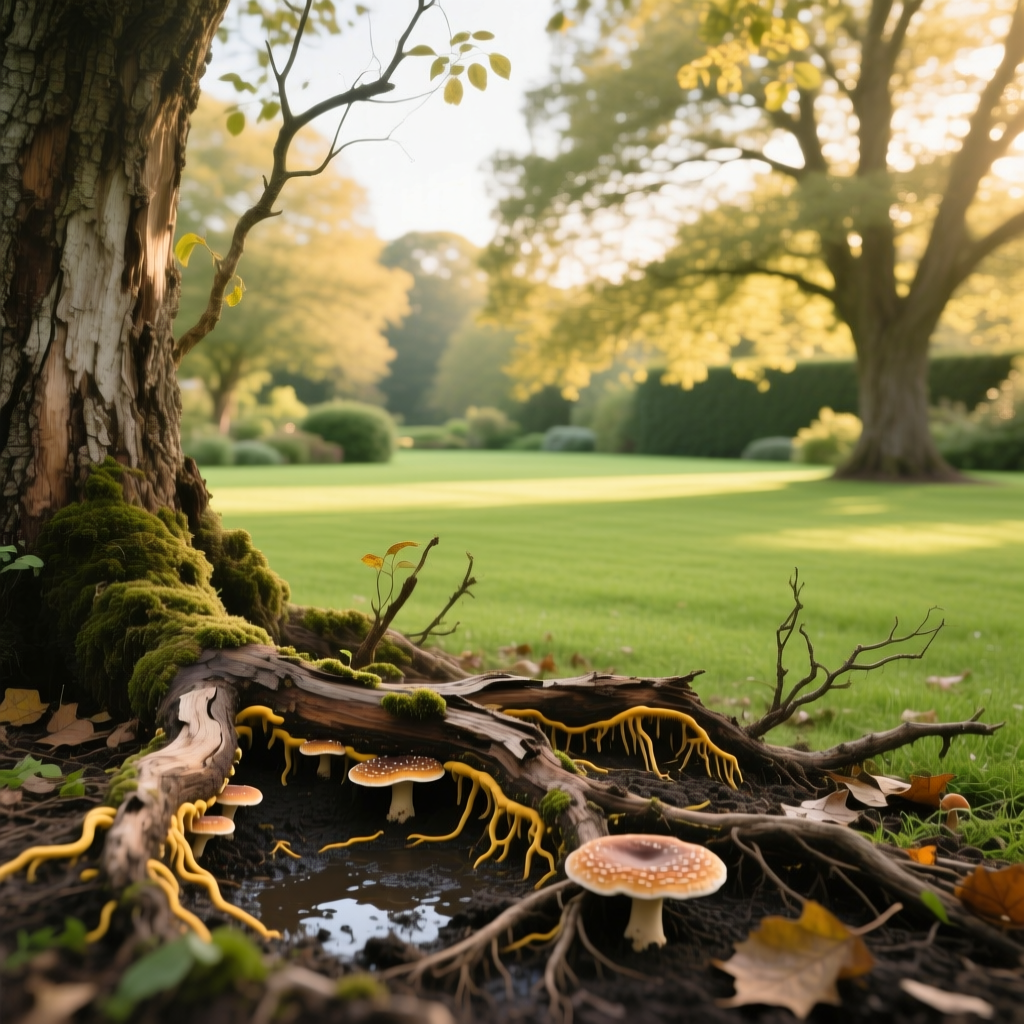
- Placement: Keep mulch at least 3 inches away from the actual tree trunk to prevent "volcano mulching," which invites fungal rot and rodent damage.
3. Early Spring Pruning
While major structural pruning is best left for winter, spring is the time to remove dead, diseased, or damaged wood that became apparent after winter storms. Always use sterilized, sharp bypass pruners to make clean cuts just outside the branch collar. For detailed pruning techniques, the University of Minnesota Extension provides excellent guidelines on making proper pruning cuts that promote rapid compartmentalization and wound closure.
Summer Tree Care Checklist (June - August)
Summer brings heat stress, drought conditions, and peak pest activity. While your lawn might be pushing you to water frequently and shallowly, trees require a completely different irrigation strategy.
1. Deep, Infrequent Watering
The most common mistake homeowners make is assuming that running the lawn sprinkler for 20 minutes three times a week is sufficient for trees. Lawn irrigation rarely penetrates deep enough to reach the tree's absorbing roots, which reside in the top 12 to 18 inches of soil. According to watering guidelines published by the University of Minnesota Extension, trees require slow, deep watering to thrive during summer droughts.
The 10-Gallon Rule: A general metric for young to semi-mature trees is to provide 10 gallons of water per week for every inch of trunk caliper (measured at knee height).
- Newly Planted Trees (1-2 inch caliper): 10-20 gallons per week, applied slowly over 2-3 hours using a drip bag or soaker hose.
- Established Trees (3-5 inch caliper): 30-50 gallons per week during extended dry spells.
2. Pest and Disease Monitoring
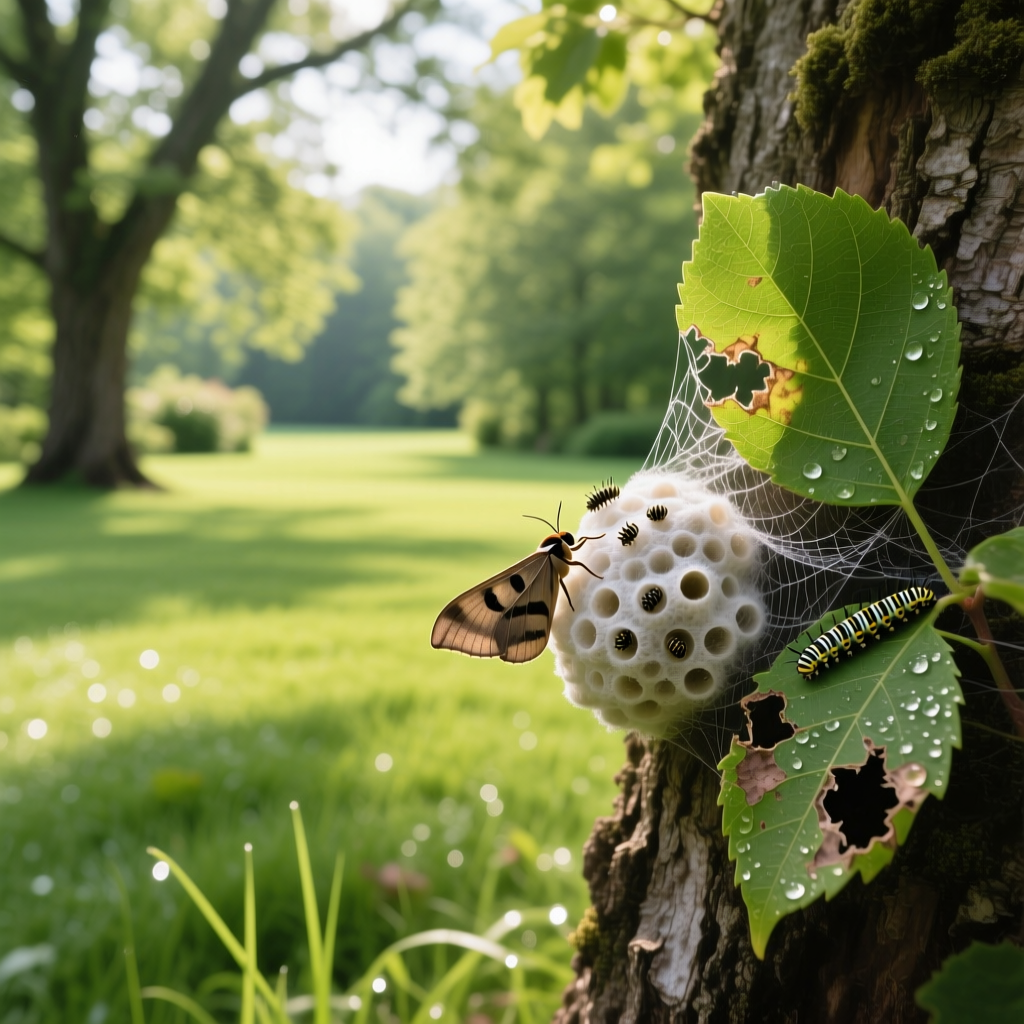
Summer is prime time for defoliators and borers. Inspect the undersides of leaves for aphids, Japanese beetles, and tent caterpillars. Look for D-shaped exit holes in the bark of ash trees, which indicate Emerald Ash Borer activity. If you spot localized pest issues, consider targeted treatments like horticultural oils or systemic insecticides, but avoid broad-spectrum sprays that harm beneficial pollinators visiting your lawn and garden beds.
Fall Tree Care Checklist (September - November)
Autumn is arguably the most important season for tree establishment and root growth. While the canopy slows its production, the roots are actively expanding to store energy for the following spring.
1. Fall Planting and Transplanting
The period between late September and early November is the ideal window for planting new trees. The soil is still warm enough to encourage root growth, but the air is cool enough to reduce transpiration stress. When planting, ensure the root flare is level with or slightly above the surrounding grade. Never plant a tree deeper than it was in its nursery container.
2. Late Fall Fertilization
If your lawn fertilization schedule includes heavy nitrogen applications in early fall, be cautious. Excessive nitrogen can force late-season flushes of tender tree growth that will be killed by early frosts. Instead, wait until the trees have dropped their leaves and entered dormancy (usually late October or November). Apply a slow-release, low-nitrogen fertilizer (such as a 10-10-10 or 8-2-4 blend) directly into the soil beneath the drip line. Pro Tip: Spend $20 to $30 on a professional soil test through your local university extension office before applying any fertilizers to ensure you are addressing actual nutrient deficiencies.
3. Pre-Winter Hydration
Evergreens and newly planted deciduous trees are highly susceptible to winter desiccation. Give all trees a deep, thorough watering in late November before the ground freezes solid. This ensures the root zone is fully hydrated, preventing the tree from drying out when harsh winter winds strip moisture from the needles and branches.
Winter Tree Care Checklist (December - February)
Winter dormancy provides a unique opportunity to perform major structural work on your trees without causing undue stress or inviting disease pathogens that are active in warmer months.
1. Dormant Structural Pruning
With the leaves gone, the architectural structure of the tree is fully visible. Winter is the absolute best time to prune oak trees (to prevent the spread of Oak Wilt, which is transmitted by beetles active in spring) and fruit trees. Remove crossing branches, water sprouts, and co-dominant leaders (V-shaped crotches that are prone to splitting).
2. Trunk Protection
Young trees with thin bark (such as maples, crabapples, and honeylocusts) are vulnerable to frost cracking and damage from foraging rodents like voles and rabbits. Wrap the lower 24 to 36 inches of the trunk with a plastic tree guard or commercial tree wrap. Remember to remove the wrap in early spring to prevent trapping moisture and creating a habitat for bark-boring insects.
Seasonal Tree Care Quick-Reference Schedule
Use the table below to integrate tree tasks directly into your monthly lawn care calendar.
| Season | Primary Focus | Key Action | Target Metric / Rule | Estimated Cost |
|---|---|---|---|---|
| Spring | Inspection & Mulch | Refresh mulch rings and inspect root flares | 2-4 inches deep, 3-foot minimum radius | $30 - $45 (Mulch) |
| Summer | Irrigation & Pests | Deep watering and pest scouting | 10 gallons per inch of trunk caliper | $15 - $25 (Drip bags) |
| Fall | Planting & Soil | Plant new trees and conduct soil tests | Root flare at or slightly above grade | $20 - $30 (Soil test) |
| Winter | Structural Pruning | Dormant pruning and trunk wrapping | Cut just outside the branch collar | $10 - $20 (Tree guards) |
Common Lawn and Tree Scheduling Conflicts to Avoid
"A healthy landscape is a balanced ecosystem. Treating your lawn and trees as separate entities often leads to chemical and cultural conflicts that harm both."
One of the most frequent conflicts arises from weed-and-feed products. Many broadleaf herbicides used to kill dandelions and clover in lawns contain chemicals that can be absorbed by the shallow feeder roots of trees, leading to severe canopy dieback and leaf distortion. Always check the label of any lawn chemical to ensure it is safe for use within the drip line of your trees.
Another conflict is aeration. While core aeration is fantastic for relieving soil compaction in turfgrass, doing it aggressively beneath a mature tree can sever vital absorbing roots. If your lawn extends beneath a tree canopy, use shallow aeration or switch to liquid aeration products in those specific zones to protect the tree's critical root zone.
Conclusion
Mastering your landscape requires looking beyond the grass. By adopting this seasonal tree care checklist, you ensure that your trees receive the specialized attention they need exactly when they need it. From deep summer watering to dormant winter pruning, integrating these tasks into your broader lawn care schedule will result in a safer, more beautiful, and highly resilient property for decades to come.