Tree Care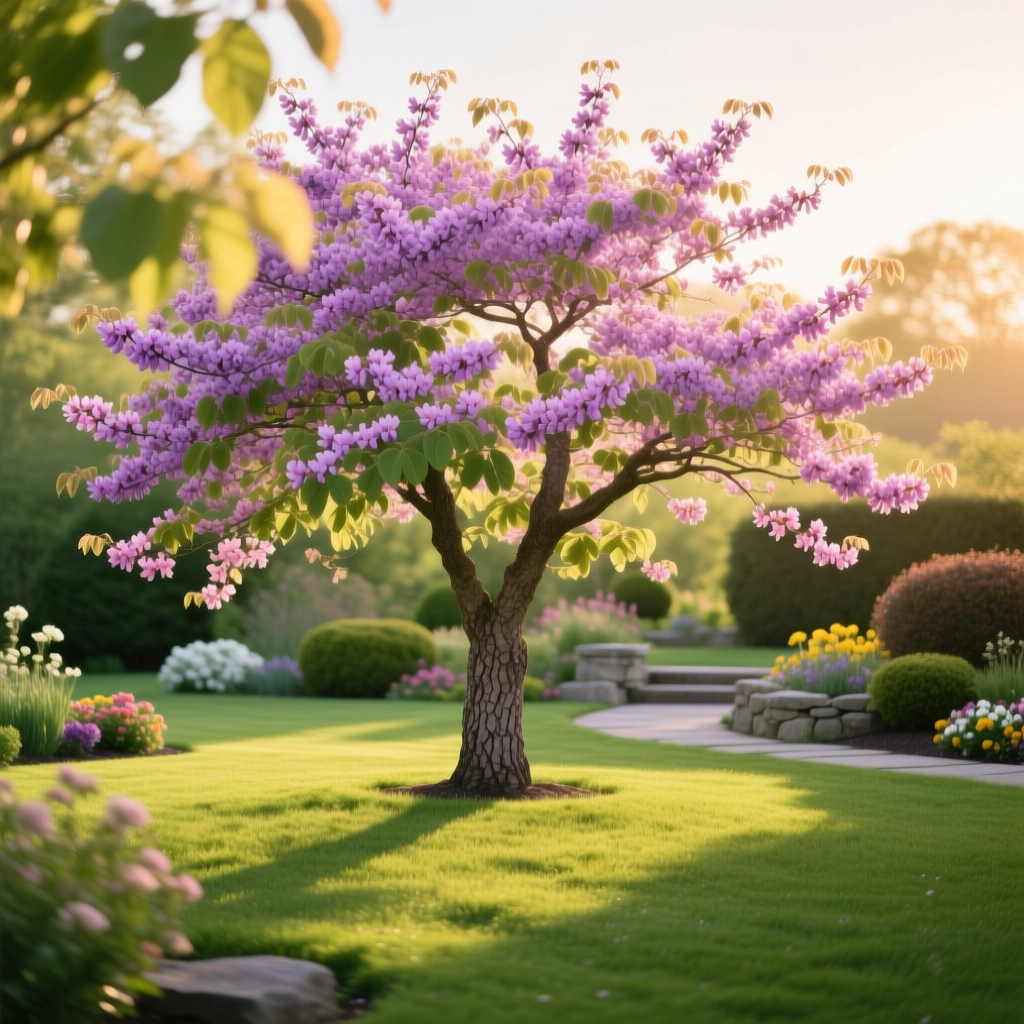
The Ultimate Redbud Tree Guide: Planting, Care, & Maintenance
David ParkPublished
The redbud tree (Cercis) is one of the most beloved ornamental trees in North American landscapes. Famous for its breathtaking, vibrant pink and purple spring blooms that erupt directly from the bark before the leaves even emerge, the redbud is a harbinger of spring and a stunning focal point for any yard. Whether you are integrating a new specimen into your existing landscape or looking to improve the health of an established tree, understanding the specific needs of this species is crucial for long-term success.
While redbuds are relatively low-maintenance compared to some demanding ornamental species, they do require specific site conditions, proper pruning techniques, and proactive disease management to thrive. In this comprehensive guide, we will explore everything you need to know about planting, nurturing, and protecting your redbud tree. For those looking to integrate their tree care with broader landscape management, be sure to explore our lawn care basics to ensure your turf and trees coexist harmoniously.
Understanding the Redbud Tree: Varieties & Characteristics
Before digging a hole, it is essential to understand the different types of redbud trees available and how they fit into your specific climate and landscape design. The genus Cercis encompasses several species and countless cultivars, each with unique growth habits, foliage colors, and environmental tolerances.
The Eastern Redbud (Cercis canadensis)
The Eastern Redbud is the most common and widely planted variety in the United States. Native to the eastern and central regions of North America, it thrives in USDA hardiness zones 4 through 9. It typically reaches a mature height of 20 to 30 feet with a slightly wider spread, featuring a broad, flat-topped or rounded canopy. The classic Eastern Redbud produces brilliant magenta-pink flowers in early spring, followed by distinctive heart-shaped, medium-green leaves that turn a pleasant yellow in the fall.
The Western Redbud (Cercis occidentalis)
For gardeners in drier, more arid climates, the Western Redbud is an excellent choice. Native to California and the Southwest, this variety is more drought-tolerant and heat-resistant than its Eastern cousin. It generally stays smaller, maturing at 10 to 20 feet, and often grows as a multi-trunked large shrub or small tree. The foliage is more rounded, and the magenta flowers are equally spectacular.
The Chinese Redbud (Cercis chinensis)
The Chinese Redbud is known for its slightly larger, glossier leaves and intensely colored, rosy-purple flowers. It tends to grow a bit taller and more upright than the Eastern Redbud. A popular dwarf cultivar, 'Avondale', is perfect for smaller gardens or patio plantings, reaching only 10 feet in height while producing an abundance of blooms.
Popular Cultivars for Landscape Design
Beyond the straight species, horticulturists have developed stunning cultivars that offer year-round interest. 'Forest Pansy' is famous for its deep burgundy, heart-shaped leaves that provide striking contrast against green lawns and other shade trees. 'Hearts of Gold' features brilliant golden-yellow foliage that holds up well in the summer sun. 'Merlot' offers a compact, dense growth habit with dark purple leaves and bright pink flowers, making it an ideal specimen tree for modern landscape designs.
Planting & Care Requirements for Thriving Redbuds
The foundation of a healthy, long-lived redbud tree is established on the day it is planted. Redbuds are notoriously sensitive to transplant shock and poor drainage, making site selection and planting technique absolutely critical.
Site Selection & Sunlight
Redbuds are naturally understory trees, meaning they evolved to grow on the edges of forests beneath the dappled shade of larger canopy trees. In a residential landscape, they perform best in full sun to partial shade. In cooler northern climates, a full-sun location will encourage the most prolific spring blooming. In hotter southern regions, providing afternoon shade will protect the delicate foliage from scorching and reduce summer drought stress.
Soil Conditions & Drainage
Well-draining soil is non-negotiable for redbud trees. They are highly susceptible to root rot if left sitting in heavy, waterlogged clay. They prefer a slightly acidic to neutral soil pH, ideally between 6.0 and 7.0. Before planting, it is highly recommended to conduct a soil analysis. Utilizing a professional soil testing guide will help you determine your exact pH and nutrient levels, allowing you to amend the soil appropriately before the tree goes into the ground. If you have heavy clay soil, consider planting the tree slightly elevated on a berm or mound to ensure excess water drains away from the root crown.
Proper Planting Technique
When planting your redbud, dig a hole that is two to three times as wide as the root ball, but no deeper. The root flare—the point where the trunk widens at the base and the roots begin to spread—must be level with or slightly above the surrounding grade. Planting a tree too deeply is one of the most common causes of premature tree death. Backfill the hole with the native soil you removed, avoiding the temptation to add heavy amounts of rich potting soil or compost to the planting hole, as this can create a "bathtub" effect that traps water. Water deeply immediately after planting to eliminate air pockets.
Watering & Mulching
During the first two years, consistent moisture is vital for establishing a robust root system. Water deeply once or twice a week, depending on rainfall, ensuring the top 12 inches of soil remain moist but not soggy. Apply a 2-to-3-inch layer of organic mulch, such as shredded hardwood or pine bark, in a wide ring around the tree. Crucially, keep the mulch pulled back at least 3 inches from the trunk itself to prevent bark rot and deter rodent damage. Proper mulching also helps retain soil moisture and regulates soil temperature, reducing the need for frequent lawn and landscape watering.
Fertilization Strategies
Redbuds generally do not require heavy fertilization, especially if they are planted in a lawn that receives regular nutrient applications. In fact, excessive nitrogen can promote weak, rapid vegetative growth at the expense of flower production and disease resistance. If a soil test indicates a deficiency, apply a balanced, slow-release, organic fertilizer in early spring just before the tree breaks dormancy. Be cautious with standard lawn fertilization products, as high-nitrogen weed-and-feed formulas can harm the shallow feeder roots of your redbud.
Pruning Techniques for Optimal Health & Structure
Redbuds naturally develop a graceful, multi-branched, and somewhat irregular canopy. While they do not require heavy pruning, strategic trimming is necessary to develop a strong structure, improve air circulation, and remove damaged wood.
When to Prune
The ideal time to prune a redbud tree is in late winter or very early spring, just before the tree breaks dormancy but after the threat of severe freezing weather has passed. Pruning during dormancy allows you to clearly see the branch structure without leaves obscuring your view. Avoid pruning in late summer or early fall, as this can stimulate new growth that will not have time to harden off before winter, leading to frost damage. If you need to remove dead, diseased, or broken branches, this can and should be done at any time of the year.
Developing a Strong Structure
Young redbuds often produce multiple competing leaders or branches with narrow, weak crotch angles. These narrow angles are prone to splitting under the weight of snow, ice, or heavy winds. When the tree is young, select a central leader or establish a strong, open-vase structure with well-spaced scaffold branches. Remove any branches that cross, rub against one another, or grow inward toward the center of the canopy. By maintaining an open center, you allow sunlight and air to penetrate the canopy, which significantly reduces the humidity levels that foster fungal diseases.
Sanitation & Tool Care
Always use sharp, high-quality bypass pruners for small branches and a pruning saw for limbs larger than two inches in diameter. Before making any cuts, especially if you are removing diseased wood, sterilize your tools with a solution of 10% bleach or 70% rubbing alcohol. This simple step prevents the accidental transmission of devastating pathogens like canker or verticillium wilt from one branch to another, or from one tree to the next. For more detailed advice on maintaining your entire landscape, visit our tree care hub.
Common Pests & Diseases Affecting Redbud Trees
While redbuds are resilient, they are susceptible to a few specific pathogens and pests, particularly when the tree is stressed by drought, poor drainage, or physical damage. Proactive monitoring and proper cultural care are your best defenses.
Botryosphaeria Canker
Canker is arguably the most serious and common disease affecting redbud trees. Caused by the Botryosphaeria fungus, this disease typically attacks trees that are already stressed by drought or extreme heat. Symptoms include sunken, discolored, and cracked areas on the bark of branches and trunks. As the canker girdles the branch, the foliage beyond the infection site will suddenly wilt, turn brown, and die. There is no chemical cure for canker. Management relies entirely on pruning out infected branches well below the visible canker margin, sterilizing tools between every cut, and keeping the tree vigorously watered during dry periods to prevent stress.
Verticillium Wilt
Verticillium wilt is a soil-borne fungal disease that enters through the root system and blocks the tree's vascular tissue, preventing water and nutrients from reaching the canopy. Symptoms often appear on one side of the tree, with branches exhibiting sudden wilting, yellowing, and leaf drop. If you suspect verticillium wilt, peel back the bark on an affected branch; you will likely see dark, olive-green or brown streaking in the sapwood. Like canker, there is no chemical cure. Severely infected trees may need to be removed. Prevent this disease by ensuring excellent soil drainage and avoiding planting redbuds in areas where previous susceptible plants (like tomatoes, potatoes, or maples) have suffered from wilt.
Fungal Leaf Spots & Anthracnose
During wet, humid springs, redbuds may develop leaf spots or anthracnose, characterized by irregular brown or black blotches on the foliage. While unsightly, these foliar diseases are rarely fatal to a healthy, established tree. Rake up and destroy fallen leaves in the autumn to remove overwintering fungal spores. Ensure your pruning promotes good air circulation to help the canopy dry quickly after rain.
Scale Insects & Leafhoppers
Scale insects appear as small, immobile, brown or white bumps on the twigs and branches. They feed on the tree's sap, weakening the plant and excreting a sticky substance called honeydew, which promotes the growth of black sooty mold. For minor infestations, scrub the branches with a soft brush and soapy water. For severe cases, apply horticultural oil during the tree's dormant season to smother the overwintering pests. Leafhoppers can also cause "hopperburn," where the edges of the leaves turn brown and crispy. Maintaining a healthy, unstressed tree is the best way to deter these sap-sucking insects.
Seasonal Maintenance Tips for Year-Round Beauty
Caring for a redbud tree is a year-round endeavor. Adapting your maintenance routine to the changing seasons will ensure your tree remains vibrant and structurally sound.
Spring: Blooms & Awakening
Spring is the redbud's time to shine. As the flowers fade and the heart-shaped leaves emerge, monitor the tree for any signs of winter damage or early pest activity. This is the time to apply a light layer of compost or slow-release fertilizer if your soil test indicates a need. Refresh your mulch layer to prepare the root zone for the upcoming summer heat, ensuring it remains a few inches away from the trunk.
Summer: Drought Management
Summer is the most stressful season for redbuds, particularly in regions with high heat and low rainfall. Redbuds have relatively shallow root systems and will quickly show signs of drought stress by drooping or scorching at the leaf margins. Implement a strict deep-watering schedule during dry spells. Avoid overhead watering, which wets the foliage and encourages fungal diseases; instead, use a soaker hose or drip irrigation at the base of the tree.
Autumn: Foliage & Cleanup
In the fall, redbud leaves turn a lovely, soft yellow before dropping. While the fall color is beautiful, it is vital to rake up and remove the fallen leaves, especially if the tree suffered from leaf spot diseases or anthracnose during the summer. Removing the leaf litter breaks the life cycle of overwintering fungal spores. Autumn is also an excellent time to evaluate the tree's structure as the leaves thin out, planning any major corrective pruning for the late winter.
Winter: Dormancy & Protection
During winter, the redbud is fully dormant. This is the optimal window for structural pruning. Additionally, the bare branches reveal the tree's beautiful, dark, twisting architecture, which provides excellent winter interest. If you live in an area with heavy snow loads, gently brush heavy, wet snow off the horizontal branches to prevent them from snapping under the weight. Protect the lower trunk from rodent damage by ensuring mulch is pulled back and, if necessary, installing a physical tree guard.
Frequently Asked Questions About Redbud Trees
How fast do redbud trees grow?
Redbud trees are considered moderate growers. Under optimal conditions, with adequate sunlight, well-draining soil, and consistent moisture, a young redbud can grow 1 to 2 feet per year. However, as the tree matures and reaches its canopy spread, the vertical growth rate will naturally slow down. They typically reach their mature height of 20 to 30 feet within 10 to 15 years.
Do redbud trees have invasive roots?
No, redbud trees do not have aggressive or invasive root systems. Their roots tend to grow deep and spread outwards in search of moisture, but they are not known for cracking sidewalks, damaging foundations, or invading underground plumbing. This makes them an excellent choice for planting near patios, driveways, and residential structures, provided they are given enough above-ground space for their mature canopy spread.
Why is my redbud tree not blooming?
If your redbud is failing to produce its signature spring flowers, several factors could be at play. First, the tree may be too young; redbuds typically take 3 to 5 years to establish and begin blooming heavily. Second, improper pruning can remove the flower buds, which form on year-old wood during the previous summer. Avoid pruning in late summer or fall. Third, excessive nitrogen fertilizer—often from heavy lawn feeding—can cause the tree to produce lush green leaves at the expense of flowers. Finally, a late spring frost can kill the delicate flower buds just before they open.
How long do redbud trees live?
The lifespan of a redbud tree is relatively short compared to large shade trees like oaks or maples. Under ideal conditions, a redbud will live for 20 to 30 years. However, in urban landscapes where they face soil compaction, drought stress, and diseases like canker, their lifespan may be closer to 15 to 20 years. Providing excellent cultural care, proper watering, and proactive disease management can help your tree reach the upper end of its natural lifespan.
Can I plant a redbud tree in my lawn without damaging the grass?
Yes, you can plant a redbud in your lawn, but you must manage the competition for water and nutrients. The dense canopy of a mature redbud will cast significant shade, which may thin out sun-loving turfgrass beneath it. To protect both the tree and the lawn, maintain a wide, mulched ring around the base of the tree. This prevents lawn mowers and string trimmers from damaging the tree's thin bark—a common entry point for canker disease—and reduces root competition. For tips on managing grass in shaded areas, consult our guide on growing grass in the shade.
By understanding the unique characteristics, environmental preferences, and potential vulnerabilities of the redbud tree, you can ensure that this spectacular native species remains a vibrant, healthy, and blooming centerpiece in your landscape for decades to come.